

Image Works Landscaping Services for West Springfield Virginia

At Image Works Landscaping, we recognize that a well-maintained landscape is not only an extension of your home or business but also a vital component that adds tangible value and curb appeal to any property.
Image Works Landscaping Services for Burke Virginia

Burke Virginia Lawn Care Service
Image Works Landscaping Services for the George Mason Virginia Community
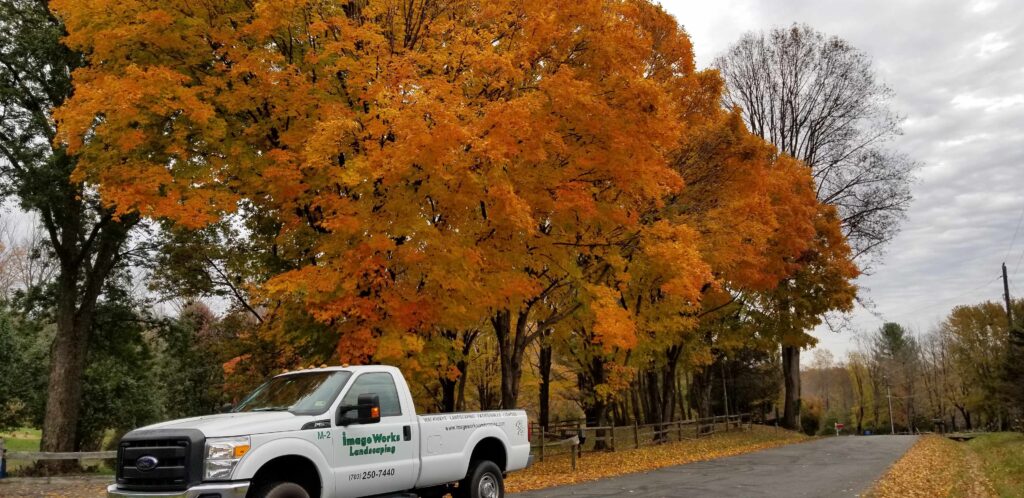
Image Works Landscaping Services for the George Mason Virginia Community Maintaining the perfect landscape in George Mason, Virginia, requires expertise, dedication, and a tailored approach. Image Works Landscaping offers a comprehensive suite of services to ensure your community remains pristine all year round. From lawn care to snow management, we are committed to enhancing the […]
Image Works Landscaping Services for Clifton Virginia
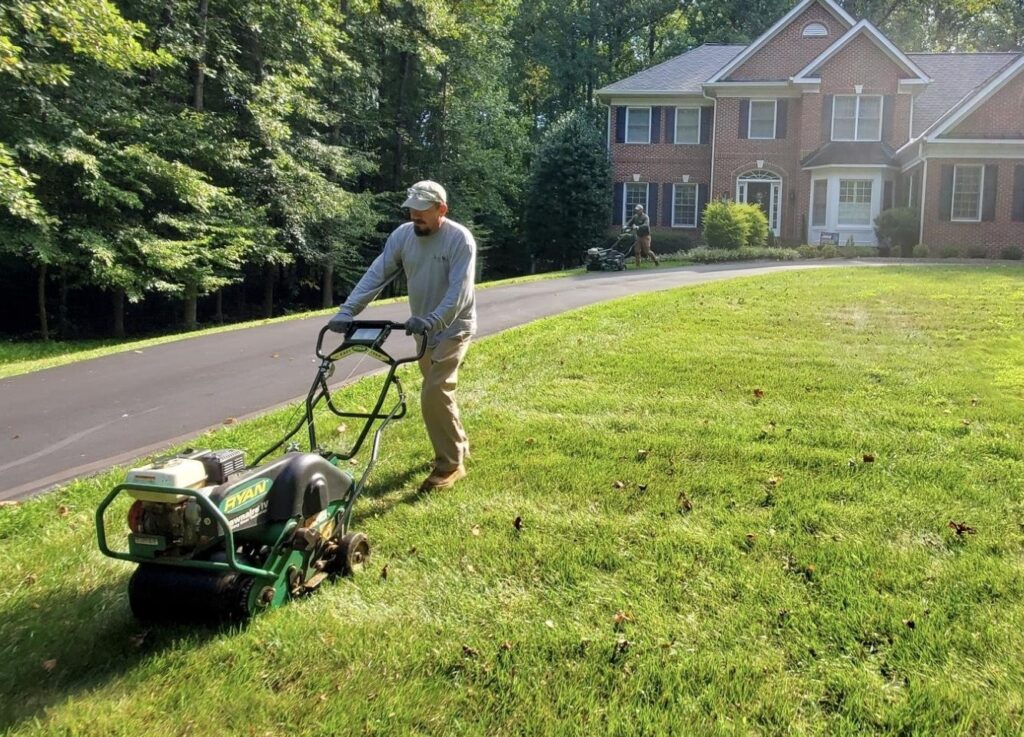
Image Works Landscaping Services for Clifton Virginia When it comes to maintaining the beauty and function of your outdoor spaces in Clifton, Virginia, Image Works Landscaping is your go-to service provider. With a wealth of experience and a comprehensive suite of services, we ensure that your landscaping needs are met all year round. Whether […]
Image Works Landscaping Services for North Springfield Virginia
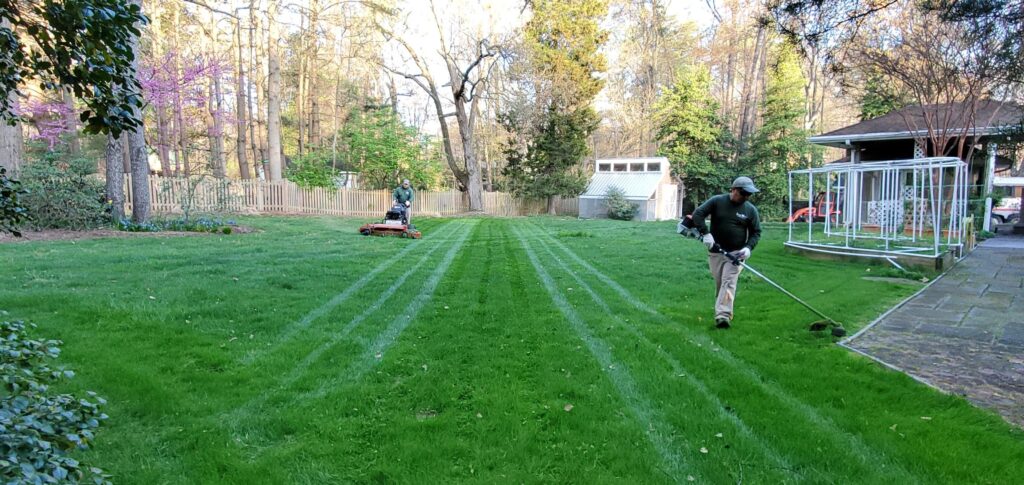
Image Works Landscaping Services for North Springfield Virginia When it comes to maintaining a beautiful and thriving landscape in North Springfield, Virginia, Image Works Landscaping stands out as the premier choice. Our comprehensive landscaping services are tailored to meet the diverse needs of homeowners and communities, ensuring that your outdoor spaces remain pristine and inviting […]
Benefits of Grass Aeration and Seeding
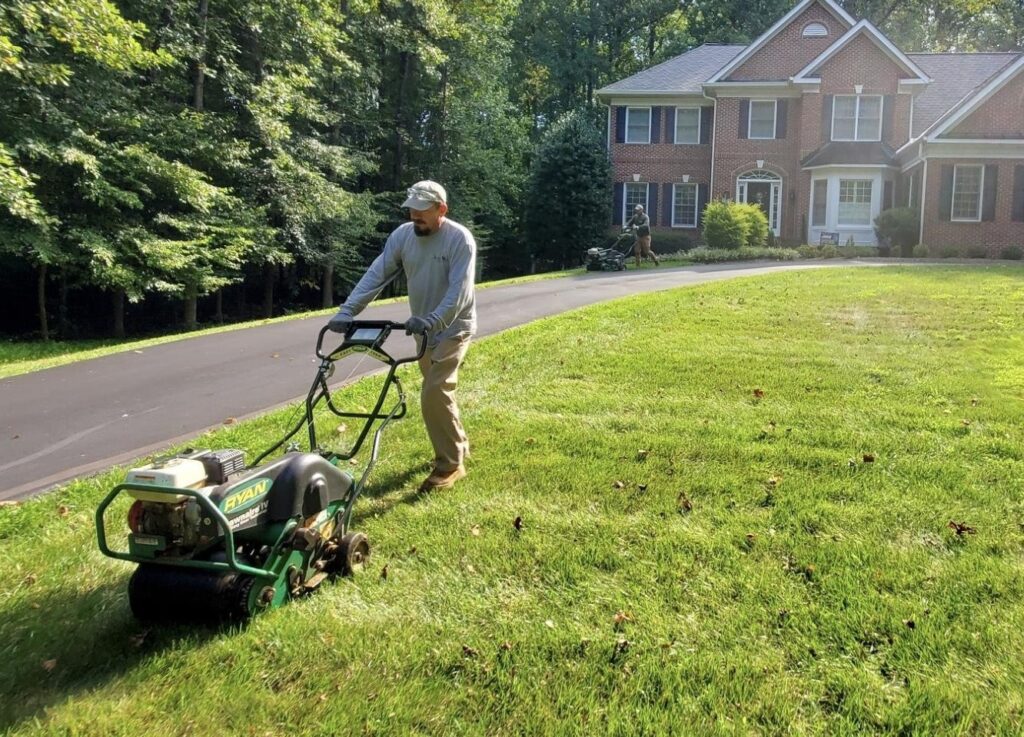
Benefits of Grass Aeration and Seeding Ensuring a lush, green lawn takes more than just regular mowing and watering. For optimal growth and health, your grass needs aeration and seeding. But what exactly are these processes, and why are they beneficial for your lawn? This comprehensive guide will take you through the benefits of grass aeration and over-seeding, explaining how these practices can transform your lawn into the envy of the neighborhood. Lawn aeration involves perforating the soil with small holes to allow air, water, and nutrients to penetrate the grassroots. This process helps the roots grow deeply, producing a stronger and more vigorous lawn. Aeration can be particularly beneficial for lawns with heavy foot traffic, thatch buildup, or clay-heavy soil, which often results in compacted soil. Benefits of Aeration 1. Improved Air Exchange: Aeration significantly improves the air exchange between the soil and the atmosphere, which is vital for root health and growth. 2. Enhanced Water Uptake: With aeration, water can more easily reach the roots, reducing runoff and ensuring your grass gets the hydration it needs. 3. Better Nutrient Absorption: Aeration helps fertilizers and other nutrients penetrate deeper into the soil, making them more accessible to your grass. 4. Reduced Soil Compaction: Over time, soil can become compacted, restricting root growth and diminishing lawn health. Aeration alleviates this compaction. 5. Decreased Thatch Buildup: Thatch, a layer of dead grass and roots, can block water and nutrients. Aeration breaks up this layer, improving overall lawn health. What Is Lawn Seeding? Seeding involves spreading grass seed over your lawn to fill in bare spots, improve density, or introduce new grass varieties. It’s often combined with aeration to ensure the seeds make good contact with the soil. Benefits of Seeding 1. Improved Lawn Density: Seeding helps fill in bare or thin areas, resulting in a fuller, more lush lawn. 2. Enhanced Grass Variety: By overseeding, you can introduce new, resilient grass types that can better withstand diseases and weather changes. 3. Repair and Recovery: Seeding is an excellent way to repair damage from drought, insects, or diseases, promoting faster recovery. When and How to Aerate Your Lawn Timing Your Aeration The best time to aerate your lawn is during its peak growing season when it can heal and fill in any open areas after soil plugs are removed. For cool-season grasses, this is typically early spring or fall. For warm-season grasses, late spring to early summer is ideal. Aeration Methods There are several methods of aeration, including: Spike Aeration: This involves using a tool to poke holes into the ground. While it relieves some compaction, it doesn’t remove soil, which can cause further compaction around the holes. Core Aeration: This is the most effective method, using a machine to remove plugs of soil from the lawn, thus relieving compaction and improving soil structure. Preparing for Aeration Mow Your Lawn: Should you mow before aeration? Yes, mow your lawn slightly shorter than usual to ensure the aerator can penetrate the soil effectively. Water Your Lawn: Should you water before aeration? Yes, water the lawn thoroughly a day or two before aeration to soften the soil, making the process easier and more effective. When and How to Seed Your Lawn Timing Your Seeding Seeding is most effective when combined with aeration, as the seeds can easily reach the soil and establish roots. The timing depends on your grass type: Cool-Season Grasses: Seed in early fall or spring. Warm-Season Grasses: Seed in late spring to early summer. Seeding Strategies Overseeding: Spread grass seed over an existing lawn to improve its density and health. Spot Seeding: Focus on bare spots to ensure even coverage and growth. Post-Seeding Care Watering: After seeding, water lightly and frequently to keep the soil moist, aiding seed germination. Mowing: When can you cut grass after aeration and seeding? Wait until the grass reaches about 3-4 inches in height to ensure it’s strong enough to withstand mowing. Common Questions About Aeration and Seeding How Long After Aeration and Seeding Until I See Grass? Typically, you’ll start to see new grass growth within 7-21 days after seeding, depending on the grass type and environmental conditions. Should I Aerate Before or After Seeding? Aerate before seeding. This ensures the seeds have direct contact with the soil, improving germination rates. Should You Mow Before Aeration? Yes, mowing before aeration helps the aerator penetrate the soil more effectively. Conclusion Aeration and seeding are key practices for maintaining a healthy, vibrant lawn. By understanding the benefits and proper techniques, you can enhance your lawn’s appearance and resilience. Whether you’re dealing with compacted soil or looking to rejuvenate your grass, these methods offer a practical solution that will leave your lawn looking its best. With consistent care and attention, you can enjoy a beautiful, green lawn year-round.
Finding the Best Fall Leaf Removal Services
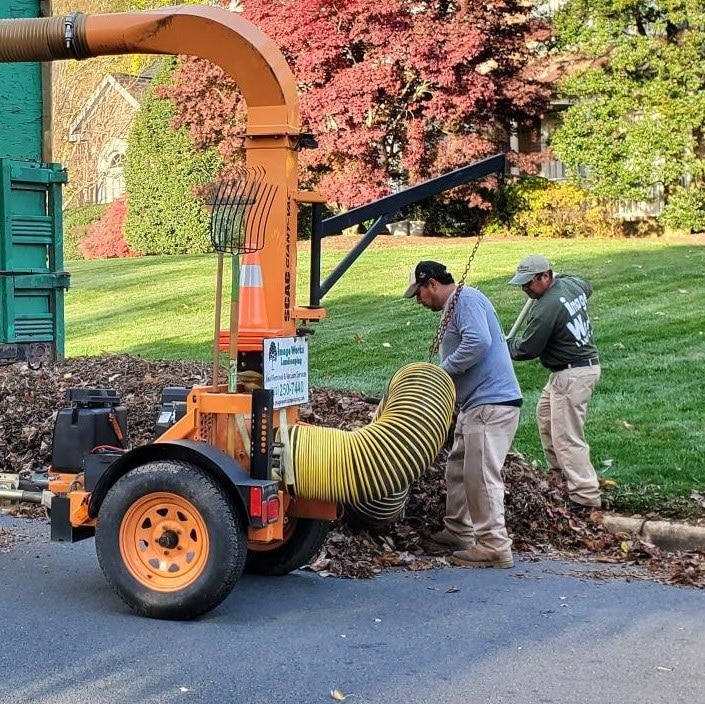
Finding the Best Leaf Removal Services As the seasons change, the vibrant colors of autumn leaves can quickly turn into a daunting task for homeowners. Keeping your yard free of leaves not only enhances your landscape’s appearance but also helps maintain the health of your lawn. If you’re considering hiring a leaf removal service, you’re in the right place. In this article, we’ll guide you through the ins and outs of finding the best leaf removal services, ensuring your yard stays neat and tidy. Why Leaf Removal Is Essential Protecting Your Lawn Leaves left to accumulate can suffocate your grass, blocking sunlight and trapping moisture. This can lead to mold growth and damage to your lawn. Regular leaf removal keeps your grass healthy and promotes better air circulation. Enhancing Landscape Aesthetics A well-kept lawn with no piles of leaves enhances the curb appeal of your home. It creates a clean, inviting atmosphere, perfect for enjoying your outdoor space. Preventing Pest Infestation Decaying leaves can become a breeding ground for pests and insects, which might later invade your home. Keeping your yard clear can help prevent these unwanted guests. Types of Leaf Removal Services There are various leaf removal services available to suit different needs and preferences. Leaf Pickup Service Leaf pickup services involve collecting and disposing of leaves from your property. This is ideal if you have large volumes of leaves and prefer professionals to handle the heavy lifting. Leaf Vacuum Service Leaf vacuum services use specialized equipment to suck up leaves efficiently. This method is particularly effective for large lawns and can save time compared to manual raking. Curbside Leaf Vacuum Service Some companies offer curbside vacuum services, where leaves are vacuumed directly from the curb. This service is convenient for those who prefer to gather leaves themselves but want assistance with final disposal. Flower Bed Cleanup Leaves can accumulate in flower beds and gardens, smothering plants. Flower bed cleanup services focus on removing leaves from these delicate areas without harming your plants. Choosing the Right Leaf Removal Company When selecting a leaf removal company, consider the following factors to ensure you receive the best service. Reputation and Reviews Look for companies with positive reviews and testimonials. Word of mouth and online platforms are great resources for finding reputable leaf removal services. Services Offered Ensure the company offers the specific services you need, whether it’s leaf vacuuming, pickup, or curbside removal. Some companies offer comprehensive packages that include additional services like lawn care and landscaping. Equipment Used Inquire about the equipment the company uses. Modern, well-maintained equipment ensures efficient and thorough leaf removal. A company with a leaf vacuum truck or specialized machines might provide more efficient services. Pricing Compare pricing between different companies. While you want to find a service that fits your budget, remember that the cheapest option might not always provide the best quality. Ask for detailed quotes to understand what’s included. Availability and Scheduling Check the company’s availability, especially during peak seasons when demand is high. Schedule your service in advance to secure a spot. DIY vs. Professional Leaf Removal Pros of Professional Services Efficiency: Professionals use specialized equipment that can handle large volumes of leaves quickly. Convenience: Save time and effort, allowing you to enjoy your weekends without the back-breaking labor. Expertise: Professionals know how to handle leaves without damaging your lawn or garden. Pros of DIY Leaf Removal Cost-Effective: Doing it yourself can save money, especially if you have a small yard. Flexibility: You can work at your own pace and schedule. Satisfaction: Completing the task yourself can be rewarding. Why Is Leaf Removal So Expensive? Leaf removal can seem pricey due to several factors: Labor-Intensive Work: Gathering and disposing of leaves requires significant manual labor. Equipment Costs: Specialized machines for vacuuming and hauling leaves are costly to purchase and maintain. Disposal Fees: Proper disposal of leaves often involves fees, which are factored into service pricing. Tips for Maintaining a Leaf-Free Yard Regular Maintenance: Schedule regular leaf removal to prevent buildup. […]
Fall Season Landscaping Services for Northern Virginia
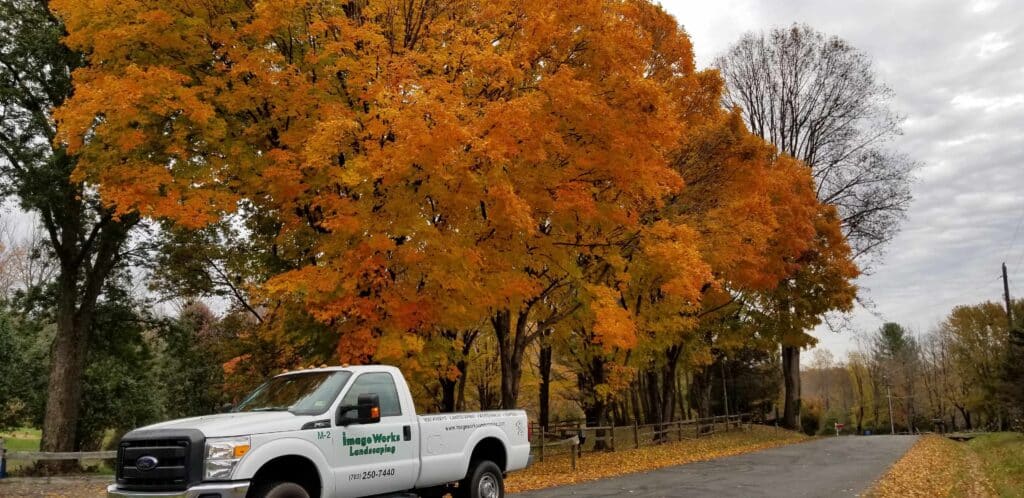
Fall Fall Fall Landscaping Services for Northern Virginia # Fall Landscaping Services for Northern Virginia As the vibrant colors of summer fade, the arrival of fall presents a perfect opportunity to refresh and revitalize your garden. In Northern Virginia, where the seasons change so distinctly, fall landscaping becomes an essential part of maintaining a beautiful and healthy outdoor space. Whether you are a seasoned gardener or a novice, understanding the intricacies of fall landscaping can transform your garden into a stunning autumn haven. Fall is not just a time for raking leaves and putting away garden tools. It is a crucial period for preparing your garden for the cold months ahead and ensuring it thrives come spring. In Northern Virginia, where the climate can be unpredictable, fall landscaping plays a significant role in protecting your plants and enhancing your landscape’s aesthetic appeal. The Benefits of Fall Landscaping Soil Improvement: Fall is an excellent time to improve soil quality. The cooler temperatures and increased moisture make it easier to work the soil, allowing for better aeration and nutrient absorption. Planting Opportunities: Many plants, including perennials, trees, and shrubs, benefit from fall planting. The warm soil and cool air encourage root growth, giving plants a head start before the winter freeze. Pest Control: Fall is an ideal time to address pest issues. Removing debris and cleaning up your garden reduces the chance of pests overwintering and causing problems in the spring. Key Fall Landscaping Tips To make the most of your fall landscaping efforts, consider these practical tips that are particularly suited for Northern Virginia’s climate. 1. Embrace Autumn Colors Incorporate plants that showcase the rich hues of autumn. Consider adding chrysanthemums, asters, and ornamental kale to your garden. These plants not only add color but also withstand cooler temperatures, extending the beauty of your landscape well into the fall. 2. Focus on Lawn Care Fall is the perfect time to aerate your lawn, overseed, and apply fertilizer. Aerating helps relieve soil compaction and improves the flow of air, water, and nutrients to the grass roots. Follow this with overseeding to fill in bare spots and create a lush lawn. Finish with a fall fertilizer to give your grass the nutrients it needs to survive the winter. 3. Plan for Spring While it may seem early, fall is the ideal time to plant spring-flowering bulbs like tulips, daffodils, and hyacinths. Planting these bulbs in the fall allows them to establish roots and ensures a vibrant display of flowers when spring arrives. 4. Prune with Care Pruning in the fall helps maintain plant health and shape. Focus on removing dead or diseased branches and shaping shrubs for a tidy appearance. However, avoid heavy pruning, as it can stimulate new growth susceptible to winter damage. Fall Planting Guide for Northern Virginia Selecting the right plants for fall is essential to a thriving landscape. Here are some recommendations for Northern Virginia: Trees: Consider planting dogwoods, red maples, or crabapples. These trees are well-adapted to the local climate and provide stunning fall foliage. Shrubs: Opt for Virginia sweetspire or fothergilla, which offer beautiful fall colors and are hardy enough to withstand Northern Virginia’s winters. Perennials: Add a splash of color with perennials like sedum, Russian sage, or black-eyed Susans. These plants are known for their resilience and vibrant autumn blooms. Seasonal Yard Care As you prepare your garden for fall, remember that seasonal yard care goes beyond planting and pruning. Here are some additional tasks to ensure a healthy landscape: 1. Leaf Management Regularly rake leaves to prevent them from smothering your grass and plants. Consider using leaves as mulch or adding them to your compost pile for an eco-friendly approach to yard waste. 2. Mulching Apply a layer of mulch around your plants to retain moisture, regulate soil temperature, and reduce weed growth. Mulching also adds a neat, finished look to your garden beds. 3. Watering While fall brings more rain, it’s essential to continue watering new plantings until the ground freezes. This helps plants establish strong roots before winter. Virginia Landscape Design Inspirations Creating a unique and personalized landscape design in Northern Virginia is all about blending beauty with functionality. Here are some design ideas to inspire your fall landscaping project: Pathways and Walkways: Incorporate natural stone or brick pathways that meander through your garden, inviting exploration and enhancing the landscape’s charm. Outdoor Living Spaces: Extend your enjoyment of the outdoors by creating cozy seating areas with fire pits or outdoor heaters, perfect for chilly fall evenings. Lighting: Use landscape lighting to highlight the features of your garden and increase safety. Soft, warm lights create an inviting atmosphere and allow you to enjoy your outdoor space after dark. Conclusion Fall landscaping in Northern Virginia is an opportunity to enhance your garden’s beauty and prepare it for the colder months. By embracing autumn colors, focusing on lawn care, and implementing seasonal yard maintenance, you can create a landscape that stands out in every season. Whether you’re planting new bulbs or designing an outdoor living space, the possibilities are endless. Dive into fall landscaping with enthusiasm and watch your garden transform into a breathtaking oasis.
Why September is a crucial month for the health of your lawn
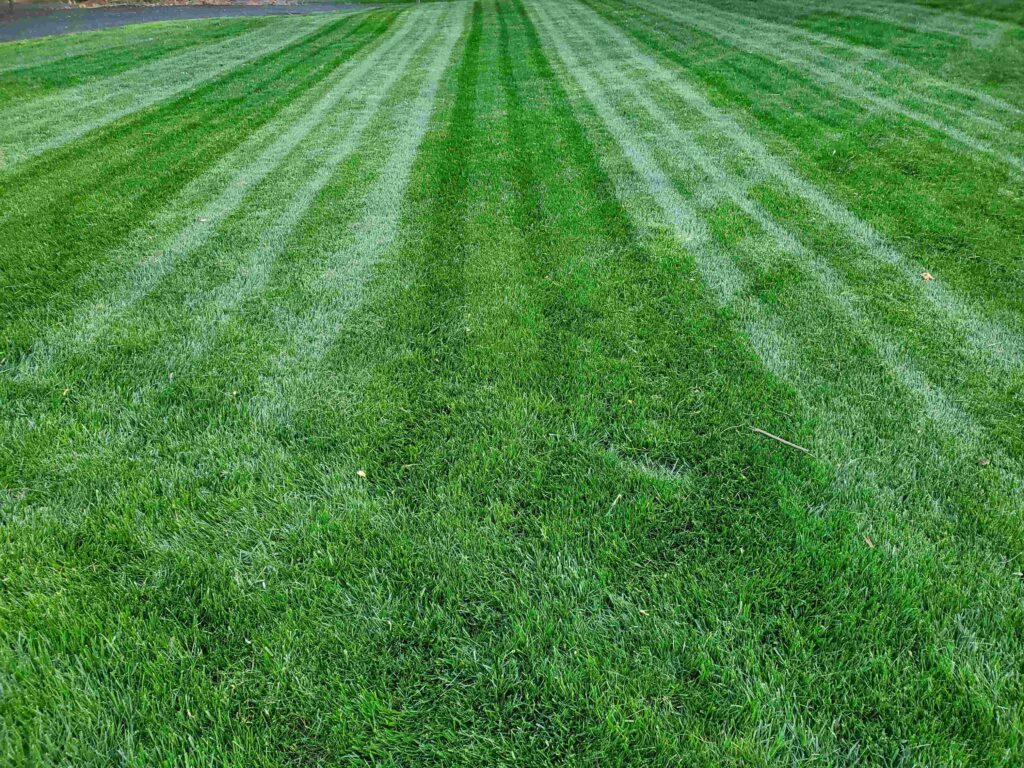
September is key for Fall Lawn care. Learn how to maintain a lush lawn through proper preparation and strategies.
Fall Lawn Care Program for Fairfax Virginia
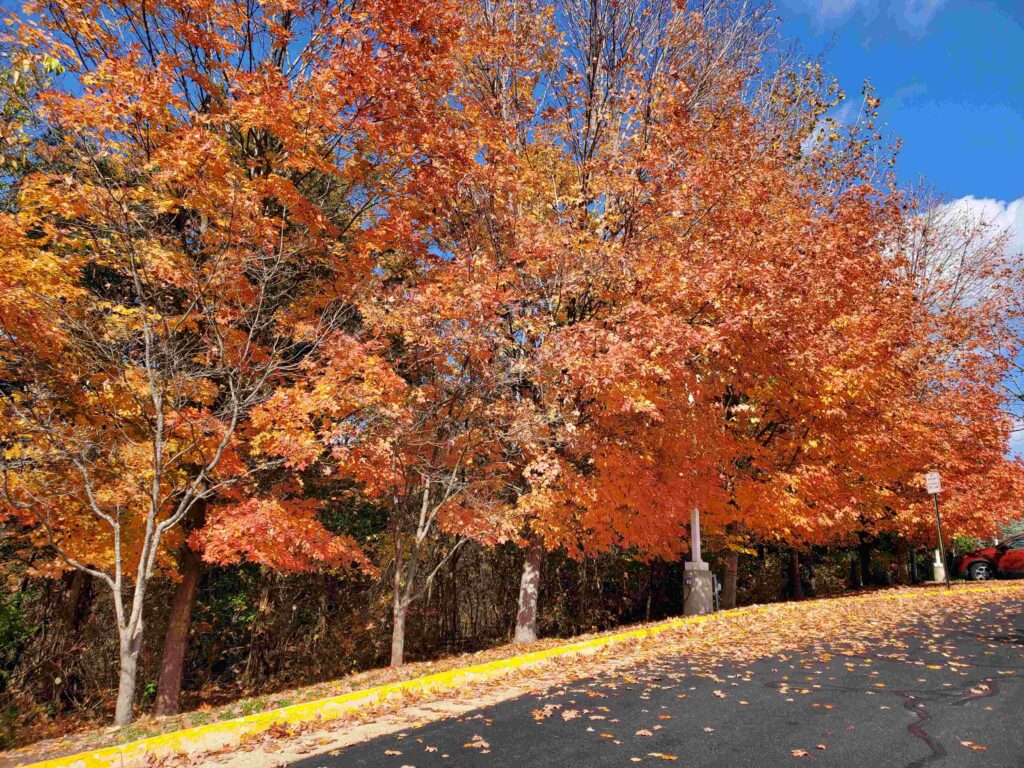
Fall Lawn Care Program for Fairfax Virginia # Fall Lawn Care Program for Fairfax Virginia As the vibrant colors of summer fade into the rich hues of autumn, it’s time to turn your attention to fall lawn care in Fairfax, Virginia. Preparing your lawn for the colder months not only enhances its beauty but also ensures a lush, healthy yard when spring arrives. In this guide, we’ll explore essential tips and techniques for effective fall lawn maintenance in Fairfax. Fall is a critical period for lawn care because the cooler temperatures and increased rainfall create ideal conditions for grass to recover from the summer’s heat stress and to prepare for winter. By focusing on your lawn’s health during the fall, you set the stage for a thriving landscape when the growing season returns. Key Fall Lawn Care Tips for Fairfax 1. Aerate Your Lawn Aeration is the process of perforating the soil with small holes to allow air, water, and nutrients to penetrate the grass roots. This helps alleviate soil compaction and improves root growth. Timing: Aim to aerate your lawn in early fall. In Fairfax, late September to early October is ideal. Method: Use a core aerator, which removes plugs of soil, to achieve the best results. 2. Overseed for a Lush Lawn Overseeding involves spreading grass seed over your existing lawn to fill in thin areas and improve the overall density of your turf. Choosing Seeds: Select a seed blend suitable for Virginia’s climate. Tall fescue and Kentucky bluegrass are popular choices in Fairfax. Process: After aerating, spread the seed evenly across your lawn. Water lightly but frequently until the seeds germinate. 3. Fertilize for Nutrient Boost Fertilizing your lawn in the fall provides essential nutrients that grass needs to grow strong roots and store energy for winter. Fertilizer Type: Use a slow-release, nitrogen-rich fertilizer. Application: Apply fertilizer after aeration and overseeding for maximum absorption. 4. Control Weeds Fall is an excellent time to tackle perennial weeds, as they are storing energy in their roots. Weed Killer: Apply a selective herbicide to target weeds without harming your grass. Timing: Mid to late October is a good time for weed control in Fairfax. 5. Maintain Proper Mowing Practices Continue to mow your lawn regularly throughout the fall, but gradually lower the cutting height as the season progresses. Height: Keep your grass around 2.5 to 3 inches tall to encourage root growth and prevent disease. Leaves: Mulch fallen leaves into your lawn rather than raking them, as this adds valuable organic matter. Special Considerations for Fairfax, Virginia Climate Considerations Fairfax experiences a humid subtropical climate with distinct seasonal changes. The fall season is usually mild, making it an ideal time for lawn care activities. Be sure to monitor local weather forecasts to adjust your lawn care schedule as needed. Soil Conditions The soil in Fairfax can vary, but many areas have clay-based soils that can become compacted. This makes aeration particularly important to ensure healthy root development and water penetration. Local Lawn Care Resources For those seeking professional assistance or quality lawn care products, consider visiting local garden centers or consulting with Fairfax-based lawn care services for personalized advice and support. Fall Gardening Tips for Virginia In addition to lawn care, fall is also a great time to focus on other gardening tasks in Fairfax. Planting bulbs, perennials, and shrubs during the fall allows them to establish roots before winter sets in. Planting Bulbs: Tulips, daffodils, and crocuses are excellent choices for fall planting. Perennials & Shrubs: Consider hardy varieties that thrive in Virginia’s climate, such as azaleas and hostas. Preparing Your Lawn for Winter Before winter arrives, take a few final steps to protect your lawn from the cold: Final Mow: Give your lawn a final cut before the first frost, leaving grass slightly taller for added insulation. Clean Up: Remove debris and leaves to prevent mold and pests. Winterize Equipment: Clean and store lawn care tools to ensure they’re ready for spring. Conclusion By following these fall lawn care tips and understanding the specific needs of Fairfax, Virginia, you can keep your lawn healthy and beautiful year-round. Whether you choose to tackle these tasks yourself or seek professional help, the key is to start early and stay consistent. With a well-executed fall lawn care program, you’ll be rewarded with a vibrant, lush yard come springtime. Remember, a little effort now can lead to a flourishing lawn that enhances the beauty of your home and community.