

Benefits of Grass Aeration and Seeding
Ensuring a lush, green lawn takes more than just regular mowing and watering. For optimal growth and health, your grass needs aeration and seeding. But what exactly are these processes, and why are they beneficial for your lawn? This comprehensive guide will take you through the benefits of grass aeration and over-seeding, explaining how these practices can transform your lawn into the envy of the neighborhood.
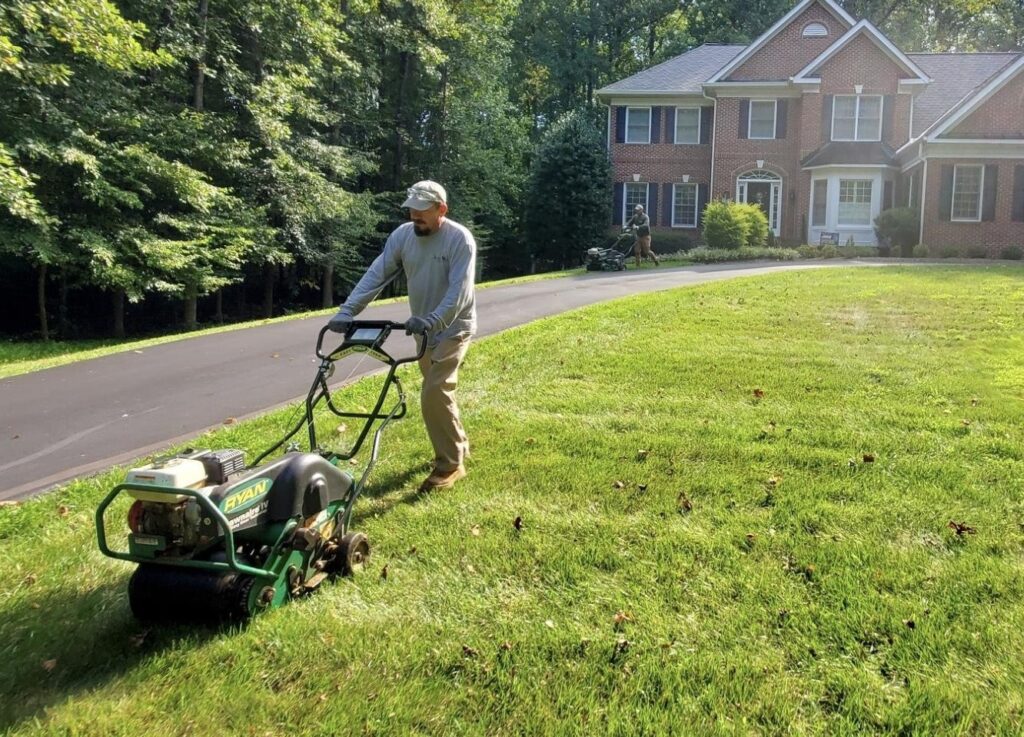
Lawn aeration involves perforating the soil with small holes to allow air, water, and nutrients to penetrate the grassroots. This process helps the roots grow deeply, producing a stronger and more vigorous lawn. Aeration can be particularly beneficial for lawns with heavy foot traffic, thatch buildup, or clay-heavy soil, which often results in compacted soil.
Benefits of Aeration
1. Improved Air Exchange: Aeration significantly improves the air exchange between the soil and the atmosphere, which is vital for root health and growth.
2. Enhanced Water Uptake: With aeration, water can more easily reach the roots, reducing runoff and ensuring your grass gets the hydration it needs.
3. Better Nutrient Absorption: Aeration helps fertilizers and other nutrients penetrate deeper into the soil, making them more accessible to your grass.
4. Reduced Soil Compaction: Over time, soil can become compacted, restricting root growth and diminishing lawn health. Aeration alleviates this compaction.
5. Decreased Thatch Buildup: Thatch, a layer of dead grass and roots, can block water and nutrients. Aeration breaks up this layer, improving overall lawn health.
What Is Lawn Seeding?
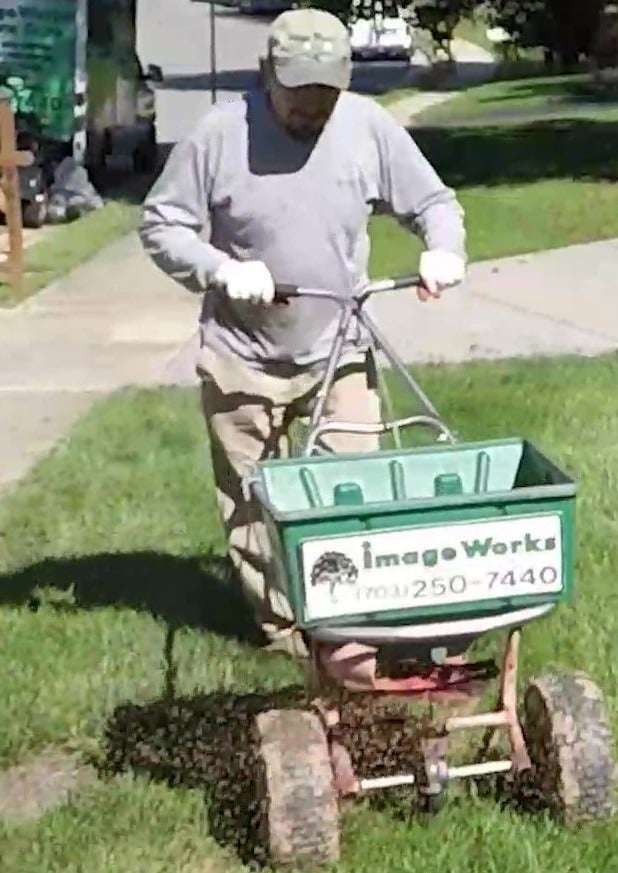
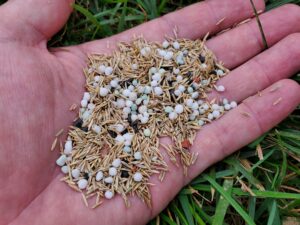
Seeding involves spreading grass seed over your lawn to fill in bare spots, improve density, or introduce new grass varieties. It’s often combined with aeration to ensure the seeds make good contact with the soil.
Benefits of Seeding
1. Improved Lawn Density: Seeding helps fill in bare or thin areas, resulting in a fuller, more lush lawn.
2. Enhanced Grass Variety: By overseeding, you can introduce new, resilient grass types that can better withstand diseases and weather changes.
3. Repair and Recovery: Seeding is an excellent way to repair damage from drought, insects, or diseases, promoting faster recovery.
When and How to Aerate Your Lawn
Timing Your Aeration
The best time to aerate your lawn is during its peak growing season when it can heal and fill in any open areas after soil plugs are removed. For cool-season grasses, this is typically early spring or fall. For warm-season grasses, late spring to early summer is ideal.
Aeration Methods
There are several methods of aeration, including:
- Spike Aeration: This involves using a tool to poke holes into the ground. While it relieves some compaction, it doesn’t remove soil, which can cause further compaction around the holes.
- Core Aeration: This is the most effective method, using a machine to remove plugs of soil from the lawn, thus relieving compaction and improving soil structure.
Preparing for Aeration
- Mow Your Lawn: Should you mow before aeration? Yes, mow your lawn slightly shorter than usual to ensure the aerator can penetrate the soil effectively.
- Water Your Lawn: Should you water before aeration? Yes, water the lawn thoroughly a day or two before aeration to soften the soil, making the process easier and more effective.
When and How to Seed Your Lawn
Timing Your Seeding
Seeding is most effective when combined with aeration, as the seeds can easily reach the soil and establish roots. The timing depends on your grass type:
- Cool-Season Grasses: Seed in early fall or spring.
- Warm-Season Grasses: Seed in late spring to early summer.
Seeding Strategies
- Overseeding: Spread grass seed over an existing lawn to improve its density and health.
- Spot Seeding: Focus on bare spots to ensure even coverage and growth.
Post-Seeding Care
- Watering: After seeding, water lightly and frequently to keep the soil moist, aiding seed germination.
- Mowing: When can you cut grass after aeration and seeding? Wait until the grass reaches about 3-4 inches in height to ensure it’s strong enough to withstand mowing.
Common Questions About Aeration and Seeding
How Long After Aeration and Seeding Until I See Grass?
Typically, you’ll start to see new grass growth within 7-21 days after seeding, depending on the grass type and environmental conditions.
Should I Aerate Before or After Seeding?
Aerate before seeding. This ensures the seeds have direct contact with the soil, improving germination rates.
Should You Mow Before Aeration?
Yes, mowing before aeration helps the aerator penetrate the soil more effectively.
Conclusion

Aeration and seeding are key practices for maintaining a healthy, vibrant lawn. By understanding the benefits and proper techniques, you can enhance your lawn’s appearance and resilience. Whether you’re dealing with compacted soil or looking to rejuvenate your grass, these methods offer a practical solution that will leave your lawn looking its best. With consistent care and attention, you can enjoy a beautiful, green lawn year-round.