

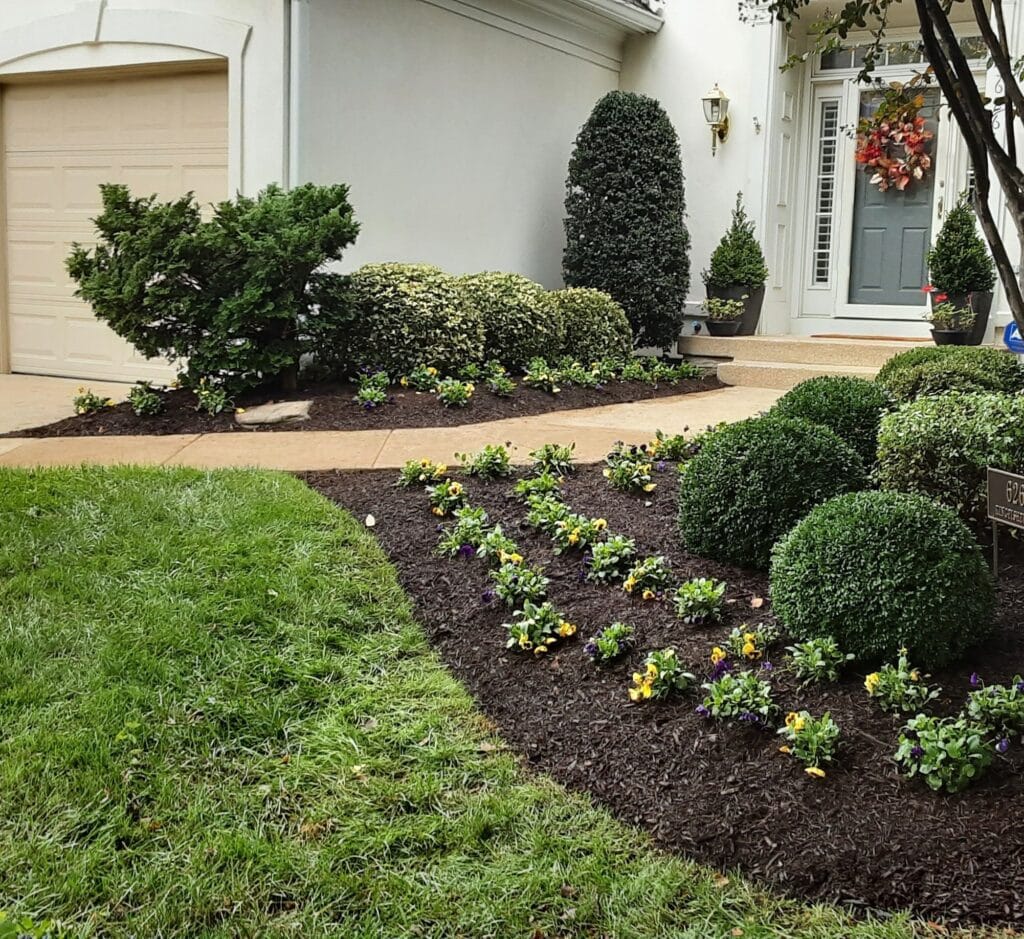
Effective Strategies for Weed Control

Before diving into weed control strategies, it’s important to know what weeds look like. Weeds can be easily mistaken for your regular plants if you’re not careful. They come in various shapes and sizes, and recognizing them is the first step in controlling them. Familiarizing yourself with the common characteristics of weeds can help you spot them early, preventing them from spreading throughout your lawn.
Common Lawn Weeds
Lawn weeds often have broad leaves and can grow quickly. Common types include dandelions, clover, and crabgrass. Dandelions are easily recognizable by their bright yellow flowers and fluffy seed heads. Their deep taproots make them particularly resilient. Clover has three-leaf clusters and small white or pink flowers, often thriving in nitrogen-poor soils. Crabgrass has a distinctive sprawling habit and coarse texture, and it tends to invade thin or bare areas of your lawn. Recognizing these common invaders can help you take early action to prevent their proliferation.
Garden Weeds

In gardens, weeds like chickweed, purslane, and bindweed are frequent offenders. Chickweed has small, star-shaped white flowers and grows in dense mats, often thriving in moist, shaded areas. Purslane features fleshy leaves and reddish stems, known for its rapid growth and ability to thrive in poor soil conditions. Bindweed has twining stems and trumpet-shaped flowers, capable of smothering your desirable plants if left unchecked. Understanding the growth habits and preferred environments of these garden weeds can aid in developing targeted control strategies.
Types of Weeds in Grass
Weeds in grass can be broadly categorized into three types: broadleaf, grassy, and sedge weeds. Each type requires different control methods. By categorizing weeds, you can tailor your control efforts to be more effective and efficient, ensuring your lawn remains lush and green.
Broadleaf Weeds
These weeds have wide, flat leaves and often produce flowers. Examples include dandelions, plantain, and chickweed. Broadleaf weeds are often easier to spot due to their size and shape compared to the grass. They typically stand out in a lawn, making them easier to identify and target. However, their resilience and ability to produce numerous seeds can make them challenging to eradicate if not managed promptly.
Grassy Weeds
Grassy weeds resemble grass but are usually coarser and grow faster. Crabgrass, quackgrass, and foxtail are common grassy weeds. They’re particularly troublesome because they blend in with your lawn and can be difficult to identify at first glance. These weeds can quickly become dominant if left uncontrolled, as they often thrive in conditions where your grass is weaker. Understanding their growth patterns can help you implement timely interventions.
Sedge Weeds
Sedges have a triangular stem and are often found in damp areas. Nutsedge is a common example, characterized by its yellowish-green color and v-shaped leaves. Unlike true grasses, sedges have a unique stem shape and thrive in poorly drained soils. Effective control often requires a combination of cultural and chemical methods, as their underground tubers can make them difficult to eliminate.
How to Identify Weeds

by Swastik Arora (https://unsplash.com/@swastikarora)
Identifying weeds correctly is crucial for effective control. Here are some tips to help you recognize weeds:
- Leaf Shape and Size: Examine the leaves for their shape, size, and arrangement. Broadleaf weeds have larger, wider leaves, while grassy weeds have narrow, blade-like leaves. Observing these differences can help you distinguish between weed types and choose the appropriate control measures.
- Flower Appearance: Many weeds produce distinctive flowers. Take note of the flower’s color, shape, and size. Flowers can be a reliable indicator of a weed’s identity, and recognizing them can assist in timely removal before seed dispersal.
- Growth Habit: Observe how the weed grows. Does it spread across the ground, form a mat, or grow upright? This can give you clues about its type. Understanding growth habits can inform your approach to mechanical removal and prevent the spread of more invasive species.
- Root System: Uproot the weed and examine its roots. Taproots, fibrous roots, and rhizomes can indicate different types of weeds. Knowing the root structure can help you decide on the best removal technique, ensuring that regrowth is minimized.
Strategies for Weed Control
Once you’ve identified the weeds in your yard, you can apply appropriate strategies to control them. Here are some effective methods:
Cultural Control
Cultural practices involve maintaining a healthy lawn to prevent weeds from establishing themselves. Here are some tips:
- Regular Mowing: Keep your grass at the recommended height. Taller grass shades the soil, making it difficult for weeds to grow. Consistent mowing also prevents weeds from flowering and setting seed, reducing future infestations.
- Adequate Watering: Water your lawn deeply but infrequently to encourage deep root growth. This practice strengthens your grass, making it more competitive against weeds. Over-watering can promote weed growth, so balance is key.
- Proper Fertilization: Use fertilizers to promote healthy grass growth, which can outcompete weeds. Ensuring your lawn has the right nutrients can prevent weeds from taking advantage of nutrient-poor conditions.
Mechanical Control
Mechanical control involves physically removing weeds. This can be done by:
- Hand Pulling: Uproot weeds by hand, ensuring you remove the entire root to prevent regrowth. This method is effective for small infestations and allows for precise removal without harming your desirable plants.
- Hoeing: Use a hoe to cut weeds off at the soil surface. This is particularly effective for annual weeds that do not have established root systems.
- Mulching: Apply a layer of mulch to suppress weed growth and retain soil moisture. Mulching not only prevents light from reaching weed seeds but also improves soil health, benefiting your garden as a whole.
Chemical Control
Herbicides can be effective in controlling weeds but should be used with caution. Here are some options:
- Pre-emergent Herbicides: These prevent weed seeds from germinating and are applied before weeds appear. Timing is crucial for effectiveness, so application should coincide with the germination period of the target weeds.
- Post-emergent Herbicides: Use these to kill existing weeds. They are available in selective formulations that target specific weeds without harming your grass. Careful application can minimize damage to your lawn while effectively reducing weed populations.
Integrated Weed Management
Integrated Weed Management (IWM) combines multiple control methods for a comprehensive approach. By using cultural, mechanical, and chemical strategies together, you can effectively manage weeds while minimizing environmental impact. This holistic approach allows for flexible management that adapts to different weed species and environmental conditions, promoting long-term control and sustainability.
Conclusion
Weed control is an ongoing process that requires diligence and knowledge. By understanding what weeds look like and employing effective control strategies, you can maintain a healthy and attractive lawn. Regular monitoring and adopting an integrated approach will help you keep your yard free from unwanted weeds. Remember, the key to successful weed control lies in early identification and consistent management. By following these strategies, you’ll be well on your way to having a beautiful, weed-free lawn that you can enjoy all year round. With commitment and the right techniques, your lawn can become a thriving, weed-free space that enhances the beauty of your home.