

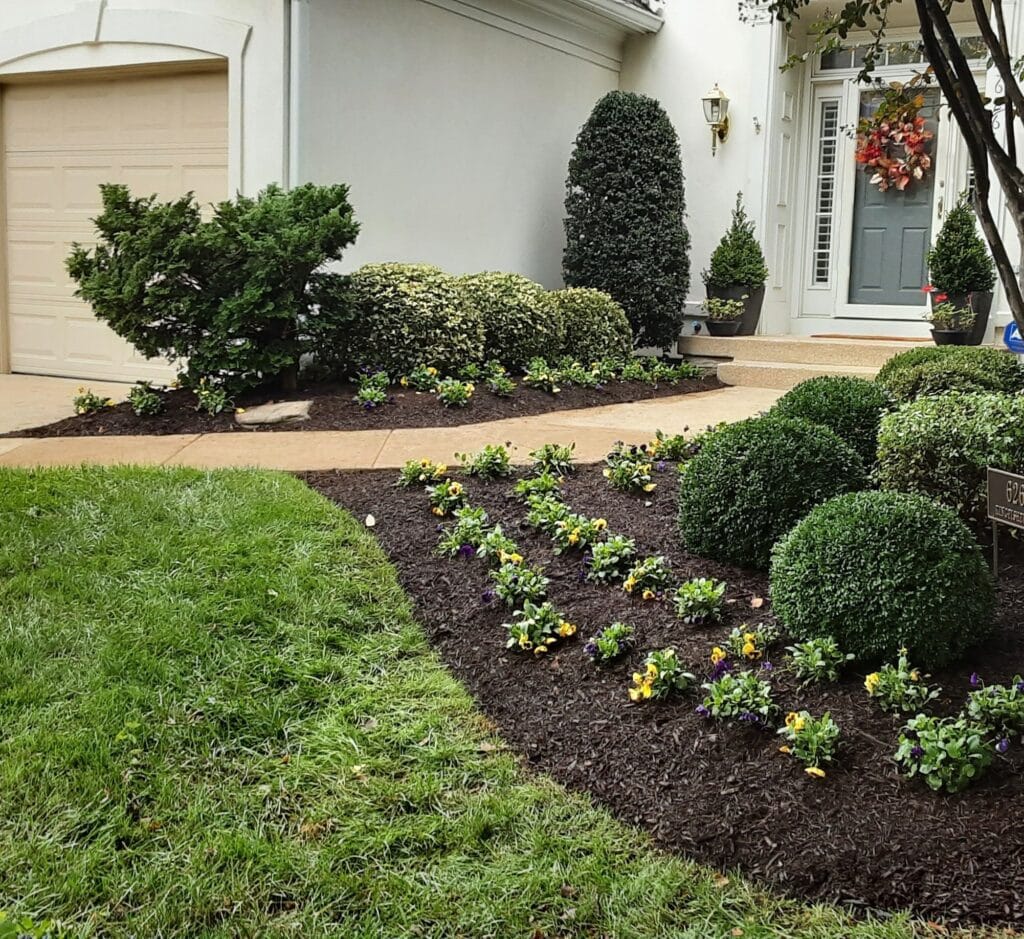
Common Lawn Weeds and How to Identify
A well-kept lawn can be the pride of any homeowner, offering a lush, green space for relaxation and enjoyment. However, the presence of weeds can quickly turn this idyllic scene into a gardener’s nightmare. Whether you’re in Chantilly, Alexandria, or any other part of Northern Virginia, understanding what lawn weeds look like and how to identify them is crucial for effective lawn care. In this guide, we’ll explore common types of weeds, how to spot them, and what you can do to keep your lawn pristine.
Weeds are plants that grow where they are not wanted, often competing with cultivated plants for nutrients, water, and sunlight. While some weeds are easily recognizable, others can be mistaken for grass or ornamental plants. Understanding the characteristics of common weeds can help you identify them quickly.
Weeds are often more robust and grow faster than the plants you want in your garden. They may have broad leaves, distinct flowers, or an unusual growth pattern. Some common traits include:
- Rapid Growth: Weeds often germinate and grow faster than grass, allowing them to spread quickly. This rapid growth is a key survival strategy that enables them to outcompete desired plants for resources. In a matter of days, a bare patch in your lawn can be overtaken by these opportunistic invaders.
- Distinctive Leaves: Many weeds have broad or uniquely shaped leaves that differ from grass blades. These leaves can vary significantly in texture and color, making them stand out against the uniformity of a well-manicured lawn. The variation in leaf shape and size can also help in the identification process.
- Resilience: Weeds can thrive in various conditions, from dry patches to nutrient-poor soil. Their ability to adapt to different environments makes them particularly challenging to manage. Unlike cultivated plants, weeds can survive on minimal resources, making them tenacious adversaries in any garden.
Understanding the differences between weeds and grass is crucial for proper lawn management. Weeds often exhibit characteristics that are easy to spot when compared to grass. For instance, the texture of weed leaves may be rougher or more pronounced than grass blades. Additionally, weeds may have a more vibrant or varied coloration, which can make them more noticeable against the uniform green of your lawn.
While often considered nuisances, weeds do play a role in ecosystems. They can provide habitat and food for various insects and wildlife. However, in a cultivated lawn setting, their presence often indicates an imbalance in soil health or lawn care practices. Recognizing this can help homeowners address underlying issues rather than just treating the symptoms.

In Northern Virginia, including areas like Oakton, Springfield, and Fairfax, various types of lawn weeds are prevalent. Here are some of the most common ones:
Dandelions
- Appearance: Dandelions have bright yellow flowers that turn into fluffy seed heads. Their leaves are deeply lobed and form a rosette at the base. These weeds are not only visually striking but also quite resilient, making them a common sight in many lawns.
- Identification Tip: Look for the characteristic yellow flowers and jagged leaves. The transformation from flower to seed head is a distinctive feature that sets dandelions apart from other weeds. This lifecycle stage is crucial for their propagation, as the wind disperses the seeds far and wide.
- Impact on Lawns: Dandelions can create unsightly patches in otherwise uniform lawns. Their deep taproots make them difficult to remove completely, and if not addressed, they can quickly spread, leading to larger infestations.
Crabgrass
- Appearance: Crabgrass has wide, light green blades and grows low to the ground. It spreads horizontally, covering bare spots in the lawn. This horizontal growth pattern allows it to quickly dominate open areas and choke out desirable grass species.
- Identification Tip: Notice the grass-like appearance but broader and coarser than regular grass. This coarseness is a telltale sign that can help distinguish crabgrass from other grassy weeds.
- Seasonal Behavior: Crabgrass is often a problem in the warmer months when it thrives in the heat. Understanding its growth cycle can aid in implementing timely control measures to prevent its spread.
Clover
- Appearance: Clover is a low-growing plant with trifoliate (three-leaf) leaves and small white or pink flowers. This charming appearance often belies its invasive nature in lawns.
- Identification Tip: Look for the distinctive three-leaf pattern. The flowers, while small, can be quite numerous, adding to the plant’s visual impact.
- Ecological Benefits and Challenges: Clover can fix nitrogen in the soil, which benefits the grass. However, its aggressive growth can overshadow other plants, making it necessary to manage its spread in a lawn setting.
Chickweed
- Appearance: Chickweed has small, star-shaped white flowers and smooth, oval leaves. This delicate appearance often makes it seem less threatening, but it can be quite pervasive.
- Identification Tip: Spot the tiny white flowers and creeping stems. These characteristics make chickweed easy to recognize once you know what to look for.
- Growth Habits: Chickweed prefers cool, moist environments, often appearing in shaded or damp areas of a lawn. Understanding its preferred conditions can help in predicting and preventing its spread.
Plantain
- Appearance: Plantain weeds have broad, oval leaves with prominent veins and tall flower spikes. Their presence can significantly alter the texture and appearance of a lawn.
- Identification Tip: Identify them by their broad leaves and flower spikes. These features make plantain relatively easy to spot and differentiate from other weeds.
- Adaptability: Plantain can thrive in compacted soils, making it a common problem in high-traffic areas. Addressing soil compaction can be a crucial step in controlling this weed.
How to Spot Weeds in Your Lawn

Recognizing weeds in your lawn involves regular inspection and understanding the growth patterns of different plants. Here’s how you can spot them:
Regular Lawn Inspection
Walk through your lawn regularly, especially during the growing season. Pay attention to any patches that look different from the rest of your grass. Weeds often have a different texture, color, or growth pattern. This regular monitoring can help catch infestations early before they become overwhelming.
- Seasonal Variations: Different weeds thrive at different times of the year. Understanding these seasonal patterns can help you time your inspections and treatments more effectively.
- Tools for Inspection: Consider using a magnifying glass or a mobile phone camera to get a closer look at suspicious plants. This can aid in identifying subtle differences that might not be visible to the naked eye.
- Record Keeping: Keeping a record of when and where you spot weeds can help in identifying trends and planning future control measures. This data can be invaluable in developing a comprehensive lawn care strategy.
Use a Weed Identifier
There are several apps and online resources where you can upload a photo of weeds to get an instant identification. This can be especially helpful for identifying less common or new weeds. These tools can serve as a valuable supplement to your own observations.
- Technology in Lawn Care: Leveraging technology can save time and improve accuracy in weed identification. Many apps also provide detailed information on the best control measures for specific weeds.
- Community Resources: Engaging with online gardening communities can provide additional insights and support. Sharing your experiences and learning from others can enhance your lawn care knowledge.
- Expert Consultations: For persistent problems, consulting with a local horticulturist or lawn care professional can provide tailored advice and solutions. They can offer insights into local weed species and effective control strategies.
Learn Local Weeds
Familiarize yourself with the most common weeds in your area. In places like Burke, Vienna, or Clifton, certain weeds may be more prevalent due to local soil and climate conditions. This knowledge can guide your lawn care practices and help you anticipate potential issues.
- Local Workshops and Seminars: Attending local gardening workshops can provide valuable education on regional weed species and control methods. These events often feature experts who can answer specific questions and offer practical advice.
- Networking with Neighbors: Sharing information with neighbors can create a community approach to weed management. Coordinated efforts can be more effective than isolated attempts, particularly in neighborhoods with similar soil and climate conditions.
- Adapting to Changes: Climate change and other environmental factors can alter the prevalence and behavior of certain weeds. Staying informed about these changes can help you adjust your lawn care practices accordingly.
How to Control and Remove Weeds
Once you’ve identified the weeds in your lawn, the next step is to control and remove them. Here are some strategies:
Manual Removal
For small infestations, manually pulling weeds can be effective. Ensure you remove the entire root to prevent regrowth. This method is labor-intensive but can be very effective for isolated weeds.
- Tools for Manual Removal: Using the right tools, such as a dandelion digger or a hand trowel, can make the process easier and more efficient. These tools can help ensure that you remove as much of the root system as possible.
- Timing and Technique: Manual removal is most effective when the soil is moist, as this makes it easier to extract the entire root. Proper technique can reduce the risk of the weed breaking and leaving roots behind.
- Disposal of Weeds: Properly disposing of pulled weeds is crucial to prevent them from reestablishing. Composting weeds is not advisable unless you are sure your composting process will destroy the seeds.
Use Herbicides
Select appropriate herbicides for the type of weed you’re dealing with. Be sure to follow the instructions carefully to avoid damaging your lawn. Herbicides can be a powerful tool in your weed control arsenal but must be used judiciously.
- Types of Herbicides: Understanding the differences between selective and non-selective herbicides is important. Selective herbicides target specific weeds without harming grass, while non-selective ones can damage all vegetation they contact.
- Application Techniques: Proper application is key to effectiveness and safety. Using a sprayer with a fine mist setting can help ensure even coverage and reduce the risk of drift to desirable plants.
- Environmental Considerations: Consider the environmental impact of herbicides and explore organic or eco-friendly options if possible. These alternatives can reduce potential harm to beneficial insects and soil health.
Improve Lawn Health
A healthy, thick lawn is the best defense against weeds. Regular mowing, watering, and fertilizing can keep your grass strong, making it difficult for weeds to establish. A proactive approach to lawn health can significantly reduce the need for reactive weed control measures.
- Soil Health: Testing your soil and addressing nutrient deficiencies can enhance grass growth and resilience. Healthy soil supports robust root systems that can outcompete weeds for resources.
- Mowing Practices: Proper mowing techniques, such as maintaining an appropriate height and using sharp blades, can prevent stress on grass and reduce opportunities for weeds to take hold.
- Watering Strategies: Efficient watering practices, such as deep and infrequent watering, can encourage deep root growth in grass, making it more competitive against weeds. Overwatering can create conditions that favor weed growth.
Pre-emergent Herbicides
Applying pre-emergent herbicides in early spring can prevent weed seeds from germinating, reducing the number of weeds that appear later. This preventive measure can be an effective part of an integrated weed management strategy.
- Timing is Key: The effectiveness of pre-emergent herbicides depends on proper timing. Application should occur before weed seeds begin to germinate, which varies by region and weed type.
- Choosing the Right Product: Different pre-emergent herbicides target different types of weeds. Selecting the right product for your specific weed issues is crucial for success.
- Integrated Management: Combining pre-emergent herbicides with other cultural and mechanical control methods can enhance overall effectiveness. This integrated approach can reduce reliance on chemical controls and promote sustainable lawn care practices.
Conclusion
Understanding and identifying common lawn weeds is essential for maintaining a beautiful yard. By recognizing the types of weeds, such as dandelions, crabgrass, and clover, you can take effective action to control them. Whether you’re in Kingstowne, Lorton, or anywhere else in Northern Virginia, a little knowledge and regular lawn care can go a long way in keeping your lawn weed-free.
- Stay Proactive: Proactive monitoring and management are key to preventing weed problems before they start. Regular inspections and timely interventions can keep your lawn looking its best.
- Seek Professional Help: Don’t hesitate to seek professional help from landscaping services like Image Works Landscaping if needed. Professionals can provide expert advice and solutions tailored to your specific lawn care needs.
- Enjoy Your Lawn: With the right approach, your lawn can remain a vibrant and inviting space for you and your family to enjoy. A well-maintained lawn not only enhances the beauty of your home but also provides a tranquil setting for relaxation and recreation.

by Tarun Sri Vathsan (https://unsplash.com/@adamlevine2707)