
Quick Answer: You may need a retaining wall in Northern Virginia if your yard has a slope, erosion, drainage problems, or soil movement that is affecting your lawn, patio, driveway, or foundation. A retaining wall contractor Northern Virginia homeowners trust can help determine whether the wall is needed for structural support, water management, or to create usable outdoor space.
If your yard is washing out after heavy rain, your mulch keeps sliding downhill, or one part of your property is noticeably lower than another, those are all signs that a retaining wall may be worth considering. In Northern Virginia, where many neighborhoods have sloped lots, clay-heavy soil, and frequent storm runoff, retaining walls are often more than a cosmetic upgrade. They can protect your property, improve drainage, and make your outdoor space safer and more functional. For homeowners in places like Arlington, Fairfax, Alexandria, Springfield, Vienna, Reston, and surrounding communities, the right wall can solve long-term problems before they become expensive repairs.
What a Retaining Wall Actually Does for Your Property
A retaining wall is designed to hold back soil and create a stable change in elevation across your yard. In practical terms, that means it can stop a hillside from sliding, keep a planting bed from collapsing, or flatten an area so you can use it for a patio, lawn, or play space. Many homeowners first think of retaining walls as decorative landscape features, but the real value is often structural. A properly built wall can help control erosion, improve drainage, and protect areas of your property that would otherwise continue to shift over time.
In Northern Virginia, this matters because many residential lots were built with slopes, grade changes, and runoff patterns that become more noticeable after landscaping, home additions, or heavy rainfall. A backyard in Burke may need a wall to support a raised lawn area, while a property in Clifton or Fairfax Station may need one to stabilize a steep grade behind the house. In neighborhoods with older homes, retaining walls are also used to replace failing timber or stone structures that no longer hold soil effectively. If you are trying to decide whether you need a retaining wall contractor Northern Virginia homeowners can rely on, the first question is whether your yard is simply uneven or whether that unevenness is creating a real problem.
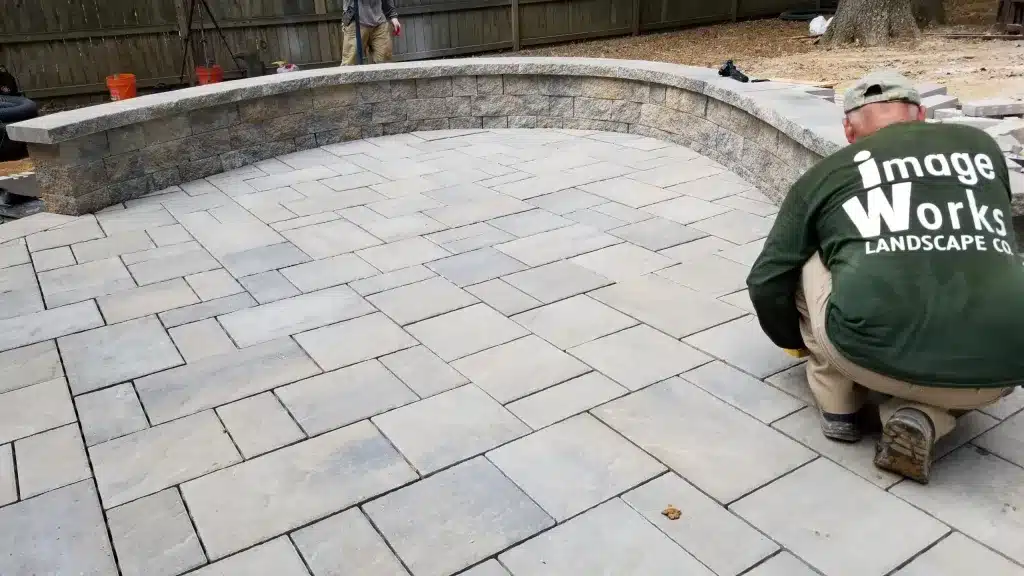
The best retaining wall projects do more than solve one issue. They can also improve the overall layout of your outdoor space. For example, a wall can create a level area for a patio, separate a driveway from a lawn, or define a garden bed that is easier to maintain. That is why many homeowners combine retaining walls with drainage improvements, patio installation, or lawn installation. When these elements are planned together, the result is usually more durable and more attractive than treating each problem separately.
Signs You May Need a Retaining Wall in Northern Virginia
The clearest sign you may need a retaining wall is visible soil movement. If dirt is sliding downhill after rain, mulch is washing away, or bare patches keep appearing on a slope, your yard is telling you that the grade is not stable enough on its own. Over time, erosion can expose roots, damage landscaping, and create channels that carry even more water through your property. In some cases, you may also notice that stepping stones, edging, or small garden borders are shifting because the ground underneath them is moving.
Another common sign is drainage trouble. If water pools near your foundation, runs across your lawn in a concentrated path, or drains toward areas you want to protect, a retaining wall may be part of the solution. In Northern Virginia, clay soil can hold water longer than many homeowners expect, which makes runoff and saturation even more of a concern. A wall with proper drainage behind it can help redirect water, reduce pressure on the slope, and protect nearby structures. This is especially important for homes in areas like Annandale, Newington, Lorton, and West Springfield, where grading and stormwater management often go hand in hand.
You may also need a retaining wall if your yard has become difficult to use. A steep slope can make mowing unsafe, limit where children can play, and reduce the amount of usable outdoor space you have. If you have been avoiding certain parts of your yard because they feel unstable, muddy, or awkward to maintain, a wall may help turn that wasted area into something functional. Homeowners often discover that the cost of a retaining wall is easier to justify when they realize it can solve multiple problems at once: erosion control, drainage improvement, and better outdoor living space.
Finally, look for signs of failure in an existing wall. Bulging, cracking, leaning, or separated stones are all warning signs that the wall may no longer be doing its job. If you already have a wall that is failing, it is better to address it early than wait for a collapse. A qualified retaining wall contractor Northern Virginia residents work with can evaluate whether the wall needs repair, replacement, or a complete redesign based on the soil conditions and slope on your property.
How Northern Virginia Soil, Slope, and Weather Affect Retaining Wall Needs
Northern Virginia properties face a combination of conditions that make retaining walls especially common. Many neighborhoods have rolling terrain, uneven lot grades, and soil that does not drain as quickly as homeowners would like. Add in seasonal rain, summer thunderstorms, and freeze-thaw cycles, and you have a recipe for erosion and shifting soil. Even a yard that looked stable when you bought the home can begin to change once water starts moving across it in the wrong way.
Clay-heavy soil is one of the biggest factors. Clay expands when wet and contracts when dry, which can create pressure against slopes and walls. That pressure can cause soil to move, especially if there is no proper drainage system behind the wall. In areas like Fairfax, Vienna, Oakton, and Herndon, this is a common issue on both newer and older properties. Homeowners sometimes assume the problem is just “bad landscaping,” but in reality the site conditions may require a structural solution. A retaining wall contractor Northern Virginia homeowners hire should understand how local soil and drainage patterns affect wall design, footing depth, and material selection.
Weather also plays a major role. Heavy rain can quickly overwhelm a slope that was only marginally stable to begin with. Winter weather adds another layer of stress, because moisture can freeze and expand behind a wall, increasing pressure and causing cracks or movement. That is why retaining walls in this region need more than a basic stack of blocks. They need proper base preparation, drainage stone, geotextile fabric when appropriate, and a design that matches the height and load requirements of the site. If a wall is being built to support a patio, driveway edge, or raised planting area, the construction details matter even more.
For homeowners, the takeaway is simple: in Northern Virginia, a retaining wall is often not just a landscaping choice. It is a response to real site conditions. If your property has a slope, poor drainage, or soil that seems to move every time it rains, it is worth getting a professional assessment before the problem becomes larger and more expensive.
Retaining Wall Cost Factors Homeowners Should Understand
Retaining wall pricing can vary widely because every project is different. A small decorative wall for a planting bed costs far less than a structural wall built to hold back several feet of soil on a sloped backyard. For homeowners planning a serious landscape upgrade, it helps to understand what drives the price so you can budget realistically and avoid surprises. In most cases, the biggest cost factors are wall height, length, material choice, drainage requirements, and site access.
Material selection has a major impact on cost. Segmental concrete block walls are common because they are durable, attractive, and versatile. Natural stone can create a high-end look but usually costs more in labor and materials. Timber walls may be less expensive upfront, but they often have a shorter lifespan and may not be the best choice for long-term structural support. If you are building a wall near a patio, walkway, or outdoor living area, many homeowners choose materials that coordinate with the rest of the hardscape so the entire project feels intentional and polished.
Labor and site conditions also matter. A property with limited access, steep slopes, existing tree roots, buried utilities, or poor drainage can take significantly more time and equipment to complete. In neighborhoods with tight side yards or backyard access issues, crews may need to move materials by hand, which increases labor costs. If the project requires excavation, removal of old walls, grading, or drainage corrections, those items can add to the total. That is why a professional estimate from a retaining wall contractor Northern Virginia homeowners trust is so important. A good contractor will explain not only the price, but also what is included and why certain steps are necessary.
As a general planning guideline, smaller retaining wall projects may start in the low thousands, while larger structural walls combined with drainage, patio work, or grading can reach well beyond that. For many homeowners, the best value comes from bundling related work together. For example, if you already need a wall, it may make sense to also address drainage or install a patio at the same time. Doing the work in one coordinated project can reduce disruption and often creates a better finished result than tackling each issue separately.
When to Hire a Retaining Wall Contractor vs. When to Wait
Not every slope needs immediate construction, but some warning signs should not be ignored. If your wall is already leaning, cracking, or pushing outward, or if water is actively eroding soil near your home, it is usually time to move forward with a professional evaluation. The same is true if you are planning a patio, lawn installation, or major backyard renovation and the grade needs to be corrected first. In those situations, waiting can lead to more damage, higher repair costs, and a design that does not function properly.
There are also cases where you may be able to monitor the situation for a short time. For example, if you have a minor slope with no erosion, no drainage issues, and no signs of movement, you may not need a wall right away. In that case, a landscaping professional may recommend grading, planting, or drainage improvements first. The key is to base the decision on what the yard is doing, not just how it looks. A slope can appear harmless until a heavy storm exposes the problem.
Homeowners should also think about timing. If the issue tends to get worse in spring or after summer storms, it is smart to schedule an assessment before the next wet season. In Northern Virginia, that can help you avoid emergency repairs and make sure the project is designed around actual site conditions. If you are already seeing movement, do not wait for a collapse. A retaining wall contractor Northern Virginia homeowners call early can often save you money by addressing the root cause before it damages nearby landscaping, hardscape, or foundation areas.
In many cases, the decision comes down to risk. If the slope is affecting safety, usability, or drainage, it is usually worth acting sooner. If the issue is minor and stable, you may have time to plan a larger landscape project that includes the wall, patio, and drainage work together. Either way, a professional site visit is the best way to know whether you need to build now or simply prepare for the future.
Local Northern Virginia Considerations for Retaining Walls
Homeowners in Northern Virginia should think about retaining walls in the context of local property conditions, neighborhood layouts, and long-term maintenance. In many communities, lots are smaller and more closely graded than homeowners expect, which means even modest elevation changes can create drainage or erosion problems. A backyard in Arlington may need a compact wall to create usable space, while a property in Clifton or Fairfax Station may require a larger structural solution because of steeper terrain. The right design depends on the site, not just the height of the slope.
Local permitting and code requirements can also affect the project. Depending on the wall height, location, and whether it is supporting a load, permits or engineering may be required. That is one reason it is important to work with an experienced retaining wall contractor Northern Virginia residents can count on. A knowledgeable contractor will understand when a wall is purely decorative and when it needs to be built to a higher structural standard. This matters for safety, durability, and compliance.
Another local consideration is how a retaining wall fits into the rest of your landscape. Many Northern Virginia homeowners want more than a wall; they want a backyard that feels complete. That often means combining the wall with a patio, steps, drainage improvements, or new lawn installation. In communities like Reston, Sterling, Woodbridge, and Alexandria, outdoor space is valuable, so every square foot needs to work hard. A well-planned wall can make a sloped yard feel larger, cleaner, and easier to enjoy.
Image Works Landscaping understands these local challenges because we work with them every day. We see how stormwater moves through Northern Virginia yards, how soil behaves in different neighborhoods, and how to design retaining walls that look good and perform well over time. That local experience matters when you are investing in a project that needs to last.
Homeowner Decision Checklist: Do You Need a Retaining Wall?
- Your yard has a slope that makes mowing, planting, or walking difficult.
- Soil, mulch, or gravel keeps washing downhill after rain.
- Water pools near your foundation, patio, or low spots in the yard.
- You see cracks, leaning, or bulging in an existing wall.
- You want to create a level area for a patio, lawn, or play space.
- Parts of your yard feel unsafe, unstable, or hard to maintain.
- You are planning a larger landscaping project and need to correct the grade first.
- You want to prevent erosion before it damages your property further.
If you checked more than one of these boxes, it is a strong sign that a retaining wall may be part of the solution. The more issues you have at once, the more likely it is that the wall will do more than improve appearance. It may also protect your property value, reduce maintenance, and make your outdoor space more usable.
Why Homeowners Choose Image Works Landscaping
When you are searching for a retaining wall contractor Northern Virginia homeowners can trust, experience with local properties matters. Image Works Landscaping focuses on residential landscaping solutions that solve real problems, not just surface-level concerns. That means we look at drainage, grading, soil movement, and how your retaining wall will fit into the rest of your outdoor space. Our goal is to build something that performs well and looks like it belongs on your property.
We also understand that many retaining wall projects are part of a bigger plan. Homeowners often come to us because they need a wall, but they also want a patio, drainage improvements, or a new lawn installation. We help coordinate those pieces so the final result feels cohesive and practical. Whether your project is in Fairfax, Burke, Vienna, Lorton, Springfield, or another Northern Virginia community, we bring local knowledge and a homeowner-first approach to every job.
Just as important, we communicate clearly. We explain what is causing the issue, what options you have, and what the project will likely involve before work begins. That kind of guidance helps homeowners make confident decisions, especially when the project is a significant investment. If you want a retaining wall that is built to handle Northern Virginia conditions and support the long-term health of your landscape, Image Works Landscaping is ready to help.
Final Thoughts: Don’t Wait Until the Problem Gets Worse
If your yard is showing signs of erosion, drainage trouble, or slope instability, now is the time to take a closer look. A retaining wall can protect your property, improve the way your yard functions, and create space you can actually use. In Northern Virginia, where weather, soil, and terrain can all work against a landscape, waiting too long often means paying more later for repairs, cleanup, or replacement.
The best next step is a professional assessment from a retaining wall contractor Northern Virginia homeowners rely on for honest guidance and quality work. At Image Works Landscaping, we help homeowners determine whether a retaining wall is necessary, what type of wall makes sense, and how to integrate it with drainage, patios, and lawn installation for the best long-term result. If you are ready to stop erosion, solve drainage issues, and make your yard more usable, contact Image Works Landscaping today to schedule a consultation and get expert advice for your Northern Virginia property.