
Quick Answer: For most Northern Virginia homes, the best lawn installation method in July is usually sod, especially when you want fast results, better erosion control, and a lawn that can handle summer heat more predictably. Seed can still work in some situations, but July is a tougher month for germination, watering demands, and weed pressure, which makes professional lawn installation in Northern Virginia more valuable than a DIY gamble.
If you are comparing lawn installation northern virginia options in the middle of summer, the right choice depends on your site conditions, irrigation, shade, slope, and how quickly you need the yard to look finished. For many homeowners in Fairfax, Arlington, Alexandria, Vienna, and surrounding communities, sod is the most practical July solution because it establishes faster and reduces the risk of patchy results.
July is not the easiest month to start a lawn in Northern Virginia, but it is often the month when homeowners finally decide to fix thin turf, bare spots, drainage trouble, or a yard that never recovered from spring projects. If your property has been damaged by construction, heavy foot traffic, poor grading, or a failed lawn from a previous season, the timing matters. The good news is that with the right approach, July can still be a smart time to invest in a new lawn, especially when the project is paired with grading, drainage improvements, or other landscape upgrades that protect your long-term results.
At Image Works Landscaping, we help homeowners choose the right lawn installation method based on real site conditions, not guesswork. That means looking at sun exposure, soil quality, water access, and how the lawn will be used before recommending seed, sod, or a more comprehensive landscape solution.
Why July Is a Challenging Month for Lawn Installation in Northern Virginia
July brings high heat, humidity, and frequent stress on new turf, which makes lawn installation northern virginia projects more complicated than they are in spring or fall. In places like Springfield, Reston, Herndon, and Woodbridge, summer temperatures can push newly installed grass to its limit, especially if the yard gets full sun or has compacted clay soil. New grass needs consistent moisture to establish roots, and July weather can turn a simple watering plan into a daily commitment. If a homeowner is not prepared to water properly, even a high-quality installation can struggle.
Another issue is weed pressure. Warm weather encourages aggressive weeds to compete with new grass, and that can make seed-based projects harder to manage. Homeowners often think they are saving money by seeding in July, but if the lawn fails to establish, they may end up paying twice: once for the original installation and again for repairs, overseeding, or full replacement. That is why the best method is not always the cheapest upfront. It is the method most likely to succeed the first time in your specific yard.
July also exposes hidden property problems. Low spots that hold water after a storm, areas with poor drainage, slopes that wash out, and compacted soil from construction all become more obvious in summer. If your lawn failure is tied to grading or drainage, installing grass without correcting the underlying issue usually leads to the same problem again. In many Northern Virginia neighborhoods, the smartest July project is not just lawn installation, but lawn installation combined with drainage correction, retaining wall work, or regrading to create a stable base for long-term growth.
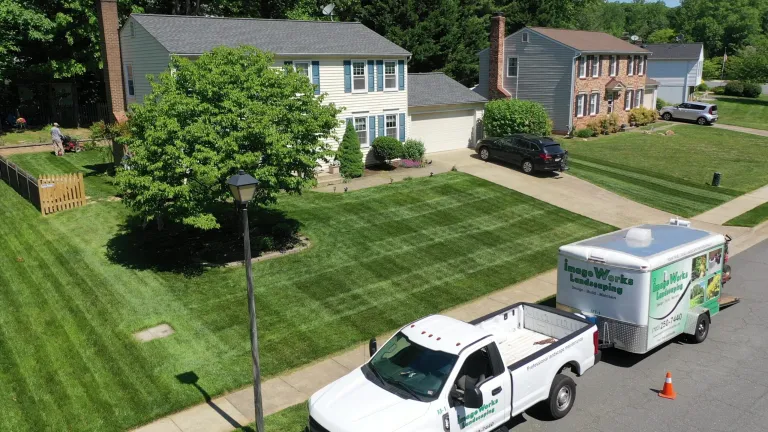
For homeowners who want a finished look quickly, sod is often the most dependable option in July. It provides immediate coverage, helps reduce erosion, and gives your property a clean, usable appearance right away. That matters if you are preparing to sell, hosting guests, finishing a patio project, or simply tired of looking at bare dirt.
Best Lawn Installation Methods: Sod vs. Seed vs. Hydroseeding
When homeowners ask about the best lawn installation method in July, the conversation usually comes down to three options: sod, seed, and hydroseeding. Each has its place, but they perform differently in Northern Virginia’s summer conditions. Sod is the fastest and most reliable option for immediate results. It is ideal for front yards, visible curb appeal projects, erosion-prone slopes, and properties where the homeowner wants to use the lawn sooner rather than later. Because the grass is already grown, sod bypasses the most fragile stage of germination and gives you a head start in hot weather.
Seed is the most budget-friendly option upfront, but July is a difficult time for it. Seed requires careful watering, protection from heat, and patience while it germinates. In shaded areas or on properties with uneven irrigation, seed can become patchy. That does not mean seed is never the right choice. For larger open areas, lower-budget projects, or homeowners who are willing to wait and maintain a strict watering schedule, seeding can still be effective. But if the goal is to reduce risk in July, seed is usually the least forgiving method.
Hydroseeding sits between sod and seed in terms of cost and performance. It can be a good option for larger lawns where full sod coverage would be too expensive, and it often provides better seed-to-soil contact than traditional broadcast seeding. Still, hydroseeding in July can be vulnerable to heat and inconsistent watering. It is also not as immediately polished as sod, which matters for homeowners who want a finished landscape that complements a new patio, walkway, or retaining wall.
For most homeowners in Northern Virginia, sod is the best July choice when the priority is speed, reliability, and curb appeal. Seed and hydroseeding may still make sense in some cases, but they usually require more patience and more maintenance. If your property has drainage issues, slope concerns, or a need for a larger landscape overhaul, a professional assessment can help determine whether a lawn installation should be paired with other improvements for better long-term success.
How to Decide Whether to Install a Lawn Now or Wait Until Fall
One of the biggest decisions homeowners face is whether to move forward with lawn installation in July or wait for cooler fall weather. In many cases, fall is the ideal season for seeding because temperatures are milder and rainfall is often more favorable. But waiting is not always the best answer. If your yard is bare, eroding, or unusable, delaying the project can create bigger problems. Bare soil can wash away during storms, weeds can spread quickly, and a neglected yard can hurt your home’s appearance and value.
July installation makes sense when the project has a clear purpose and a strong plan. For example, if you just completed a patio installation in Alexandria or Arlington and need the surrounding lawn restored, waiting until fall may leave the property looking unfinished for months. If your front yard is damaged from drainage runoff in Fairfax Station or your side yard is muddy and unusable in Lorton, a summer installation may be worth it because it solves an active problem. In these cases, sod is often the best choice because it stabilizes the site quickly and helps protect the work already done on the rest of the landscape.
On the other hand, if your lawn is mostly intact and you are only considering a cosmetic upgrade, waiting until fall may be the smarter financial decision. Fall seeding can be more cost-effective for larger areas, especially if you are not in a rush and can manage the yard carefully until then. A professional landscaper can help you compare the real cost of acting now versus waiting. That comparison should include not only installation price, but also watering needs, maintenance time, risk of failure, and the possibility of needing repairs later.
Homeowners should also think about the rest of the landscape. If your lawn problem is tied to drainage, grading, or retaining wall needs, the best time to address it may be now, before another storm season causes more damage. In that case, delaying the lawn alone could mean paying more later for erosion repair, soil replacement, or reinstallation. The right decision is not just about the calendar. It is about the condition of your property and the long-term value of the work.
Cost Considerations for Lawn Installation in Northern Virginia
Cost is one of the main reasons homeowners compare lawn installation options carefully. In Northern Virginia, pricing can vary widely based on the size of the lawn, the condition of the site, and whether the project includes grading, drainage work, or soil amendments. A simple lawn replacement on a flat, accessible yard will cost less than a project that requires regrading, topsoil delivery, or erosion control. That is why it is important to understand what you are really paying for, not just the grass itself.
Sod typically has a higher upfront cost than seed, but it often delivers better value in July because it reduces the risk of failure and shortens the timeline to a usable lawn. If you are investing in a larger landscape project that includes a patio, retaining wall, or drainage correction, sod can protect that investment by creating a finished, stable surface around the new hardscape. For many homeowners, the added upfront cost is easier to justify when they consider the cost of redoing a failed seeding project or dealing with erosion after summer storms.
Seed is usually the least expensive material option, but labor and maintenance can add up. If the lawn needs repeated watering, weed control, or patch repair, the total cost may rise over time. Hydroseeding can fall in the middle, depending on the size of the area and the site conditions. However, if the project includes poor soil or a slope, additional stabilization may be necessary to make hydroseeding successful. In those cases, the lower material cost does not always mean the lowest overall cost.
Homeowners should also budget for site preparation. Removing old turf, correcting grade, improving drainage, and adding topsoil can significantly affect the final price. In many Northern Virginia neighborhoods, these prep steps are what separate a lawn that survives from one that thrives. A professional estimate should clearly explain what is included so you can compare options accurately and avoid surprises later.
Local Northern Virginia Considerations That Affect Lawn Success
Local conditions matter a lot when choosing a lawn installation method in July. Northern Virginia has a mix of clay-heavy soils, mature tree cover, sloped lots, and neighborhoods with drainage challenges. In areas like Oakton, Vienna, and Fairfax, tree shade can limit sun exposure and make it harder for grass to establish. In lower-lying properties in Newington, Springfield, or Woodbridge, water can collect after storms and damage new turf if the grade is not corrected first. These are not minor details. They directly affect whether your lawn installation will hold up through the summer.
Another local factor is the style of the property itself. Many Northern Virginia homes have been through additions, deck replacements, patio upgrades, or utility work that disturbed the lawn. If your yard has compacted soil from construction equipment or uneven fill dirt, grass may struggle unless the site is prepared properly. This is especially common in newer or recently renovated properties where the lawn was never fully restored after the work was completed. In those cases, a simple seed-and-go approach usually does not solve the underlying issue.
Homeowners in communities like Arlington, Alexandria, and Falls Church also tend to care about curb appeal and property presentation, especially if they are planning to sell or refinance. A clean, professionally installed lawn can make a strong first impression and improve the overall look of the home. In suburban areas like Burke, Clifton, Reston, and Herndon, families often need a lawn that can handle kids, pets, and regular use. That means durability matters just as much as appearance.
Image Works Landscaping understands these local realities. We do not recommend a one-size-fits-all solution because Northern Virginia properties are too varied for that. The best lawn installation method depends on your soil, slope, shade, drainage, and how you actually use the yard. That local knowledge is what helps homeowners get better results and avoid costly mistakes.
Homeowner Decision Checklist
- Do you need fast results for curb appeal, resale, or an upcoming event?
- Is your yard bare, eroding, or damaged by construction or drainage issues?
- Do you have reliable irrigation or a watering plan for hot July weather?
- Is the property flat, sloped, shaded, or prone to standing water?
- Do you need lawn installation along with grading, drainage, or retaining wall work?
- Are you looking for the lowest upfront cost, or the best chance of success?
- Will the lawn need to handle kids, pets, or heavy use soon after installation?
- Would waiting until fall create more damage or more repair costs?
Why Choose Image Works Landscaping for Lawn Installation in Northern Virginia
Choosing the right contractor matters just as much as choosing the right lawn method. Image Works Landscaping is a residential landscaping company focused on helping Northern Virginia homeowners make smart decisions about their outdoor spaces. That includes lawn installation, but also the supporting work that often determines whether the lawn succeeds: drainage improvements, grading, retaining walls, patios, and other landscape features that shape how your yard performs over time.
What sets us apart is our practical approach. We look at the full property, not just the bare soil. If your lawn problem is actually caused by runoff, poor slope, or compacted ground, we will identify that before recommending a solution. That saves homeowners time, money, and frustration. It also means the finished landscape looks better and lasts longer. For larger projects, this approach is especially valuable because a lawn installation is often part of a broader investment that can easily exceed $3,000 once prep work and related improvements are included.
We also understand the expectations of Northern Virginia homeowners. You want clear communication, professional workmanship, and a landscape that adds value to your home. Whether your project is in Annandale, Fairfax, Reston, Sterling, or one of the surrounding communities, our team is focused on delivering results that fit the property and the homeowner’s goals. If you are considering a July lawn installation, we can help you decide whether sod, seed, or a more comprehensive landscape plan is the right move.
When you work with Image Works Landscaping, you are not just buying grass. You are investing in a better outdoor space that supports your home’s appearance, function, and long-term value.
Final Thoughts: The Best July Lawn Installation Method for Northern Virginia Homes
For most homeowners, the best lawn installation method in July for Northern Virginia homes is sod. It offers the fastest results, the strongest visual impact, and the best chance of success during hot weather. Seed and hydroseeding can work in some situations, but they usually require more patience, more watering, and more risk. If your property has drainage problems, slope issues, or damage from previous work, the right answer may be more than just new grass. It may be a complete landscape solution that includes grading, drainage correction, or retaining wall work to protect your investment.
If you are searching for lawn installation northern virginia services, the smartest next step is a professional evaluation of your site. The right recommendation depends on your soil, sun exposure, water access, and how quickly you need the lawn to perform. In July, those details matter more than ever. A well-planned project can still deliver excellent results, but only if the installation method fits the property and the season.
Image Works Landscaping helps homeowners throughout Northern Virginia choose the right path for their lawns and outdoor spaces. If you are ready to improve your yard, increase curb appeal, and avoid the frustration of a failed installation, contact us to discuss your project. The sooner you get the right plan in place, the sooner you can enjoy a lawn that looks better and works better for your home.
FAQs
Is July too late to install a new lawn in Northern Virginia?
Not necessarily, but July is more challenging than spring or fall. Sod is usually the safest option because it establishes faster and handles summer conditions better than seed.
What is the most affordable lawn installation method?
Seed is usually the lowest upfront cost, but it can become more expensive if it fails or needs repeated repair. The cheapest option is not always the best value in hot weather.
How much does lawn installation cost in Northern Virginia?
Costs vary based on lawn size, site prep, drainage, grading, and the installation method. A simple project may be modest, while a larger lawn with prep work, patios, or retaining walls can easily become a multi-thousand-dollar investment.
Should I choose sod or seed for a shady yard?
That depends on the amount of shade and the condition of the soil. Shady yards often need a careful grass selection and proper site prep, and a professional can help determine whether sod or seed is more likely to succeed.
Can lawn installation be combined with drainage work?
Yes, and in many Northern Virginia yards it should be. If water collects in your yard or runoff is causing erosion, drainage improvements can help protect the new lawn and improve long-term performance.
How do I know if I should install now or wait until fall?
If your yard is bare, eroding, or tied to an active drainage problem, installing now may be the better choice. If the lawn is mostly intact and you can wait, fall may offer easier conditions for seeding.