
Quick Answer: If your Burke, Clifton, or Fairfax Station yard slopes, a retaining wall can do more than hold soil in place. The right design can create usable outdoor space, improve drainage, protect your foundation, and make room for patios, lawn installation, and safer walkways. For homeowners searching for retaining wall contractors northern virginia, the best results usually come from a site-specific plan that accounts for slope, soil, water flow, and long-term maintenance.
Introduction: Sloped yards are common across Northern Virginia, especially in neighborhoods where homes were built on rolling terrain or where grading was never fully finished after construction. If you live in Burke, Clifton, or Fairfax Station, you may already know the challenges: mulch washing downhill after heavy rain, grass struggling to grow on steep grades, muddy runoff near patios, and outdoor areas that feel too uneven to use. That is where a well-built retaining wall can make a major difference. The right wall does not just solve a drainage or erosion issue. It can help reshape your yard into a more functional, attractive, and valuable part of your home.
For homeowners comparing retaining wall contractors northern virginia, the goal should not be to find the cheapest option. It should be to find a contractor who understands local soil conditions, slope management, drainage design, and how to build a wall that lasts. In this article, we will walk through practical retaining wall ideas for sloped yards, explain what works best in Northern Virginia, and help you decide when a retaining wall is worth the investment. We will also cover cost factors, design options, and how retaining walls can work together with patios, lawn installation, and drainage improvements to create a better outdoor space.
H2: Why Sloped Yards in Burke, Clifton, and Fairfax Station Need More Than a Basic Fix
A sloped yard can create problems that are easy to ignore at first and expensive to fix later. In Burke, Clifton, and Fairfax Station, many properties sit on uneven ground, wooded lots, or areas with clay-heavy soil that holds water. When rain hits a steep slope, water tends to move quickly downhill, carrying soil with it. That can leave bare patches, exposed roots, pooling near the house, and erosion around walkways, patios, and basement areas. Over time, those issues can affect both the appearance and the function of the property.
A retaining wall is often the most practical way to manage those conditions because it gives the yard structure. Instead of fighting the slope, you can work with it. A properly designed wall can create level terraces for planting beds, a flat area for a patio, or a safer lawn space for children and pets. In many cases, homeowners in Northern Virginia use retaining walls to solve more than one issue at once. For example, a wall can stabilize a hillside near a driveway while also creating a usable seating area or a better transition between the back door and the yard.
The biggest mistake homeowners make is assuming every slope needs the same solution. A small grade change behind a townhome in Burke may only need a short decorative wall and improved drainage. A larger hillside in Clifton may require a taller engineered wall, multiple terraces, and careful water management. Fairfax Station properties often have larger lots, which means more room for creative design, but also more complexity because of longer slopes and heavier runoff. That is why local experience matters. Retaining wall contractors northern virginia should understand not only the wall itself, but also how the wall fits into the broader landscape design and the way water moves across your property.
H2: Retaining Wall Ideas That Work Well for Northern Virginia Homes
One of the best retaining wall ideas for sloped yards is a tiered or terraced design. Instead of building one tall wall, the slope is broken into two or more shorter levels. This approach often looks more natural and can be easier to maintain. It also allows you to create separate planting zones, which is especially helpful if you want to add shrubs, ornamental grasses, or seasonal color without fighting gravity. In many Burke and Fairfax Station yards, terracing can turn a steep, unusable hill into a series of attractive outdoor rooms.
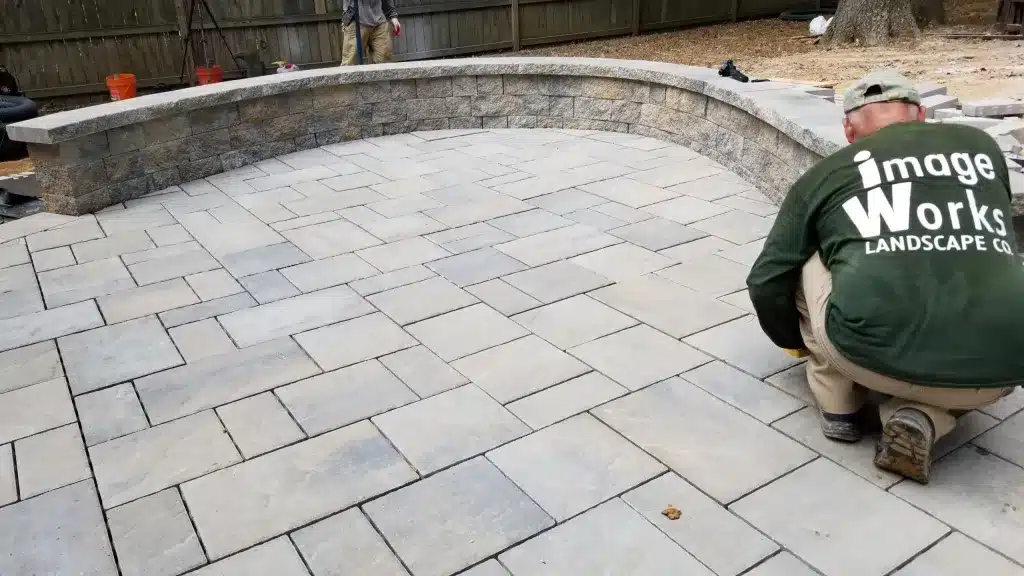
Another strong option is a wall that supports a patio extension or seating area. Homeowners often want more usable space for entertaining, grilling, or relaxing outside, but a sloped yard can make that difficult. A retaining wall can create the level base needed for a paver patio, fire pit area, or outdoor dining space. This is one of the most valuable upgrades because it combines function and curb appeal. It also tends to support larger project budgets, which is useful if you are planning a $3,000-plus landscape improvement and want the work to deliver visible results.
A third idea is using a retaining wall to define garden beds along the slope. This works especially well when the yard has mature trees or partial shade, which is common in Clifton and surrounding communities. Raised beds can improve drainage around plants, reduce soil compaction, and make maintenance easier. For homeowners who want a lower-maintenance landscape, this can be a smart alternative to trying to grow turf on a steep incline. In some cases, a retaining wall paired with lawn installation on the flatter sections of the yard creates the best balance between beauty and practicality.
Finally, many homeowners choose a retaining wall as part of a drainage solution. If your yard gets soggy after storms or water drains toward the foundation, the wall can be designed with proper backfill, gravel, and drainage pipe to redirect water safely. This is especially important in Northern Virginia, where heavy rain events can overwhelm poorly graded yards. A wall without drainage is a short-term fix. A wall built with drainage in mind is a long-term investment.
H2: Materials, Design Choices, and What They Mean for Cost
Material choice has a big impact on both the look and the price of a retaining wall. Concrete block is one of the most common choices because it is durable, versatile, and available in styles that can look clean and modern or more natural and textured. For many homeowners, it offers the best balance of appearance and performance. Natural stone is another popular option, especially in higher-end neighborhoods or properties where the wall needs to blend into a wooded setting. Stone can look beautiful, but it usually costs more because it takes more labor and skill to install.
Timber walls are sometimes used for smaller projects, but they are generally less durable than block or stone in the long run. In Northern Virginia, where moisture and freeze-thaw cycles can affect materials over time, many homeowners prefer masonry-style solutions that hold up better. If the wall is tall or must support a significant load, engineering and reinforcement become more important than the decorative finish. That means the project cost is influenced not just by the material, but also by the height, length, access to the site, and how much excavation is needed.
Labor is often a major part of the total price. A simple wall in an open backyard is much easier to build than a wall on a tight lot with limited equipment access, mature trees, or existing drainage problems. In Burke and Fairfax Station, some properties have slopes that require careful grading and soil removal before the wall can even begin. If the project includes a patio, steps, lighting, or lawn installation, the budget will rise accordingly, but the finished result is usually much more useful and attractive.
For homeowners trying to decide whether to move forward, the best question is not “How much does a wall cost?” but “What problem am I solving, and what will the wall add to the property?” A retaining wall that prevents erosion, improves drainage, and creates a patio-ready space may be worth far more than a purely cosmetic upgrade. That is why experienced retaining wall contractors northern virginia should provide a plan that explains materials, drainage, and long-term value instead of just giving a quick price.
H2: How Retaining Walls Improve Drainage, Safety, and Yard Usability
Drainage is one of the biggest reasons homeowners invest in retaining walls, even if they first think they want the wall for appearance. On a sloped property, water naturally follows the path of least resistance. Without a proper barrier and drainage system, that water can cut channels through mulch, wash away topsoil, and collect in low areas near the home. In some cases, it can even contribute to basement moisture issues or damage to hardscapes. A retaining wall helps slow and control that movement, especially when it is paired with the right drainage materials behind the wall.
Safety is another major benefit. Steep slopes can be difficult for children, older adults, and pets to navigate. They can also make mowing and routine maintenance more dangerous. A retaining wall can flatten part of the yard and create safer transitions between levels. This is especially useful in homes where the backyard is used often for family gatherings, play areas, or outdoor entertaining. Instead of avoiding the slope, you can turn it into a more manageable layout.
The usability factor is often what convinces homeowners to invest in a larger project. A sloped yard may look large on paper, but if most of it cannot be used, the property does not function the way the owner wants. By building a wall and regrading the surrounding space, you can create room for a patio, a level lawn, a garden, or even a small outdoor lounge. In many Northern Virginia homes, this is the difference between a yard that is simply there and a yard that becomes part of daily life.
This is also where professional planning matters most. A retaining wall should not be treated as an isolated structure. It should be part of a bigger landscape strategy that considers downspouts, surface runoff, soil type, and how the finished space will be used. If your goal is to combine a retaining wall with drainage improvements and lawn installation, the design should support all three. That is the kind of project that tends to deliver the strongest return for homeowners in Burke, Clifton, and Fairfax Station.
H2: Local Northern Virginia Considerations Homeowners Should Not Ignore
Northern Virginia properties come with a few challenges that make retaining wall planning more important than it might be in flatter regions. The first is soil. Much of the area has clay-heavy soil that can hold water and become unstable when saturated. That means a wall needs proper base preparation, backfill, and drainage to perform well over time. A wall built without those details may look fine at first but start leaning, cracking, or shifting after a few seasons of heavy rain and freeze-thaw cycles.
The second consideration is lot layout. In Burke, Clifton, and Fairfax Station, many homes sit on established lots with mature trees, existing patios, or older grading patterns. That can make access more difficult and influence the design. A contractor may need to work around tree roots, protect nearby structures, or build in phases to avoid disturbing too much of the yard at once. These site conditions affect both cost and scheduling, which is why local experience matters so much.
The third consideration is neighborhood appearance and property value. Homeowners in these communities often want improvements that look intentional and fit the home’s architecture. A retaining wall should feel like part of the landscape, not a patch added after the fact. That is why material selection, wall height, edge details, and plantings all matter. In many cases, a retaining wall looks best when it is paired with complementary features like a paver patio, steps, or refreshed lawn installation. Together, those upgrades create a finished outdoor space that adds real value.
If you are comparing retaining wall contractors northern virginia, ask how they handle drainage, what they recommend for your specific slope, and whether they have experience with similar properties in your area. The right contractor should be able to explain why one wall design is better than another for your yard, not just sell you a standard solution. That local knowledge is often what separates a wall that lasts from one that becomes a problem.
H2: Homeowner Decision Checklist Before You Build
Before you commit to a retaining wall project, it helps to slow down and evaluate the full picture. A wall is a substantial investment, and the best results come from making sure the project solves the right problem in the right way. Use this checklist to think through your options before you hire a contractor or approve a design.
– Do you have erosion, runoff, or pooling water after storms?
– Is the slope preventing you from using part of your yard?
– Do you want to add a patio, seating area, or garden beds?
– Is the wall mainly decorative, or does it need to hold back significant soil?
– Are there trees, utilities, or access limitations that could affect the build?
– Do you need drainage improvements along with the wall?
– Are you planning lawn installation or other landscape upgrades at the same time?
– Do you want a short-term cosmetic fix or a long-term structural solution?
– Have you compared multiple design options and material types?
– Does the contractor understand local Northern Virginia soil and grading conditions?
If you answered yes to several of these questions, it may be time to move forward with a professional design consultation. On the other hand, if the slope is minor and the issue is mostly cosmetic, you may be able to delay the project until you are ready to combine it with other work. Many homeowners choose to bundle retaining walls with patios, drainage improvements, and lawn installation because the combined project is more efficient and creates a more complete result. That approach often makes sense when the total investment is expected to be in the $3,000-plus range and the goal is to improve the property in a meaningful way.
Why Choose Image Works Landscaping: Image Works Landscaping helps Northern Virginia homeowners turn difficult slopes into usable, attractive outdoor spaces. Our team understands the challenges of local terrain, drainage, and soil conditions in Burke, Clifton, Fairfax Station, and surrounding communities. We focus on practical, well-built solutions that support long-term performance, whether your project includes a retaining wall, patio, drainage improvements, or lawn installation. Homeowners choose us because we listen carefully, design with the property in mind, and deliver work that is meant to last.
Conclusion: If your sloped yard is causing erosion, limiting how you use your outdoor space, or creating drainage headaches, a retaining wall may be the right next step. The best retaining wall ideas for sloped yards in Burke, Clifton, and Fairfax Station are the ones that solve real homeowner problems while improving the look and function of the property. Whether you need terracing, a patio support wall, garden bed walls, or a drainage-focused solution, the key is working with experienced retaining wall contractors northern virginia who understand the local landscape and can build a plan around your goals. If you are ready to improve your yard with a lasting solution, Image Works Landscaping is here to help you design and build the right project for your home.