
Quick Answer: If your Burke, Clifton, or Fairfax Station backyard slopes, the right retaining wall can create usable space, control erosion, and improve drainage at the same time. The best results usually come from a design that matches your yard’s grade, soil conditions, and long-term plans for patios, lawn space, or outdoor living.
For homeowners comparing options, working with a retaining wall contractor northern virginia is the safest way to avoid costly drainage mistakes, wall failure, and uneven settling. In Northern Virginia, the most successful projects are usually custom-built, site-specific solutions rather than one-size-fits-all walls.
Sloped backyards are common throughout Burke, Clifton, and Fairfax Station, and while they can look beautiful, they often create real problems for homeowners. Water runs downhill, grass struggles to grow evenly, and usable yard space can feel limited or awkward. A well-designed retaining wall does more than hold soil in place. It can turn a difficult slope into a functional outdoor space for a patio, play area, garden bed, or level lawn. For many homeowners, it becomes the foundation for a larger landscape upgrade that adds both enjoyment and property value.
If you are thinking about a retaining wall, the most important step is not choosing the prettiest block or stone first. It is understanding how your yard behaves during heavy rain, where water collects, how steep the slope is, and what you want the space to do for your family. In Northern Virginia, those details matter because clay-heavy soil, seasonal storms, and mature tree roots can all affect how a wall performs over time. The right retaining wall contractor northern virginia homeowners trust will look at the full picture, not just the visible slope.
Why Sloped Backyards Need More Than a Simple Wall
Many homeowners assume a retaining wall is just a way to stop dirt from sliding downhill, but in a sloped backyard, the real job is much bigger. A wall has to manage pressure from the soil behind it, handle water movement, and fit naturally into the rest of the landscape. If any of those pieces are ignored, the wall may crack, lean, or fail prematurely. That is why the best retaining wall ideas for Burke, Clifton, and Fairfax Station start with function first and appearance second.
In neighborhoods with rolling lots and wooded properties, a slope can create several recurring issues. Rainwater may wash mulch and topsoil away after every storm. A backyard that looks large on paper may feel nearly unusable because the grade makes it hard to place furniture, install a patio, or create a level lawn. Families with kids or pets often want a flatter area for everyday use, and a retaining wall can help carve that out. In many cases, it also supports other improvements like drainage corrections, patio construction, or lawn installation, which is why these projects often become larger than homeowners initially expect.
Another reason sloped backyards need a thoughtful approach is that the wall is only one part of the system. Proper base preparation, drainage stone, perforated pipe, and backfill all help the wall perform under pressure. In Northern Virginia, where freeze-thaw cycles and heavy seasonal rain can stress outdoor structures, skipping those details is risky. A wall that looks fine on day one can start showing problems after one wet season if the drainage is not designed correctly. That is why homeowners should think of a retaining wall as a long-term investment in the yard, not just a cosmetic upgrade.
Retaining Wall Ideas That Work Well in Burke, Clifton, and Fairfax Station
One of the most practical retaining wall ideas for sloped backyards is a tiered or terraced design. Instead of building one tall wall, the slope is broken into multiple smaller levels. This approach can create planting beds, reduce visual bulk, and make the yard feel more natural. It is especially useful on larger lots in Clifton and Fairfax Station, where homeowners often want to preserve the wooded feel of the property while still gaining usable space. Terraced walls also give you more flexibility if you want to add shrubs, perennials, or a small lawn area between levels.
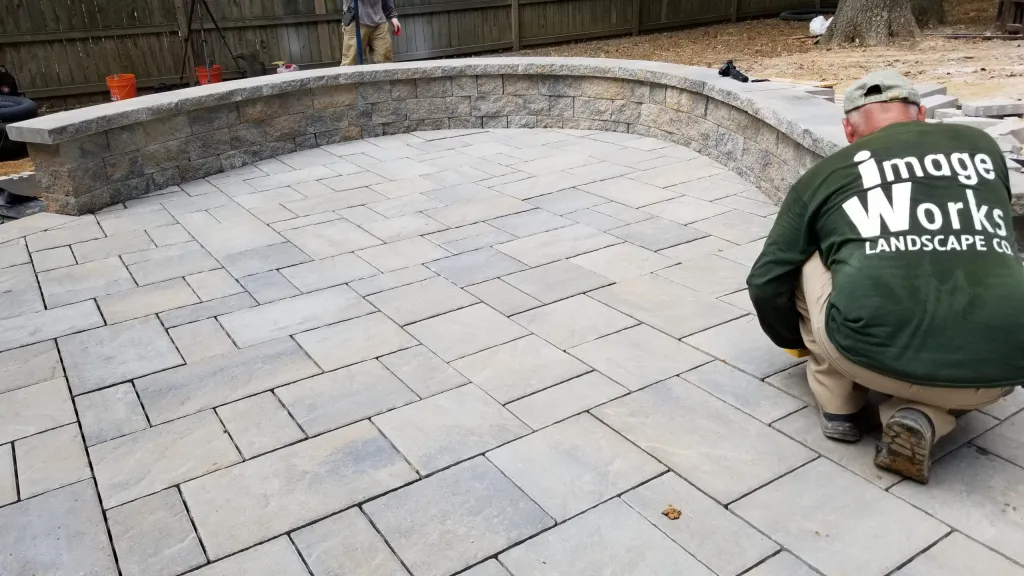
Another strong option is a wall that supports a patio or outdoor living area. In many Burke and Fairfax Station homes, the backyard slope makes it difficult to create a flat gathering space without excavation and support. A retaining wall can hold back the higher grade and allow a patio to sit at a comfortable, level elevation. This is a smart choice for homeowners who want a space for grilling, dining, or entertaining without constantly dealing with muddy runoff or uneven ground. When paired with drainage improvements, a patio and retaining wall combination can dramatically improve how the backyard functions.
For homeowners who want a more natural look, boulder walls or stone-faced walls can blend beautifully into wooded Northern Virginia properties. These options work especially well when the goal is to stabilize a slope while keeping the landscape soft and organic. On the other hand, segmental block walls offer a clean, durable look that fits many suburban homes and can be engineered for a wide range of heights. The best choice depends on the style of the home, the steepness of the slope, and whether the wall needs to support a patio, lawn, or garden above it. A skilled retaining wall contractor northern virginia residents rely on can help compare these options based on both appearance and performance.
How to Choose the Right Retaining Wall Material
The material you choose affects cost, appearance, maintenance, and how long the wall lasts. Concrete block retaining walls are one of the most common choices because they are versatile, durable, and can be designed to match many home styles. They are often a strong option for homeowners who want a clean, structured look and need a wall that can handle real pressure from soil and water. For many projects, this is the most practical balance of strength and value.
Natural stone walls tend to cost more, but they can create a high-end look that works well in established neighborhoods and wooded settings. In areas like Clifton and Fairfax Station, where homeowners often care about preserving a natural landscape feel, stone can be a beautiful fit. The tradeoff is that natural stone can require more labor and a more experienced crew, which increases the total project cost. For some properties, that investment is worth it because the wall becomes a major visual feature of the yard.
Timber walls are usually less expensive upfront, but they are not always the best long-term choice for Northern Virginia conditions. Moisture, insects, and soil movement can shorten their lifespan compared with block or stone. Homeowners sometimes choose timber for smaller garden beds or temporary solutions, but for a structural wall on a sloped backyard, it is often better to invest in a more durable material. The right material should match the wall’s purpose, not just the budget. If the wall is supporting a patio, creating a level lawn, or holding back a significant slope, durability should be a top priority.
Cost Factors Homeowners Should Expect Before Starting
Retaining wall pricing can vary widely because no two sloped backyards are exactly alike. The biggest cost factors usually include wall height, total length, material choice, site access, drainage requirements, and how much excavation is needed. A small decorative wall may be relatively straightforward, but a structural wall on a steep Burke or Fairfax Station lot can require significant grading, equipment access, and engineered construction methods. That is why homeowners should be cautious about comparing only square-foot pricing without understanding the full scope.
Labor is often a major part of the total cost, especially when the site is tight, wooded, or difficult to access with machinery. In Northern Virginia, many backyards have mature trees, narrow side yards, or slopes that make material delivery and excavation more complicated. Drainage also adds cost, but it is one of the most important investments you can make. A properly installed drain pipe, gravel backfill, and outlet system help protect the wall and the surrounding yard from water pressure. Skipping those pieces to save money can lead to expensive repairs later.
Homeowners should also think about the project as part of a larger landscape plan. If the retaining wall is going to support a patio, improve drainage, or create a level area for lawn installation, the overall value of the project often goes beyond the wall itself. Many of the best projects in Burke, Clifton, and Fairfax Station are bundled improvements, where the retaining wall becomes the backbone for a more complete outdoor transformation. That can make the project more cost-effective in the long run because the crew is already grading, excavating, and shaping the yard once instead of returning multiple times for separate jobs.
Local Northern Virginia Considerations That Affect Wall Design
Northern Virginia properties come with specific conditions that should shape every retaining wall project. Soil in this region often contains a mix of clay and compacted subsoil, which can hold water longer than homeowners expect. When heavy rain hits, that water needs somewhere to go. If it is trapped behind a wall, pressure builds quickly. That is why drainage design is not optional in Burke, Clifton, and Fairfax Station. It is one of the main reasons a wall lasts for years instead of failing after a few seasons.
Another local factor is the variety of lot sizes and grades. Some homes have broad, open backyards with gentle slopes, while others sit on steeper, more wooded terrain. In older neighborhoods, access can be limited by fences, mature landscaping, or existing hardscapes. In newer areas, the slope may be part of a larger drainage pattern that affects more than one part of the yard. A local contractor should understand how to work with these conditions instead of forcing a standard design onto every property. That is especially important if the wall needs to tie into a patio, walkway, or existing lawn area.
Seasonal weather matters too. Freeze-thaw cycles can shift poorly built walls, and spring storms can expose drainage weaknesses quickly. Homeowners in Fairfax Station and Clifton often want outdoor spaces that look good year-round, but the structure has to perform in wet weather first. A retaining wall contractor northern virginia homeowners choose should know how to build for local conditions, not just for curb appeal. That local knowledge helps prevent common problems like bulging, settling, and water pooling at the base of the wall.
When to Hire a Retaining Wall Contractor and When to Wait
Some retaining wall projects are simple enough to plan right away, while others should be delayed until the site is properly evaluated. If your slope is causing erosion, flooding, or making the yard unusable, it is usually better to move forward sooner rather than later. Waiting can allow runoff to worsen, damage nearby landscaping, or create more grading problems. If you already know you want a patio, lawn installation, or outdoor living area, the wall should be designed as part of that larger plan from the start.
On the other hand, if you are unsure whether the slope truly needs a structural wall, it is smart to get a professional assessment before spending money. Some yards may only need regrading, improved drainage, or a smaller decorative wall. Others may require a taller engineered wall with proper reinforcement. Homeowners sometimes delay because they are trying to avoid a large project, but that can backfire if the slope continues to erode or water keeps moving toward the house. A consultation can help you understand whether the project is urgent or can be phased over time.
It is also worth waiting if you plan to redo multiple parts of the yard and want them coordinated correctly. For example, if you are considering a retaining wall, patio, and new lawn installation, it is usually better to design them together instead of piecing them out separately. That approach can save time, reduce rework, and create a more polished final result. For many homeowners, the best decision is not whether to build a wall, but when to build it so the rest of the landscape can be done right the first time.
Homeowner Decision Checklist
- Is water pooling, washing away mulch, or eroding soil after rain?
- Do you want a flatter area for a patio, seating space, play area, or lawn?
- Is the slope too steep for safe or practical use?
- Will the wall need to support a significant amount of soil or a future hardscape?
- Have you considered drainage, not just the wall material?
- Do you want the project to improve both function and curb appeal?
- Are you planning other upgrades like patio construction or lawn installation?
- Does your property have limited access, mature trees, or other site challenges?
- Do you want a long-term solution instead of a temporary fix?
- Have you compared the cost of doing the project once versus repairing erosion later?
Why Homeowners Choose Image Works Landscaping
Image Works Landscaping understands that a retaining wall is rarely just a retaining wall. For most homeowners, it is part of a bigger goal: making the backyard more usable, more attractive, and easier to maintain. That is why our approach focuses on the full landscape, including grading, drainage, patios, lawn installation, and the long-term performance of the finished space. When we evaluate a sloped backyard, we look at how the whole property works, not just where the wall will sit.
Homeowners in Burke, Clifton, and Fairfax Station choose Image Works Landscaping because they want a team that understands local conditions and builds with those conditions in mind. We know how Northern Virginia soil, rainfall, and lot layouts affect retaining wall design. We also understand that homeowners want clear communication, practical recommendations, and a finished result that feels like a real upgrade to the property. Whether the project is a tiered wall, a patio-supporting wall, or a drainage-focused landscape solution, we aim to create work that looks good and performs well over time.
Just as important, we help homeowners make smart decisions about budget and scope. Some projects are best handled in phases, while others should be completed all at once to avoid future disruption. Our goal is to help you invest in the right solution for your yard, not the most expensive one. If you are looking for a retaining wall contractor northern virginia homeowners can trust for thoughtful planning and quality workmanship, Image Works Landscaping is ready to help.
Conclusion: Turn a Sloped Backyard Into a Better Outdoor Space
A sloped backyard does not have to stay difficult to use. With the right retaining wall design, you can control erosion, improve drainage, and create space for a patio, lawn, or garden that fits your lifestyle. In Burke, Clifton, and Fairfax Station, the best projects are built around the property’s natural grade and the homeowner’s long-term goals, not a one-size-fits-all template. That is why choosing an experienced retaining wall contractor northern virginia homeowners can rely on makes such a difference.
If your backyard is starting to feel like a problem instead of a place to enjoy, now is the time to explore your options. Image Works Landscaping can help you evaluate the slope, understand the costs, and design a retaining wall solution that improves both function and curb appeal. Contact us today to start planning a smarter, stronger backyard transformation.
FAQs
How do I know if my sloped backyard needs a retaining wall?
If you are seeing erosion, runoff, pooling water, or a slope that makes the yard hard to use, a retaining wall may be the right solution. A professional can help determine whether you need a structural wall, a drainage fix, or a combination of both.
What affects the cost of a retaining wall in Northern Virginia?
The biggest cost factors are wall height, length, material, drainage needs, excavation, and site access. Steeper lots, tight access, and projects that support patios or other hardscapes usually cost more because they require more labor and planning.
Can a retaining wall help with drainage problems?
Yes, but only if it is designed correctly with proper drainage behind the wall. Without gravel backfill, drain pipe, and a plan for moving water away, the wall can actually make drainage problems worse.
What is the best retaining wall material for Burke, Clifton, and Fairfax Station homes?
Concrete block is a popular choice for durability and value, while natural stone offers a more high-end look. The best material depends on the slope, the style of your home, and whether the wall needs to support a patio or other features.
Should I build a retaining wall before or after a patio?
In most cases, it is better to design the retaining wall and patio together. That way, the grading, drainage, and elevations can all be planned correctly from the start, which helps avoid rework later.
How long does a retaining wall project usually take?
Timelines vary based on size, weather, and site conditions, but many residential projects take several days to a couple of weeks. Larger walls, drainage work, and integrated patio or lawn installation projects can take longer.