

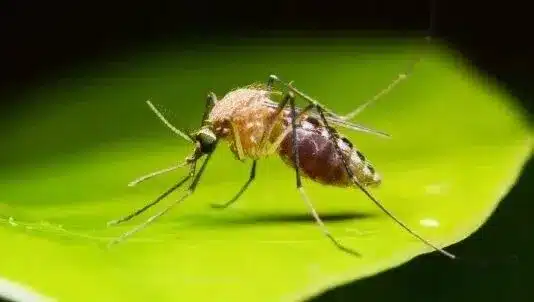
Quick Answer: The best way to reduce mosquito, flea, and tick pressure in Northern Virginia is to remove standing water, keep grass and shrubs trimmed, improve drainage, and address shaded, damp areas where pests breed and hide. If your yard has recurring moisture problems, dense landscaping, or heavy use by kids and pets, professional mosquito flea tick control Northern Virginia services can make a major difference before peak season hits.
If you live in Northern Virginia, you already know how quickly a beautiful yard can turn into a pest problem once warm, humid weather settles in. Mosquitoes, fleas, and ticks thrive in the same conditions homeowners love for outdoor living: shaded patios, thick planting beds, overgrown edges, and damp lawn areas after spring rain. That means the same yard features that make your property feel private and inviting can also create ideal pest habitat. For families in Annandale, Arlington, Alexandria, Fairfax, Vienna, Reston, Herndon, Springfield, Burke, Lorton, and nearby communities, preparing early is the difference between enjoying the season and avoiding the backyard altogether.
At Image Works Landscaping, we see this every year. Homeowners often call after the problem is already obvious: pets bringing ticks inside, kids getting mosquito bites after dinner on the patio, or fleas showing up in shaded lawn areas where the grass stays damp. The good news is that a well-planned landscape can dramatically reduce pest pressure. In many cases, the most effective solution is not just spraying, but improving the yard itself through drainage work, lawn renovation, retaining walls, grading, and smarter planting choices. This guide explains how to prepare your yard for peak pest season, what to fix first, and when it makes sense to invest in professional mosquito flea tick control Northern Virginia homeowners can rely on.
Why mosquito, flea, and tick pressure gets worse in Northern Virginia yards
Northern Virginia has the kind of climate that pests love: warm summers, frequent rain, humid air, and plenty of shaded residential landscapes. Mosquitoes breed in standing water, which can collect in low spots, clogged drains, birdbaths, planters, gutter runoff areas, and even compacted lawn depressions. Fleas often become a problem where pets spend time, especially in shaded areas with leaf litter, dense groundcover, or wildlife activity. Ticks are especially common in transitional zones where lawn meets woods, tall ornamental grasses, brush, or unmanaged edges. In neighborhoods near tree lines, stream corridors, or older lots with mature landscaping, these conditions can exist right outside the back door.
What makes this especially frustrating for homeowners is that pest pressure is not always tied to a dirty or neglected yard. A property can look beautiful and still have hidden conditions that support pests. For example, a well-maintained lawn in Fairfax Station may still have a mosquito issue if the backyard slopes toward a low area that holds water after storms. A home in Arlington or Alexandria with a compact urban lot may have ticks near the fence line if the planting beds are thick and shaded. In Reston or Herndon, a yard with mature trees and dense mulch can stay cool and moist long after rain, creating a perfect environment for fleas and ticks. Understanding these patterns is the first step in choosing the right fix.
For many homeowners, the biggest mistake is waiting until peak season to react. By then, the pests are already established, and the yard conditions that support them are still in place. A better approach is to treat pest control as part of overall landscape health. That means looking at drainage, mowing height, bed maintenance, pruning, and hardscape placement together. When those elements are addressed early, mosquito flea tick control Northern Virginia services become more effective and often more cost-efficient because the property is no longer working against the treatment.
Start with water: the most important step for mosquito control
If you want to reduce mosquitoes, start by looking for water. Mosquitoes can breed in surprisingly small amounts of standing water, and in Northern Virginia, that water often appears after spring storms or irrigation cycles. Check downspouts, clogged gutters, low lawn spots, French drains, decorative containers, tarps, children’s toys, and areas where patio runoff collects. Even a shallow puddle that lasts a few days can become a breeding source. Homeowners are often surprised to learn that a yard does not need a pond or wetland to support mosquitoes; a poorly drained corner behind a retaining wall or a settled area near a patio can be enough.
This is where landscape improvements can have a major impact. If your lawn has recurring wet spots, the problem may be grading, compacted soil, or poor drainage rather than just excess rain. In some cases, a simple fix like extending downspouts or clearing a blocked drain helps. In others, the solution may involve a more substantial project such as regrading, installing a drainage system, or adding a retaining wall to redirect water away from living spaces. These are not cosmetic upgrades; they directly affect how much moisture stays on the property and how attractive the yard is to mosquitoes. For homeowners in Springfield, West Springfield, Newington, and Woodbridge, where clay-heavy soils and runoff issues are common, drainage improvements can be one of the smartest long-term investments.
Cost is an important part of the decision. Small drainage corrections may be relatively affordable, while larger grading or drainage projects can become a $3,000 to $10,000+ improvement depending on the site conditions and scope. That said, if you are already fighting mosquitoes every season, the cost of repeated treatments, unusable outdoor space, and the frustration of constant bites can add up quickly. A drainage fix may not only reduce mosquito pressure but also protect your lawn, prevent erosion, and improve the look and function of the yard. For many homeowners, that makes it a better value than relying on short-term pest control alone.
Trim the places pests hide: grass, shrubs, and shaded edges
Fleas and ticks are less about open sunny lawn and more about the hidden edges of a property. Tall grass, overgrown shrubs, leaf piles, and dense groundcover create cool, moist microclimates where pests can survive. If your yard borders woods, a common issue in places like Burke, Clifton, Oakton, Vienna, and Fairfax Station, the transition zone between lawn and natural area often becomes the main hotspot. The same is true for homes with narrow side yards, thick foundation plantings, or backyard privacy screens made from dense shrubs. These areas may look attractive, but if they are not managed carefully, they can become prime pest habitat.
Regular trimming makes a bigger difference than many homeowners expect. Keeping grass at the proper height, thinning out overgrown shrubs, and removing leaf litter reduces the shelter pests need. It also makes professional mosquito flea tick control Northern Virginia treatments more effective because spray or barrier applications can reach the right surfaces. If your landscape has been allowed to get dense over several seasons, a cleanup may be the first step before any treatment plan can work well. This is especially true for homes with pets or children who use the yard daily. A dog running through a shaded bed edge or a child playing near a fence line can pick up fleas or ticks even if the main lawn looks healthy.
There is also a practical cost consideration here. Routine trimming and cleanup are relatively low-cost compared with major landscape reconstruction, but they require consistency. If you are already paying for lawn care, it may be worth asking whether the service includes pest-prone edge management, bed cleanup, and seasonal pruning. If not, homeowners sometimes find themselves spending more later on pest treatments because the underlying habitat was never corrected. In many cases, a one-time landscape cleanup followed by regular maintenance is the most efficient path. For properties with severe overgrowth, however, a larger renovation may be justified, especially if you are already planning patio work, lawn installation, or new planting beds.
Use hardscape and drainage upgrades to make the yard less pest-friendly
One of the most effective long-term strategies for pest reduction is to redesign parts of the yard so they do not hold moisture or create dense hiding places. This is where patios, retaining walls, drainage systems, and lawn installation can do more than improve curb appeal. They can also change the environment in a way that makes mosquitoes, fleas, and ticks less likely to thrive. For example, a properly built patio with good runoff management is far less likely to collect puddles than a low, settling lawn area. A retaining wall can help control slope and redirect water. A new lawn installation with corrected grading can eliminate the soggy depressions where mosquitoes breed after rain.
This matters because many homeowners are not just trying to solve a pest issue for one season. They want a backyard they can actually use. If your family avoids the patio every summer evening because mosquitoes are bad, or if your dog keeps bringing ticks into the house, the real problem may be the yard design itself. In those cases, a larger project may be the right answer. A homeowner in Alexandria might choose to replace a worn, uneven backyard with new sod, improved drainage, and a small patio extension. A family in Reston might combine a retaining wall with grading correction to stop water from pooling near a play area. In Fairfax or Arlington, a compact yard may benefit from hardscape zones that reduce the amount of damp, shaded turf and make maintenance easier.
These projects are often in the $3,000+ range and can go much higher depending on size, materials, and site complexity. That is why it is important to think beyond the immediate pest problem and ask what will make the yard healthier for the long term. If the issue is mild, seasonal maintenance may be enough. If the issue is recurring and tied to drainage, slope, or poor layout, a landscape improvement can be the more cost-effective choice over time. The best mosquito flea tick control Northern Virginia homeowners can invest in often starts with the yard itself, not just a treatment applied on top of it.
Cost and pricing considerations before peak season
Homeowners often want to know whether it is better to spend money on pest control treatments or on landscape improvements. The answer depends on the source of the problem. If your yard only has mild seasonal pressure, a targeted mosquito control program may be enough. But if pests are being driven by drainage issues, thick vegetation, or poor site design, then treatment alone can become an ongoing expense without solving the root cause. That is why it helps to evaluate both short-term and long-term costs before peak season arrives.
Basic seasonal pest control services are usually less expensive upfront than landscape construction, but they may need to be repeated throughout the season. On the other hand, drainage corrections, grading, retaining walls, or lawn replacement require a larger initial investment but can improve the yard for years. The right choice depends on the condition of your property. For example, if your backyard in Sterling or Woodbridge has a low area that stays wet every spring, a drainage project may save you money over time by reducing mosquito breeding and preventing lawn damage. If your property in Vienna or Falls Church has dense beds and a shaded fence line, a cleanup and pruning plan may be enough to reduce flea and tick pressure without major construction.
Labor, materials, and access all affect pricing. A narrow side yard, steep slope, or property with limited equipment access can increase the cost of drainage or hardscape work. Material choices matter too: natural stone, pavers, sod quality, and drainage components all influence the final budget. Homeowners should also consider the hidden cost of waiting. If a wet area kills turf, erodes soil, or damages plantings, the eventual repair bill may be higher than addressing the issue early. For many Northern Virginia homeowners, the smartest move is to get a professional assessment before peak season so they can decide whether a seasonal treatment, a cleanup, or a larger landscape project offers the best return.
Local Northern Virginia considerations that change the plan
Northern Virginia is not one uniform market, and that matters when planning pest prevention. In older neighborhoods like Arlington, Alexandria, and Falls Church, smaller lots and mature trees often mean more shade, tighter access, and more moisture retention near foundations and fences. In suburban areas like Fairfax, Reston, Herndon, and Vienna, larger yards may have drainage issues, slope changes, and extensive planting beds that create hidden pest zones. In communities closer to wooded areas such as Clifton, Oakton, Burke, Fairfax Station, and Lorton, the edge between lawn and natural space can become the main source of ticks and fleas. In places like Woodbridge, Newington, Springfield, and West Springfield, soil conditions and runoff patterns can make standing water and soggy turf more common after storms.
That means the same treatment plan will not work equally well everywhere. A homeowner in Annandale may need a combination of trimming, bed cleanup, and mosquito treatment around a patio. A homeowner in Reston may need drainage correction near a lower backyard section. A homeowner in Alexandria may benefit from a reworked planting layout that improves airflow and reduces shaded dampness. The local climate also means timing matters. Spring cleanup should happen before the first major warm-up, and any drainage or lawn work should be planned early enough to help before the heaviest mosquito and tick activity begins. Waiting until midsummer often means you are already behind.
Another local factor is how homeowners use their yards. Northern Virginia families often invest in outdoor living spaces, from patios and fire features to play areas and garden beds. Those spaces are worth protecting. If your backyard is supposed to function as an extension of your home, then pest prevention should be part of the design and maintenance plan. That is why Image Works Landscaping looks at the whole property, not just the symptom. We help homeowners identify whether the best next step is a cleanup, a lawn installation, a drainage improvement, or a larger hardscape project that supports both comfort and long-term pest reduction.
Homeowner decision checklist for mosquito, flea, and tick season
- Check for standing water after rain in low spots, containers, gutters, and around downspouts.
- Look for shaded, overgrown areas where grass, shrubs, or groundcover stay damp.
- Inspect the lawn edge near woods, fences, and planting beds for tick-friendly habitat.
- Notice whether pets are bringing fleas or ticks inside after spending time outdoors.
- Evaluate whether the problem is seasonal or happens every year in the same spots.
- Decide whether cleanup alone is enough or if drainage, grading, or lawn repair is needed.
- Consider whether you are planning a patio, retaining wall, or lawn installation this year.
- Act before peak summer heat, when pest populations and yard stress are both highest.
If you checked more than two or three of these items, it may be time to move beyond simple maintenance. Repeated pest problems usually point to a landscape condition that needs attention. The sooner you identify it, the easier and more affordable it is to fix.
Why homeowners choose Image Works Landscaping
Image Works Landscaping is more than a mowing or cleanup crew. We help Northern Virginia homeowners improve the actual conditions that make yards uncomfortable to use. That means looking at drainage, grading, lawn health, planting density, and outdoor living features together. When a property has recurring mosquito, flea, or tick pressure, we focus on the landscape factors that keep pests coming back. In many cases, that leads to better results than relying on temporary treatments alone.
Homeowners choose us because we understand local properties and the way Northern Virginia yards behave through the seasons. We work with clients who need practical solutions, not generic advice. Whether the right answer is a drainage correction, a retaining wall, a new lawn installation, or a patio project that improves runoff and usability, we build plans around the real conditions on your property. That approach is especially valuable for homeowners considering larger projects in the $3,000+ range, where the goal is not just to solve a pest issue but to improve the whole backyard experience.
We also know that trust matters. You want a contractor who can explain what is causing the problem, what the options are, and which improvements will actually make a difference. Our team takes that seriously. If you are comparing short-term pest control with a longer-term landscape solution, we can help you understand the tradeoffs and make a decision that fits your property, budget, and goals.
Prepare now so you can enjoy your yard all season
Peak mosquito, flea, and tick season does not have to mean avoiding your own backyard. With the right preparation, you can reduce pest pressure, protect your family and pets, and make your outdoor space much more enjoyable. The key is to start early and look at the whole property, not just the insects you can see. Remove standing water, trim overgrowth, improve drainage, and address shaded, damp areas before the season gets into full swing. If the problem keeps returning, it may be time to invest in a more permanent landscape solution that changes the conditions pests depend on.
If you are searching for mosquito flea tick control Northern Virginia homeowners can trust, Image Works Landscaping is ready to help. We serve Annandale, Arlington, Alexandria, Franconia, Kingstowne, Fairfax, Fairfax Station, Falls Church, Oakton, Vienna, Union Mill, Newington, Springfield, West Springfield, North Springfield, Burke, Lorton, Clifton, Reston, Herndon, Sterling, Woodbridge, and surrounding communities. Contact us today to discuss your yard, your goals, and the best next step for a healthier, more usable outdoor space.