

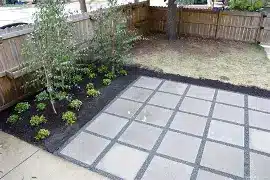
Quick Answer: In Fairfax, VA, a paver patio typically costs between $18 and $40 per square foot in 2026, with many homeowner projects landing between $6,000 and $20,000 depending on size, materials, and site conditions. If your yard needs grading, drainage improvements, retaining walls, or demolition of an old patio, the total can be higher. For homeowners searching for paver patio cost Fairfax VA, the best estimate comes from a site visit because Northern Virginia properties often have unique slope, soil, and access challenges.
If you are planning a patio in Fairfax, you are probably trying to figure out more than just a square-foot price. You want to know what your money actually gets, why one quote is much higher than another, and whether it makes sense to build now or wait until next season. That is exactly why this guide exists. The paver patio cost Fairfax VA homeowners pay can vary widely based on design complexity, base preparation, drainage, and the quality of the pavers themselves. In Northern Virginia, where many homes sit on sloped lots, clay-heavy soil, or tight side yards, the details matter just as much as the patio size. A well-built patio should do more than look good on day one. It should drain properly, stay level, and hold up through freeze-thaw cycles, heavy rain, and years of family use. Below, we break down real pricing factors, local considerations, and how to decide what makes sense for your home and budget.
What Is the Average Paver Patio Cost in Fairfax, VA?
For most homeowners in Fairfax, a professionally installed paver patio falls into a broad range because no two properties are the same. A smaller, straightforward patio with standard concrete pavers may start around $5,000 to $8,000. A mid-sized patio with upgraded pavers, a proper compacted base, and some edging or a simple seating area often lands between $8,000 and $15,000. Larger outdoor living spaces with curves, steps, drainage corrections, or integrated features can easily reach $15,000 to $30,000 or more. When people ask about paver patio cost Fairfax VA, the honest answer is that the final price depends on the scope of work, not just the square footage.
Homeowners are often surprised that labor and site preparation can make up a large portion of the total. In Northern Virginia, excavation, hauling away soil, and building a stable base are not optional extras. They are the foundation of a patio that lasts. If your yard has poor drainage, a slope, roots, or access limitations, the installation takes more time and equipment. That is why two patios of the same size can have very different prices. A simple 200-square-foot patio in a flat backyard may cost far less than a 200-square-foot patio in a narrow Fairfax lot that requires hand excavation and drainage adjustments.
It also helps to think in terms of value, not just cost. A properly installed patio can improve outdoor living, boost curb appeal, and make your backyard more usable for entertaining, grilling, and relaxing. For many homeowners, the right patio becomes one of the most-used spaces on the property. If you are planning to stay in your home for several years, investing in quality installation often makes more sense than choosing the cheapest bid and dealing with repairs later.
What Factors Affect Paver Patio Pricing?
The biggest factor in patio pricing is the size of the project, but size alone does not tell the full story. Material selection plays a major role. Standard concrete pavers are usually the most budget-friendly option, while premium pavers, natural stone accents, or custom patterns raise the price. Some homeowners want a simple, clean look that fits the home without overcomplicating the budget. Others want a more custom outdoor living space with borders, contrasting colors, or a herringbone layout. Those design choices add labor time and material cost, but they also create a more finished look.
Site conditions are just as important. Fairfax-area properties often have clay soil, drainage issues, or grading challenges that need to be addressed before the pavers go in. If water already pools near your foundation or the yard slopes toward the house, a patio project may need additional drainage solutions, such as regrading, channel drains, or tie-ins to existing drainage systems. These improvements increase the total cost, but they are often necessary to protect your investment. A patio built on a weak base or over poor drainage can settle, shift, or develop standing water, which leads to expensive repairs.
Labor and access also affect the final number. If equipment can easily reach the backyard, installation is more efficient. If the crew has to move materials through a side gate, over steps, or around landscaping, the job takes longer. Demolition of an existing patio, removal of old concrete, or working around retaining walls can also add cost. In some cases, homeowners decide to combine a patio project with a retaining wall, lawn installation, or drainage upgrade because it is more efficient to complete the work together. That can increase the project size, but it often improves the long-term performance and appearance of the entire yard.
How Patio Materials Change the Total Cost
Material choice is one of the easiest ways to influence your budget, but it should not be the only factor you consider. Basic concrete pavers are usually the most affordable and still offer a clean, durable finish. They come in many shapes and colors, so homeowners can create a polished look without overspending. For many Fairfax homes, this is the best balance of cost and performance, especially when the goal is to create a functional outdoor space for dining or relaxing.
Higher-end pavers can raise the total cost quickly. Larger-format pavers, textured finishes, and premium color blends often look more upscale and can complement newer homes or more custom landscaping designs. Natural stone patios tend to be the most expensive because of the material cost and the skill required to install them properly. They can be beautiful, but they are not always the best fit for every budget or every yard. If you are comparing estimates, make sure you are comparing similar materials, thicknesses, and installation methods. A lower bid may simply be using a thinner paver or leaving out important base work.
Homeowners should also think about maintenance and long-term performance. Some pavers are easier to replace if one becomes damaged, while others are chosen for their appearance and overall design impact. In Northern Virginia, where weather swings can be hard on outdoor surfaces, the right material should hold up to seasonal movement and still look good after years of use. If you are unsure which material makes sense, a local contractor can help you compare options based on your budget, style, and how you plan to use the patio.
Why Site Preparation Matters So Much in Northern Virginia
Site preparation is one of the most overlooked parts of patio pricing, but it is also one of the most important. In Fairfax and surrounding Northern Virginia communities, many backyards have drainage concerns, uneven grades, or heavy clay soil that does not drain well. If a patio is installed without proper excavation and base preparation, it may settle unevenly or trap water. That can lead to sinking pavers, shifting edges, and a surface that becomes frustrating to use. A patio should feel solid underfoot and shed water away from the home, not create new problems.
Good preparation usually includes excavation to the proper depth, installation of a compacted base, leveling, edging, and careful finishing. If the property has a slope, the contractor may need to adjust the grade or add a retaining wall to create a usable flat area. If water tends to collect in the yard, drainage improvements may be recommended before or during the patio build. These steps may not be visible once the project is complete, but they are what separate a patio that lasts from one that starts failing after a few seasons. Homeowners often ask why the base work costs so much when they cannot see it. The answer is simple: it is the part that determines whether the patio performs well over time.
This is especially important for homeowners planning larger outdoor living spaces. If you want to add a fire pit, seating wall, steps, or a transition to a lawn area, the patio needs to be designed as part of the whole yard, not as a standalone slab of pavers. That is why many projects in Fairfax are paired with drainage work, retaining walls, or lawn installation. When the entire space is planned together, the result is more functional and more attractive. It also reduces the chance of having to tear up finished work later to fix a grading or water issue.
How to Budget for a Patio Project Without Overspending
The best way to budget for a paver patio is to start with your goals, then match the design to your priorities. If you mainly want a place for a table and grill, a simple rectangular patio with standard pavers may be enough. If you want a full backyard gathering space, you may need to budget for a larger footprint, better drainage, and design features like borders, steps, or a seating wall. Knowing what matters most helps you spend money where it has the biggest impact. Many homeowners save by keeping the shape simple while upgrading the paver style or adding one focal feature instead of several.
It also helps to plan for the full project, not just the patio surface. Homeowners often forget to account for demolition, hauling, grading, permits if needed, and any surrounding work that affects the final look. If the patio connects to a lawn that is patchy or uneven, you may want to include lawn installation so the whole space feels finished. If runoff is already causing issues, drainage improvements should be part of the budget from the start. Trying to save money by skipping these steps can lead to higher costs later. A patio that looks affordable on paper may become expensive if it has to be repaired or reworked.
If your budget is tight, timing can also matter. Some homeowners choose to delay the project until they can do it properly rather than rushing into a lower-quality install. That is often the smarter move. A patio is not a short-term purchase. It is a long-term improvement that should add value and convenience. If you are unsure whether to move forward now or wait, get a professional estimate and compare the cost of doing the work correctly versus the cost of fixing a poor installation later. In many cases, the long-term value is much better when the project is built right the first time.
Local Northern Virginia Considerations Homeowners Should Know
Fairfax homeowners face a few local realities that affect patio pricing more than many national guides mention. First, many properties in Northern Virginia have mature landscaping, older drainage systems, or tight access points that make installation more complex. Second, the region’s weather can be rough on outdoor hardscapes. Freeze-thaw cycles, heavy spring rain, and summer heat all put stress on pavers and the base beneath them. A patio installed with local conditions in mind is far more likely to stay level and drain properly over time.
Neighborhood style also matters. In areas like Fairfax Station, Vienna, Oakton, Reston, Arlington, Alexandria, and Burke, homeowners often want patios that blend with the home’s architecture and existing landscape design. That can mean matching color tones, adding subtle borders, or creating a more custom layout that feels intentional rather than generic. In communities with smaller lots, like parts of Falls Church, Annandale, or Springfield, efficient design becomes even more important because every square foot has to work hard. A skilled local contractor understands how to create a patio that fits the property instead of overpowering it.
There is also a practical side to local expertise. A company that regularly works in Fairfax, Herndon, Sterling, Woodbridge, Lorton, Clifton, Newington, Franconia, and surrounding Northern Virginia communities will understand local soil conditions, drainage patterns, and common homeowner concerns. That experience helps with accurate estimates and better project planning. If you are comparing contractors, ask whether they have completed similar patio projects nearby and how they handle grading, drainage, and base preparation. Local knowledge is not just a nice extra. It is one of the biggest factors in getting a patio that performs well year after year.
Homeowner Decision Checklist
- Decide how you will use the patio most often: dining, entertaining, grilling, or quiet relaxation.
- Measure the space you want, but also think about how it connects to the rest of the yard.
- Ask whether your property has drainage, slope, or soil issues that need to be addressed first.
- Compare estimates based on the same materials, base depth, and installation scope.
- Consider whether you want to add a retaining wall, seating wall, steps, or lawn installation now.
- Choose a contractor who understands Fairfax-area site conditions and local building expectations.
- Make sure the proposal explains excavation, base preparation, edging, and cleanup clearly.
- Think long term: a slightly higher upfront cost may prevent repairs and settling later.
Why Choose Image Works Landscaping for Your Fairfax Patio Project
Image Works Landscaping helps homeowners across Fairfax and Northern Virginia build patios that are designed for real life, not just for photos. That means we look at the whole property before recommending a solution. If your yard needs drainage correction, grading, or support from a retaining wall, we factor that into the plan so your patio is built on a stable foundation. We also help homeowners choose materials and layouts that fit the home, the budget, and the way the space will actually be used.
Our team focuses on residential landscaping projects that create lasting value, including patios, drainage improvements, retaining walls, and lawn installation. That matters because many outdoor projects are connected. A patio that looks great but sits in a wet or uneven yard will not perform well. A backyard that needs a new patio often benefits from a broader plan that improves the whole space. We work with homeowners who want a thoughtful, durable result and clear communication from start to finish. If you are comparing estimates for paver patio cost Fairfax VA, we can help you understand what is included, what your property needs, and where your budget will have the biggest impact.
Homeowners choose Image Works Landscaping because they want a local team that understands Northern Virginia properties and values quality workmanship. Whether your project is a simple patio upgrade or part of a larger backyard transformation, we approach it with the same goal: build something that looks great, drains properly, and lasts. If you are ready to explore options for your Fairfax patio, we are here to help you move from idea to finished outdoor space with confidence.
Final Thoughts: What Should You Expect to Spend?
If you are planning a patio in Fairfax, the most realistic answer is that your cost depends on the size of the space, the materials you choose, and the condition of your yard. A basic patio may stay in the lower range, while a larger or more complex project with drainage work, grading, or custom features will cost more. For most homeowners, the smartest approach is to think beyond the surface price and focus on the full installation. A well-built patio should solve problems, not create them.
That is why the best next step is a professional estimate from a contractor who understands local conditions. If you want a patio that fits your home, handles Northern Virginia weather, and adds real value to your property, Image Works Landscaping can help. Contact us to discuss your project, review your options, and get a clear plan for your Fairfax backyard. Whether you are ready to build now or just starting to compare ideas, we can help you make a confident decision about your paver patio cost Fairfax VA and the best way to invest in your outdoor space.
FAQs
How much does a paver patio cost in Fairfax, VA on average?
Most paver patios in Fairfax fall somewhere between $6,000 and $20,000, depending on size, materials, and site conditions. Smaller, simpler patios cost less, while larger projects with drainage work or custom features cost more.
What makes a patio quote higher than expected?
The biggest reasons are poor drainage, sloped yards, difficult access, demolition of an old patio, and upgraded materials. In Northern Virginia, base preparation and grading often add more to the price than homeowners expect, but they are essential for long-term performance.
Is it cheaper to build a patio in the fall or spring?
Pricing can vary by contractor demand and project timing, but the bigger issue is making sure the work is done correctly. If your yard needs drainage or grading improvements, it is better to wait and do the project right than rush into a lower-quality install.
Do I need drainage work before installing a paver patio?
Not every patio needs drainage corrections, but many Fairfax-area properties do. If water pools in your yard or near your home, drainage should be evaluated before the patio is installed so the new hardscape does not make the problem worse.
Can I add a retaining wall or seating wall to my patio later?
You can, but it is often more efficient to include those features during the original project. Adding them later may require disturbing finished work, which can increase labor and cost.
How do I know if a patio contractor is giving me a fair price?
Compare estimates based on the same scope, not just the total number. Make sure each quote includes excavation, base preparation, edging, cleanup, and any drainage or grading work so you can compare value accurately.