
Quick Answer: If your yard is sloping, washing out, holding water, or making it hard to use your outdoor space, you may need a retaining wall. A qualified retaining wall contractor Northern Virginia homeowners trust can determine whether the issue is cosmetic, structural, or tied to drainage problems that should be fixed before they get worse.
If you live in Northern Virginia, you already know how quickly a beautiful yard can turn into a maintenance headache after a few heavy storms. Clay-heavy soils, hilly lots, and fast runoff can create erosion, pooling water, and uneven grades that make your landscape harder to enjoy and more expensive to maintain. That is why many homeowners start looking for a retaining wall contractor Northern Virginia residents can rely on when they notice their lawn is slowly shifting, their mulch keeps washing away, or their patio feels like it is sitting on unstable ground. A retaining wall is not just a decorative feature. In the right situation, it can protect your property, improve drainage, create flat usable space, and support larger outdoor projects like patios, garden beds, and lawn installation. The key is knowing when a wall is truly needed and when another solution may be better. This guide breaks down the warning signs, cost factors, local conditions, and decision points so you can make a smart investment in your home.
What a Retaining Wall Actually Does for Your Yard
A retaining wall is designed to hold back soil and manage changes in elevation. In practical terms, that means it can stop a slope from sliding, reduce erosion, and create level areas where your yard can actually be used. For homeowners, this often translates into a more functional backyard, a safer landscape, and a cleaner look around patios, walkways, driveways, and planting beds. In Northern Virginia, where many properties have natural grade changes or were built with drainage challenges in mind, retaining walls often solve more than one problem at once.
Homeowners sometimes think of retaining walls as purely decorative, but their real value comes from the way they stabilize the landscape. If your backyard drops off sharply behind a patio, for example, a wall can keep soil from creeping onto the hardscape while also creating a flat area for seating, grilling, or play. If a side yard slopes toward your foundation, a properly designed wall may help redirect water and reduce the chance of runoff pooling near the house. This is why retaining walls are often part of larger projects that include drainage improvements, patio installation, and lawn installation. When designed correctly, the wall becomes part of a complete outdoor system rather than a standalone structure.
For homeowners comparing options, the most important thing to understand is that a retaining wall is not a one-size-fits-all solution. The height of the slope, the type of soil, the amount of water moving through the yard, and the intended use of the space all affect the design. A small garden wall may only need basic support, while a taller wall near a patio or driveway may require engineering, deeper footings, drainage stone, and stronger materials. That is why working with an experienced retaining wall contractor Northern Virginia homeowners can trust matters so much. The right contractor will look at the whole property, not just the spot where the wall will sit.
Signs Your Yard May Need a Retaining Wall
One of the clearest signs you may need a retaining wall is visible erosion. If you see soil washing away after rain, exposed roots, ruts in the lawn, or mulch collecting in low spots, your yard is telling you that water is moving faster than the ground can handle. In neighborhoods across Fairfax, Arlington, Alexandria, and Springfield, this is especially common on sloped lots or properties where the original grading was never fully corrected. Over time, erosion can damage planting beds, undermine walkways, and make it harder to maintain a healthy lawn. What starts as a cosmetic issue can eventually become a structural one if soil loss continues near patios, driveways, or foundations.
Another major warning sign is standing water or soggy ground that does not dry out quickly. If parts of your yard stay wet long after a storm, the problem may be tied to drainage and grade. In some cases, a retaining wall can help by redirecting runoff and creating a more controlled slope. In other cases, the wall needs to be paired with drainage solutions such as French drains, regrading, or improved downspout management. Homeowners often notice these issues when they are trying to install a patio or expand their outdoor living space. If the base area is unstable or constantly wet, a retaining wall may be necessary before any hardscape work can be done safely.
You should also pay attention to sloping areas that are difficult to mow, plant, or use. A yard that looks fine from the street can still be frustrating to live with if it is too steep for furniture, too uneven for kids to play on, or too narrow for garden beds. Retaining walls can transform these problem areas into usable terraces, seating zones, or planting areas. If you have ever thought, “We could do so much more with this yard if it were level,” that is often the exact scenario where a retaining wall becomes a smart investment. In many Northern Virginia homes, especially in areas like Burke, Reston, Vienna, and Clifton, the goal is not just to stop erosion but to create a better outdoor lifestyle.
When a Retaining Wall Is the Right Solution vs. When It Is Not
Not every yard problem requires a retaining wall, and a good contractor will tell you that. If your issue is minor settling, a small drainage dip, or a patch of lawn that struggles because of shade or poor soil, a retaining wall may be more than you need. In those cases, regrading, drainage correction, lawn installation, or targeted planting may solve the problem more efficiently. The decision should always start with what the yard is actually doing, not just with the idea of adding a wall because it seems like the most visible fix.
A retaining wall is usually the right solution when slope and soil movement are creating ongoing problems that simpler fixes cannot handle. For example, if a backyard hill is slowly creeping toward a patio, if a driveway edge is breaking down, or if a garden bed keeps collapsing after heavy rain, a wall may be necessary to stabilize the area. It is also often the right choice when you want to create a level space for a patio, outdoor kitchen, fire pit area, or seating area. In these cases, the wall is part of a larger property improvement that increases both usability and long-term value.
On the other hand, if your yard only has a small grade change and the water issue is caused by clogged gutters, poor downspout placement, or compacted soil, it may be smarter to address those items first. This is where a site visit from a retaining wall contractor Northern Virginia homeowners depend on can save money. A skilled contractor can identify whether the issue is structural, drainage-related, or mostly cosmetic. That guidance matters because a wall installed in the wrong place, or without solving the underlying water problem, can fail prematurely and create a more expensive repair later. The best projects start with diagnosis, not just construction.
Cost Factors Homeowners Should Consider Before Building
Retaining wall costs vary widely because every property is different. A small decorative wall for a planting bed will cost much less than a structural wall that needs excavation, drainage, reinforced materials, and engineering. For homeowners in Northern Virginia, the biggest cost drivers usually include wall height, material choice, site access, soil conditions, and whether the project must integrate with another feature such as a patio or drainage system. If heavy equipment cannot easily reach the backyard, labor costs may increase. If the soil is unstable or the slope is steep, additional preparation may be needed before construction can begin.
Material selection also has a major impact on price and long-term performance. Segmental retaining wall block is a popular choice because it offers strength, design flexibility, and a polished look that works well with patios and outdoor living spaces. Natural stone can create a more custom appearance, but it often comes with higher material and labor costs. Timber walls may appear more affordable up front, but they usually do not last as long as masonry or block systems in demanding conditions. Homeowners should also factor in drainage materials, base stone, geogrid reinforcement, permits if required, and finish grading around the wall. These details are easy to overlook, but they are often what separate a wall that lasts from one that starts leaning or draining poorly.
As a general planning guideline, many homeowners should expect a retaining wall project to become a mid- to high-value landscape investment, especially if it is tied to a patio or drainage correction. That is why these projects often start at several thousand dollars and can rise significantly depending on size and complexity. If your goal is to improve both function and curb appeal, the cost may be well worth it because the wall can protect other parts of the property from damage. A properly built retaining wall can also support a larger outdoor renovation, making it easier to justify the budget when bundled with patio installation, lawn installation, or grading work. The key is getting a detailed estimate from a retaining wall contractor Northern Virginia homeowners trust, so you understand what is included and why.
Why Northern Virginia Properties Need Special Attention
Northern Virginia is not an easy place for landscape construction. The region’s mix of rolling terrain, dense clay soil, seasonal storms, and mature neighborhoods creates a lot of drainage and grading challenges. In places like Annandale, Alexandria, Fairfax Station, Oakton, and Lorton, many properties have slopes that were never fully engineered for today’s outdoor living expectations. A yard that seemed manageable when the home was built may now need support because homeowners want patios, play areas, garden beds, and cleaner transitions between levels. That is where retaining walls become especially useful.
Local weather also matters. Heavy rain can quickly expose weak spots in a yard, and freeze-thaw cycles can worsen movement in soil and wall foundations. If water gets behind a wall without proper drainage, pressure builds up and can cause bulging, cracking, or failure over time. That is why retaining walls in Northern Virginia should be designed with drainage in mind from the beginning. A contractor familiar with local conditions will know how to handle runoff, soil pressure, and transitions between hardscape and turf. This is especially important when the wall is part of a patio project, because the finished space needs to stay level, dry, and stable through all seasons.
Homeowners in communities like Reston, Herndon, Sterling, Woodbridge, and West Springfield also tend to want projects that blend function with appearance. They are not just looking for a wall to hold dirt in place. They want a landscape feature that improves the whole property and complements the home. That is why choosing a local retaining wall contractor Northern Virginia residents can rely on is so valuable. Local experience helps ensure the design fits the terrain, the drainage patterns, and the style of the neighborhood. It also helps avoid common mistakes that can lead to costly repairs later.
How a Retaining Wall Can Support a Patio or Outdoor Living Project
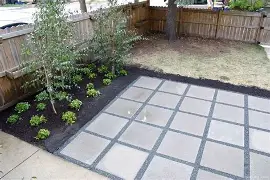
Many of the best retaining wall projects happen alongside patio construction. If your backyard slopes away from the house, a retaining wall can create the level footprint needed for a patio, seating area, or outdoor kitchen. Without that support, the patio may need to be built on an awkward grade, which can limit design options and create drainage problems. In practical terms, the wall helps turn a difficult yard into a space that feels intentional and usable. That is one reason retaining walls are often a high-value upgrade for homeowners who want to improve both function and resale appeal.
For example, a family in Fairfax might want a paver patio with room for dining and a fire pit, but the back yard drops off too sharply to support a flat layout. A retaining wall can create a terrace that makes the patio possible, while also keeping soil from washing onto the hardscape. In another case, a homeowner in Arlington may want to replace a sloped lawn with a more structured outdoor space that includes planting beds, steps, and a small sitting wall. The retaining wall becomes part of the overall design, not just a structural necessity. This is where thoughtful planning pays off, because the wall can improve the look of the yard while solving real grade and drainage issues.
When a retaining wall is paired with a patio, the project usually becomes more complex and more valuable. That is because the contractor has to coordinate excavation, base preparation, drainage, wall placement, and finished elevations so everything works together. It is also why homeowners should not choose a contractor based only on price. The lowest bid may leave out important details like drainage stone, reinforcement, or proper compaction. A well-built wall supports the patio, protects the lawn, and helps the entire backyard function better for years. If you are already considering a patio, it is worth asking whether a retaining wall should be part of the plan from the start.
Homeowner Decision Checklist
- Do you see soil washing away after rain?
- Does part of your yard stay wet or muddy for long periods?
- Is your slope too steep to mow, plant, or use comfortably?
- Are you planning a patio, fire pit, or outdoor living area on uneven ground?
- Do you notice cracks, leaning, or shifting near an existing wall?
- Is mulch, dirt, or gravel constantly moving out of place?
- Would a level terrace, garden bed, or seating area improve how you use the yard?
- Have drainage problems already started affecting your lawn or hardscape?
- Do you want a long-term solution instead of repeated patch repairs?
- Have you had a professional evaluate whether grading alone is enough?
Why Choose Image Works Landscaping
Image Works Landscaping helps Northern Virginia homeowners solve real yard problems with practical, attractive solutions. If you are looking for a retaining wall contractor Northern Virginia residents can trust, our team understands how to design projects that fit the property, manage water properly, and improve the way you use your outdoor space. We work with homeowners who need more than a quick fix. They want a landscape that looks better, functions better, and holds up over time.
Our approach is especially valuable for projects that involve patios, drainage, retaining walls, and lawn installation. We look at the whole site, not just one symptom, so we can recommend the right combination of solutions for your home. That may mean building a retaining wall to stabilize a slope, improving drainage to protect the structure, or reshaping the yard so your new patio and lawn work together. We also understand that these are meaningful investments, so we focus on clear communication, thoughtful planning, and quality workmanship from start to finish.
Homeowners across Annandale, Arlington, Alexandria, Franconia, Kingstowne, Fairfax, Fairfax Station, Falls Church, Oakton, Vienna, Union Mill, Newington, Springfield, West Springfield, North Springfield, Burke, Lorton, Clifton, Reston, Herndon, Sterling, Woodbridge, and surrounding communities choose Image Works Landscaping because they want a local team that knows the terrain and takes the details seriously. Whether your project is a small structural wall or part of a larger backyard transformation, we can help you make a confident decision.
Final Thoughts: When to Move Forward
If your yard is sloping, eroding, holding water, or limiting how you use your outdoor space, it may be time to talk with a retaining wall contractor Northern Virginia homeowners trust. The sooner you address the problem, the easier it is to protect your lawn, hardscape, and foundation from further damage. In many cases, a retaining wall is not just a repair. It is the feature that makes the rest of your yard possible.
If you are planning a patio, dealing with drainage issues, or trying to turn an uneven backyard into something more usable, Image Works Landscaping can help you evaluate the site and recommend the right solution. A well-designed retaining wall can improve safety, add value, and create the outdoor space you have been wanting. Contact Image Works Landscaping today to discuss your property and get started on a plan that fits your home, your goals, and your budget.