
Quick Answer: If your yard is sloping, washing out, pooling water, or losing usable space, you may need a retaining wall in Northern Virginia. A properly designed wall can control erosion, improve drainage, protect your foundation, and create a cleaner, more functional landscape.
If you’ve been searching for a retaining wall contractor northern virginia homeowners can trust, you’re probably already noticing a problem in your yard. Maybe the slope behind your home is getting harder to mow, maybe mulch keeps sliding into the driveway, or maybe water is collecting near a patio after every storm. In Northern Virginia, these issues are common because many neighborhoods were built on rolling terrain, clay-heavy soil, and lots with natural grade changes. A retaining wall is not just a decorative feature; in many cases, it is the practical solution that keeps a landscape stable, usable, and easier to maintain. The key is knowing when a wall is actually needed, when a drainage fix may be enough, and when the best move is to combine both into a larger landscape project that adds long-term value to your home.
H2: What a Retaining Wall Actually Does for Your Yard
A retaining wall is designed to hold back soil and manage changes in elevation. That sounds simple, but for homeowners, the real benefit is much bigger than just keeping dirt in place. A well-built wall can turn a steep, awkward slope into a flat area for a patio, play space, garden bed, or lawn. It can also help redirect water, reduce erosion, and protect areas of your property that are vulnerable during heavy rain. In Northern Virginia, where storms can come fast and runoff can move quickly across sloped lots, this function matters a lot.
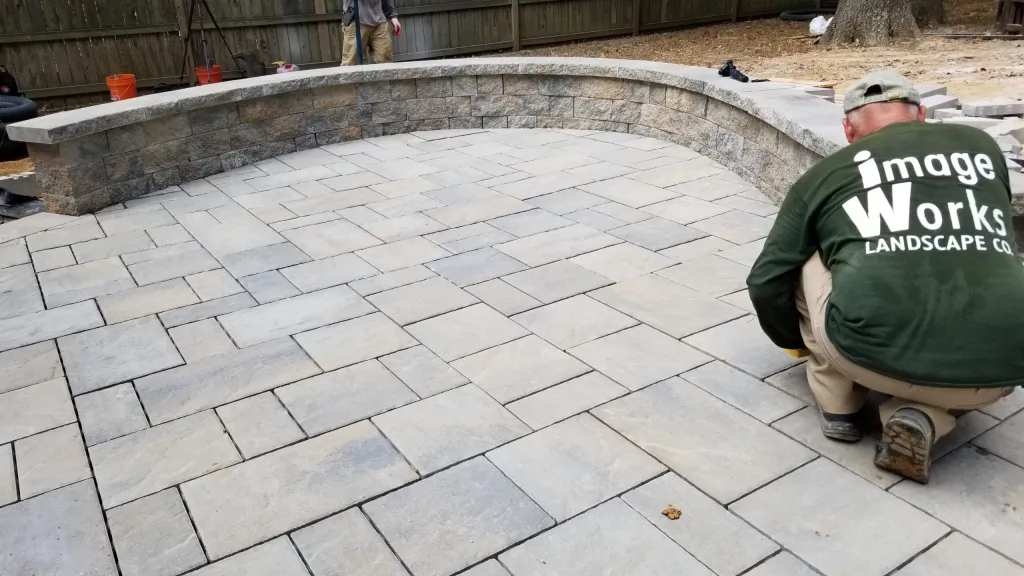
Many homeowners first think about a retaining wall only when the yard starts looking rough. But the wall is often part of a broader solution. For example, if your backyard slopes toward your house, a wall may help create a level area while also supporting a drainage system that moves water away from the foundation. If your front yard drops sharply toward the sidewalk or driveway, a wall can prevent soil from spilling out and make the property look cleaner and more finished. In higher-end residential projects, retaining walls are often paired with patios, steps, seating areas, and lawn installation to create a complete outdoor living space.
The best retaining walls are not chosen just because they look good. They are designed based on soil conditions, slope, water flow, wall height, and how the space will be used. That is why hiring a retaining wall contractor northern virginia homeowners can rely on is important. A wall that is too small, poorly drained, or built with the wrong materials can fail over time. A properly engineered wall, on the other hand, can last for years and make the property safer and more attractive.
H2: Signs Your Yard May Need a Retaining Wall
One of the clearest signs you need a retaining wall is visible erosion. If you notice soil washing away after rain, exposed roots, or mulch constantly ending up in the wrong place, the grade of your yard may be too steep to manage without support. Erosion is more than a cosmetic issue. Over time, it can damage planting beds, weaken slopes, and make it harder for grass or shrubs to establish. In some cases, erosion can even affect walkways, patios, and the edges of driveways.
Another major sign is standing water or runoff problems. If water flows toward your home, collects near a basement wall, or leaves muddy areas in the yard, a retaining wall may be part of the solution. In Northern Virginia, many homes sit on clay soil that drains slowly, so water tends to move across the surface instead of soaking in quickly. A wall can help reshape the yard, but it often works best when combined with drainage improvements such as French drains, swales, or proper grading. If you are already seeing water issues, it is smart to address them before they become more expensive repairs.
A third sign is lost usable space. Many homeowners in Fairfax, Arlington, Alexandria, Vienna, and Reston have lots that are beautiful but not very flat. If your backyard feels too steep for furniture, a grill area, or a safe play space, a retaining wall can create usable square footage where there was none before. This is especially valuable when you want to add a patio, outdoor kitchen, or lawn installation. Instead of fighting the slope every season, you can turn the problem area into a functional part of the property. If your yard is difficult to mow, hard to landscape, or visually uneven, those are all strong clues that a wall may be worth considering.
H2: When a Retaining Wall Is the Right Investment vs. When to Wait
Not every sloped yard needs a retaining wall right away. Sometimes homeowners can delay the project if the slope is mild, the drainage is manageable, and the area is not being used heavily. For example, if a back corner of the yard is slightly uneven but not eroding, and water is not pooling anywhere important, you may be able to improve the space with regrading, planting, or a smaller landscape bed. In those cases, a full wall may not be necessary yet.
But there are situations where waiting usually costs more. If the slope is actively moving, if a section of lawn keeps sliding downhill, or if water is repeatedly undermining the soil, the problem tends to get worse with time. A failing slope can damage nearby hardscaping, kill plants, and create safety concerns. Homeowners often wait until they want to build a patio or finish a backyard renovation, and then they realize the grade has to be corrected first. That can make the project more complex, but it is still better than building over an unstable site.
The right decision often comes down to how you use the space and what you want the property to do for you. If you are planning a larger outdoor project, a retaining wall may be the foundation that makes everything else possible. If you are only dealing with a small cosmetic issue, another solution may be more cost-effective. A good contractor will help you compare options instead of pushing a wall where it is not needed. That is especially important in Northern Virginia, where site conditions vary widely from one neighborhood to the next and where the best solution depends on the actual grade, drainage, and soil conditions on your lot.
H2: Retaining Wall Cost Factors Homeowners Should Understand
The cost of a retaining wall can vary significantly, and homeowners should expect the final price to depend on more than just the wall’s length. Material choice is one of the biggest factors. Pressure-treated timber is usually less expensive upfront, but it may not last as long as stone, concrete block, or segmental retaining wall systems. Natural stone can look beautiful and upscale, but it often costs more because of both material and labor. Many Northern Virginia homeowners choose concrete block systems because they offer a strong balance of durability, appearance, and value.
Site conditions also matter a great deal. A simple wall on a flat, accessible property will usually cost less than a wall built on a steep slope with limited equipment access. If excavation is difficult, if old roots or buried debris must be removed, or if the site needs major drainage work, labor costs can rise. In neighborhoods with tighter access, such as older properties in Arlington, Alexandria, or Falls Church, the logistics of bringing in materials can also affect pricing. If a project requires stairs, multiple wall tiers, or integration with a patio or walkway, the budget will increase accordingly.
For homeowners, it is helpful to think of a retaining wall as part of a larger landscape investment rather than a standalone item. A wall that costs more upfront but prevents erosion, supports drainage, and creates usable outdoor space can be a better value than a cheaper wall that fails or needs repairs. Many projects in Northern Virginia start in the $3,000 range and move well beyond that depending on height, length, materials, and complexity. If you are planning a patio, drainage correction, or lawn installation at the same time, bundling the work can often be more efficient than doing each project separately. A professional retaining wall contractor northern virginia homeowners hire should be able to explain these cost drivers clearly and help you understand where your money is going.
H2: Why Northern Virginia Yards Often Need More Than Basic Landscaping
Northern Virginia has a mix of older neighborhoods, newer developments, wooded lots, and properties built on rolling terrain. That variety is part of the area’s appeal, but it also creates common landscape challenges. Many homes in Fairfax, Burke, Springfield, Lorton, Herndon, and Sterling sit on lots with noticeable grade changes. In some cases, the original grading was never ideal for long-term drainage. In others, years of rain, runoff, and settling have changed how water moves across the property.
Clay-heavy soil is another factor homeowners should not ignore. Clay drains slowly, which means water can sit near the surface or move across the yard instead of soaking in. That can create muddy areas, slippery slopes, and pressure against retaining structures, patios, and foundations. If you are seeing repeated drainage problems, a wall alone may not solve everything. The best results often come from combining a retaining wall with proper grading, drainage piping, and carefully planned planting beds. That integrated approach is especially important for homes with basements or walkout lower levels.
Local weather also plays a role. Heavy spring rain, summer storms, and freeze-thaw cycles can all stress slopes and landscape structures. A wall built without proper base preparation or drainage can shift, bulge, or fail over time. That is why local experience matters. A contractor who understands Northern Virginia conditions can design for the soil, slope, and water movement specific to your property. For homeowners, this means fewer surprises, better performance, and a finished landscape that looks good through every season.
H2: How Retaining Walls Add Value to Outdoor Living Projects
A retaining wall is often the first step in a bigger backyard transformation. If you want a patio, fire pit area, outdoor dining space, or a more usable lawn, a wall can make the layout possible. Many sloped yards in Northern Virginia have plenty of potential, but they need structural support before they can be used comfortably. A retaining wall can carve out level zones, define planting beds, and create a polished transition between different parts of the yard.
This is one reason retaining walls are often paired with patios and drainage improvements. For example, a homeowner in Fairfax Station may want a backyard patio but has a slope that drops away from the house. A retaining wall can create a level pad for the patio while also helping direct water away from the home. A homeowner in Vienna might want to replace an unusable hill with a terraced garden and a flat lawn area for kids or pets. In both cases, the wall is not just solving a problem; it is enabling a better lifestyle.
From a resale perspective, outdoor spaces that look intentional and well-built can make a strong impression. Buyers notice when a yard feels manageable, attractive, and functional. They also notice when erosion, drainage, or grading issues have been ignored. A thoughtfully designed retaining wall can signal that the property has been cared for and improved properly. For homeowners thinking about long-term value, that can make the project worth serious consideration, especially when it is part of a larger landscape plan that includes lawn installation, drainage, and hardscape features.
H2: Homeowner Decision Checklist for a Retaining Wall
If you are trying to decide whether to move forward, use this checklist to evaluate your yard:
– Water runs toward your home, patio, or driveway after rain
– Soil, mulch, or gravel keeps washing away
– The slope is too steep to mow, plant, or use safely
– You want to create a flat area for a patio, lawn, or play space
– You see exposed roots, leaning soil, or signs of erosion
– Your current landscape feels unfinished or difficult to maintain
– You are planning drainage, patio, or lawn installation work anyway
– You want a long-term solution instead of repeated temporary fixes
If you checked several of these items, it is probably time to get a professional opinion. Even if you are not ready to build immediately, a site evaluation can help you understand whether the issue is cosmetic, structural, or drainage-related. The earlier you assess the problem, the more options you usually have. That can save money and prevent damage to nearby landscape features.
H2: Why Choose Image Works Landscaping
Image Works Landscaping helps Northern Virginia homeowners solve real yard problems with practical, attractive solutions. As a local residential landscaping company, we understand the conditions that affect properties in Annandale, Arlington, Alexandria, Franconia, Kingstowne, Fairfax, Fairfax Station, Falls Church, Oakton, Vienna, Union Mill, Newington, Springfield, West Springfield, North Springfield, Burke, Lorton, Clifton, Reston, Herndon, Sterling, Woodbridge, and surrounding communities.
We focus on projects that improve how your property works, not just how it looks. That includes retaining walls, drainage improvements, patios, and lawn installation. If your yard needs more than a quick fix, we can help you think through the full project so the final result is stable, functional, and built for local conditions. Homeowners appreciate clear communication, thoughtful design, and a team that understands how to balance cost, appearance, and long-term performance.
Whether you are dealing with erosion, a sloped backyard, or a drainage issue that keeps coming back, our goal is to help you make the right decision for your home. We do not believe in one-size-fits-all answers. We look at the site, the grade, the water flow, and your goals for the space before recommending a solution.
Conclusion: If your yard is eroding, holding water, or wasting usable space, a retaining wall may be the right investment. The best way to know for sure is to have a local expert evaluate the site and explain your options. If you are looking for a retaining wall contractor northern virginia homeowners can count on, Image Works Landscaping is ready to help you turn a problem yard into a better outdoor space. Contact us today to discuss your property, your goals, and the best next step for your landscape.
FAQs
Q: How do I know if my yard needs a retaining wall or just better drainage?
A: If the main issue is water collecting or moving the wrong direction, drainage improvements may be enough. If the soil is actively sliding, eroding, or creating a steep unusable slope, a retaining wall may be necessary as part of the solution.
Q: How much does a retaining wall usually cost in Northern Virginia?
A: Costs vary based on height, length, material, and site conditions, but many projects start in the low thousands and increase with complexity. A wall paired with drainage, patio work, or grading changes will usually cost more than a simple straight wall.
Q: What materials are best for retaining walls in this area?
A: Concrete block systems are popular because they offer strength, flexibility, and a clean look. Natural stone and other premium materials can also work well, but the best choice depends on your budget, design goals, and the conditions on your property.
Q: Can a retaining wall help with water problems near my foundation?
A: Yes, but only if it is designed correctly and paired with proper drainage. A wall can help reshape the yard and move water away from the home, but it should not be used as a substitute for drainage planning.
Q: How long does a retaining wall project usually take?
A: Smaller projects may take only a few days, while larger or more complex walls can take longer depending on excavation, drainage, and weather. If the wall is part of a patio or larger landscape renovation, the timeline will usually be extended.
Q: Why should I hire a local retaining wall contractor in Northern Virginia?
A: Local contractors understand the soil, slope, weather, and drainage issues common in this region. That experience helps reduce the risk of failure and ensures the wall is designed for the conditions on your property.