


Best Times for Lawn Aeration and Seeding
Maintaining a lush, green lawn can significantly enhance the curb appeal of your home. A well-kept lawn not only adds aesthetic value but also creates a welcoming atmosphere for visitors and can even increase property value. However, achieving this requires more than just regular mowing and watering. It involves a strategic approach to lawn care that incorporates practices such as fertilization, pest control, and proper irrigation. Among these practices, lawn aeration and seeding are crucial steps that can help your lawn thrive, ensuring it remains healthy and vibrant throughout the year. But when is the best time to aerate and seed your lawn? Let’s explore this topic in detail to ensure your lawn gets the care it deserves.

Lawn aeration involves perforating the soil with small holes to allow air, water, and nutrients to penetrate the grass roots. This process is essential for maintaining soil health and promoting strong root systems. By improving the soil structure, aeration helps the roots grow deeply and produce a stronger, more vigorous lawn. Over time, soil can become compacted due to foot traffic, heavy rains, or the natural settling process, preventing roots from accessing the essential elements they need. Aeration alleviates soil compaction, promotes healthier turf, and enhances the overall appearance of your lawn, making it more resistant to drought and disease.
Understanding the science behind aeration can further highlight its importance. Compacted soil restricts the movement of air and water, creating an environment where grass struggles to thrive. Aeration breaks up these compacted layers, improving the soil’s porosity and allowing for better root development. This improved root system means your lawn can absorb nutrients more effectively, leading to a lush, green landscape that is both beautiful and functional. Additionally, by promoting better drainage, aeration helps prevent issues such as waterlogging and fungal diseases, which can damage your lawn over time.
Benefits of Lawn Aeration
- Improved Air Exchange: Aeration enhances the air exchange between the soil and the atmosphere, which is vital for root health and microbial activity. This exchange helps maintain an optimal balance of oxygen and carbon dioxide in the soil, crucial for plant growth.
- Enhanced Water Uptake: It facilitates better water absorption, reducing water runoff and puddling. This means your lawn requires less frequent watering, conserving water while keeping your grass healthy.
- Nutrient Absorption: Aeration allows for the improved uptake of fertilizers and other nutrients. With better access to these nutrients, your lawn can grow more robustly and withstand environmental stressors better.
- Reduced Soil Compaction: By loosening compact soil, it promotes root growth and improves the soil’s overall structure. This creates an environment where beneficial organisms can thrive, further enhancing lawn health.
- Thatch Breakdown: Aeration helps break down thatch, a layer of organic material that can suffocate the grass if it becomes too thick. By integrating this layer back into the soil, aeration contributes to a healthier ecosystem within your lawn.
When to Aerate Your Lawn
The timing of lawn aeration is crucial to its effectiveness. Aerating at the wrong time can stress the grass, leading to more harm than good. The best time to aerate your lawn depends on the type of grass you have, as different grass types have varying growth patterns and environmental needs.
Cool-Season Grasses
For cool-season grasses like Kentucky bluegrass and fescue, the best time for aeration is in the early spring or early fall. During these times, the grass is growing most actively and will recover quickly from the stress of aeration. Aerating in spring prepares your lawn for the growth season, ensuring it can take full advantage of the nutrients and water available. Fall aeration helps strengthen the roots before winter, providing a solid foundation that supports healthy growth when the weather warms up again.
Timing is everything with cool-season grasses. Early spring aeration can help your lawn green up faster and reduce the competition from weeds. In the fall, aeration can improve overseeding success, allowing new grass to establish before the onset of cold weather. By strategically planning aeration during these peak growth periods, you ensure that your lawn remains resilient and healthy throughout the year.
Warm-Season Grasses
Warm-season grasses such as Bermuda and Zoysia benefit most from aeration in late spring or early summer. These grasses thrive in warm weather, making late spring the ideal time to aerate as they begin their growth phase. Aerating during this period ensures that your lawn can fully utilize the increased sunlight and warmth, promoting vigorous growth and development.
For warm-season grasses, timing aeration correctly can prevent potential issues like thatch build-up and poor drainage. By aerating as these grasses enter their active growing phase, you provide them with the best chance to establish strong roots and a dense canopy. This not only enhances the lawn’s appearance but also its ability to resist pests and diseases, leading to a healthier landscape overall.
The Best Time for Lawn Seeding

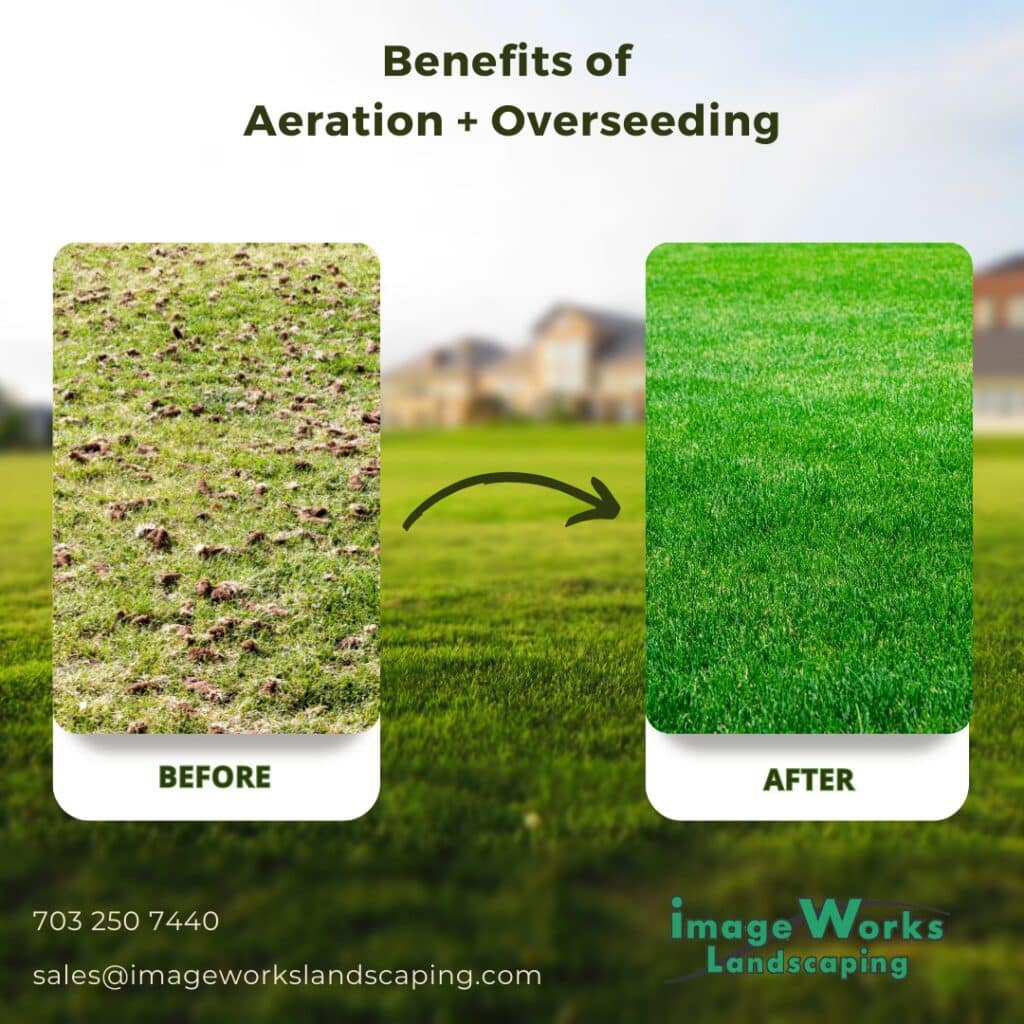
Seeding goes hand in hand with aeration, as the two processes complement each other to promote a robust lawn. After aeration, the soil is primed for seeding as the seeds can easily reach the soil and germinate. This combination is particularly effective for repairing thin or bare patches and improving the overall density and uniformity of your lawn.
Seeding Cool-Season Grasses
The optimal time to seed cool-season grasses is during the early fall. The cooler temperatures and increased rainfall create perfect conditions for seed germination. Fall seeding allows the grass to establish before the winter months set in, providing a head start for growth in the spring. This timing takes advantage of the natural growth cycle of cool-season grasses, ensuring that new seedlings are strong and ready to face the challenges of the colder months.
In addition to favorable weather conditions, fall seeding reduces competition from weeds, which are typically less active during this time. This allows the new grass seedlings to establish without the pressure of competing for resources. By seeding in the fall, you not only improve the current state of your lawn but also set the stage for a lush, green landscape come spring.
Seeding Warm-Season Grasses
For warm-season grasses, late spring is the ideal time for seeding. The warm soil temperatures and longer days provide the perfect environment for these grasses to establish and flourish. Seeding during this period ensures that the grass has ample time to grow and develop a strong root system before the heat of summer sets in.
Seeding warm-season grasses in late spring allows them to take full advantage of the growing season, maximizing their potential for development. This timing also aligns with the natural growth cycle of these grasses, promoting a healthier and more resilient lawn. By planning your seeding efforts around these optimal periods, you can significantly improve the success rate of your lawn renovation projects.
Choosing the Right Aeration and Seeding Services
When you’re looking for “aeration services near me” or “lawn aeration company,” selecting the right service provider can make a significant difference in the results. The right company will have the expertise and equipment necessary to ensure your lawn receives the best possible care. Here are some tips to help you choose:
Experience and Reputation
Look for a company with a proven track record and positive customer reviews. Companies like Image Works Landscaping in Oakton, Virginia, have built a reputation for delivering quality aeration and seeding services. An experienced company will understand the nuances of different grass types and soil conditions, allowing them to tailor their approach to meet your lawn’s specific needs.
In addition to experience, consider the company’s reputation within the community. Word of mouth and online reviews can provide valuable insights into the level of service and customer satisfaction you can expect. A reputable company will prioritize customer service and stand behind their work, giving you confidence in your choice.
Local Expertise
Choose a local aeration service that understands the specific needs of lawns in your area. For example, companies in Fairfax Station, Virginia, will have insights into the local climate and soil conditions, which can affect the timing and frequency of aeration and seeding. This local knowledge is invaluable in ensuring that your lawn receives care tailored to its unique environment.
Local expertise also means that the service provider is familiar with regional pests and diseases, allowing them to offer solutions that address these challenges effectively. By working with a company that understands the intricacies of your local environment, you can ensure that your lawn is well-equipped to thrive in its surroundings.
Comprehensive Services
Ensure the service provider offers both aeration and overseeding services. This ensures a seamless process and optimal results for your lawn. A company that provides a comprehensive range of services can address all aspects of lawn care, from soil health to pest management, ensuring that your lawn remains healthy and vibrant year-round.
By choosing a service provider that offers a full suite of lawn care solutions, you can streamline your maintenance efforts and enjoy the peace of mind that comes with knowing your lawn is in capable hands. Comprehensive services also mean that any potential issues can be addressed promptly, preventing small problems from becoming larger concerns.
DIY Aeration and Seeding
While professional services offer convenience and expertise, some homeowners prefer the DIY approach. Taking on the task yourself can be a rewarding experience, allowing you to connect with your landscape and tailor your efforts to your specific preferences. If you choose to aerate and seed your lawn yourself, here are some tips to help you succeed:
Tools You’ll Need
- Core Aerator: A core aerator removes small plugs of soil from your lawn, allowing for better air and water penetration. This tool is essential for alleviating soil compaction and promoting healthy root growth.
- Seed Spreader: A seed spreader ensures even distribution of grass seed over your lawn, preventing bare spots and promoting uniform growth. Choose a spreader that suits the size of your lawn for optimal results.
- Rake: A rake helps to smooth the soil and cover seeds lightly after spreading. This ensures good seed-to-soil contact, which is crucial for successful germination.
Having the right tools on hand can make the DIY process more efficient and effective. Investing in quality equipment can save you time and effort, leading to better results for your lawn.
DIY Aeration Steps
- Mow Your Lawn: Start by mowing your lawn to a short height. This makes it easier to aerate and allows seeds to reach the soil.
- Water the Lawn: Water your lawn a day or two before aerating to make the soil easier to penetrate. Moist soil is more forgiving and allows for deeper aeration.
- Aerate the Lawn: Use a core aerator to perforate the soil across your entire lawn. Focus on areas that are heavily trafficked or show signs of compaction.
- Spread Seeds: Use a seed spreader to distribute grass seed evenly over your lawn. Follow the recommended seed rate for your grass type to ensure optimal coverage.
- Water Regularly: Keep the soil moist until the seeds germinate and establish. Consistent watering is key to successful seedling development.
By following these steps, you can effectively aerate and seed your lawn, promoting a healthy and vibrant landscape. While DIY efforts require time and effort, they can be a rewarding way to take control of your lawn’s care.
Conclusion
Lawn aeration and seeding are essential practices for maintaining a healthy and vibrant lawn. By choosing the right timing and methods, you can enhance your lawn’s growth and resilience. Whether you opt for professional services in Springfield, Virginia, or prefer a DIY approach, the key is to aerate and seed during the optimal times for your specific grass type. With proper care and attention, your lawn can become the envy of the neighborhood, offering a lush and inviting space for outdoor activities.
When searching for “lawn aeration near me” or “overseeding near me,” remember to consider local providers who understand the unique needs of your area. This will ensure that your lawn receives the best possible care and achieves the lush, green appearance you desire. By investing in regular aeration and seeding, you can enjoy a beautiful and resilient lawn that enhances your home’s curb appeal and provides a welcoming environment for family and friends.