

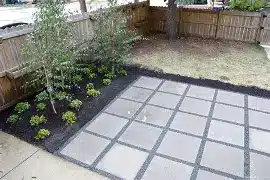
Quick Answer: If your backyard feels too small, sloped, muddy, or underused, a well-planned patio installation in Northern Virginia can turn it into a functional outdoor living space for dining, relaxing, and entertaining. The best patio ideas for this region usually combine durable materials, smart drainage, and a layout that fits your home, yard size, and budget.
If you live in Northern Virginia, you already know that backyards can be challenging. Some are compact and tucked between neighboring homes. Others slope, hold water after heavy rain, or never seem to get enough sun for a healthy lawn. That is exactly why patio installation northern virginia homeowners search for is often less about luxury and more about solving a real space problem. A patio can create a usable area where grass struggles, give your family a place to gather, and make your property feel more finished and valuable. For many homeowners, the right patio is the difference between a yard they avoid and a yard they use every week.
The best patio ideas are not one-size-fits-all. A family in Fairfax may want a larger entertaining space with room for a grill and dining set. A homeowner in Arlington may need a smaller, low-maintenance patio that fits a tight lot and improves access from the kitchen. In places like Reston, Springfield, or Woodbridge, drainage and grading can matter just as much as the patio surface itself. The good news is that with the right design, material choices, and installation plan, even a difficult backyard can become one of the most useful parts of your home.
Patio ideas that make a small Northern Virginia backyard feel bigger
When space is limited, the goal is not to cram in as many features as possible. The best patio designs for small backyards create the feeling of more room by improving flow, defining zones, and reducing wasted space. One of the most effective approaches is a simple rectangular or square patio placed directly off the house. This layout keeps furniture easy to arrange and makes the outdoor area feel like a natural extension of the home. For homeowners in places like Alexandria, Falls Church, or Vienna, where lot sizes can be tight, this type of patio often delivers the most usable square footage for the investment.
Another smart option is a multi-zone patio design. Instead of one oversized slab, the space can be divided into a dining area, a conversation area, and a small landing zone near the door or grill. This works especially well when the backyard is narrow or partially shaded. A skilled patio contractor can use changes in material, border details, or subtle elevation changes to make the space feel larger without adding unnecessary complexity. Homeowners often underestimate how much a well-shaped patio can improve the way a yard functions. Even a modest patio can eliminate the awkward patch of mud, dead grass, or uneven ground that has been making the backyard feel unusable.
For many properties, the biggest mistake is choosing a patio size based only on what fits, instead of how the family actually lives. If you entertain often, you need room for chairs to pull out, people to move around, and maybe a grill or fire feature. If you mostly want a quiet place for morning coffee, a smaller patio with built-in seating or a privacy screen may be a better investment. The right design should reflect your habits, not just your lot dimensions. That is why a professional patio installation northern virginia homeowners can trust starts with layout planning, not just material selection.
Best patio materials for Northern Virginia weather and everyday use
Northern Virginia weather creates real demands on outdoor surfaces. Hot summers, freeze-thaw cycles, heavy rain, and occasional snow all affect how a patio performs over time. That is why material choice matters so much. Pavers are one of the most popular options because they offer flexibility, durability, and design variety. They can handle movement better than a plain concrete slab, which is helpful in areas with shifting soil or drainage concerns. Pavers also allow for attractive borders, patterns, and color combinations that can match the style of the home. For homeowners in Fairfax Station, Clifton, or Oakton, pavers are often a strong choice when the goal is both curb appeal and long-term performance.
Natural stone patios can create a high-end look, especially for homes with traditional architecture or wooded backyards. Flagstone, bluestone, and similar materials can feel timeless and elegant, but they usually cost more and require careful installation. They are a good fit for homeowners who want a premium outdoor living space and are willing to invest in craftsmanship. Concrete patios can be more budget-friendly, but they need to be designed and installed correctly to avoid cracking, drainage issues, or a plain appearance that feels unfinished. In some cases, stamped concrete may offer a middle ground, though it still requires proper site prep and maintenance planning.
Material selection should also account for how the patio will be used. A family with kids and pets may want a surface that is easy to clean and durable under heavy use. A homeowner who wants an outdoor kitchen or fire pit may need a stronger base and more detailed planning for weight, heat, and drainage. In many cases, the most expensive patio is not the one with the highest material cost, but the one that fails early because the base was not built correctly. That is why labor quality, base depth, compaction, and site grading are just as important as the surface itself. When homeowners compare patio installation northern virginia options, they should look beyond the stone or paver style and ask how the patio will hold up five, ten, or fifteen years from now.
How drainage, grading, and retaining walls protect your patio investment
In Northern Virginia, a patio is only as good as the ground beneath it. Many backyards have drainage issues that are not obvious until after a heavy storm. Water may pool near the foundation, run across the lawn, or settle in the exact area where a patio is planned. If those issues are ignored, the patio can shift, sink, or become slippery and unpleasant to use. That is why drainage and grading should be part of the design conversation from the beginning. A patio that looks great on day one but traps water will quickly become a source of frustration.
For sloped yards, retaining walls can make a huge difference. They can create level space for a patio, help control erosion, and make the backyard more usable overall. This is especially relevant in communities like Burke, Lorton, Springfield, and parts of Reston or Herndon where yards may slope toward the house or away from the usable area. A retaining wall can turn a difficult backyard into a layered outdoor living space with seating, planting beds, and a flat patio zone. In some cases, the wall is not just a design feature but a structural necessity that protects the patio and surrounding landscape.
Homeowners often ask whether drainage work adds too much to the project cost. The honest answer is that it can increase the upfront price, but it often saves money later by preventing repairs, settling, and water damage. French drains, regrading, downspout extensions, and proper base preparation are not optional extras when the site needs them. They are part of building a patio that lasts. If your yard stays soggy after rain, if water runs toward the house, or if the current lawn has bare spots that never recover, it is worth addressing those issues before or during patio installation. In many cases, the best outdoor space is the one that solves the yard’s biggest problems first.
Cost considerations for patio installation northern virginia homeowners should know
Patio pricing in Northern Virginia can vary widely depending on size, material, site conditions, and added features. A simple patio may start in the low thousands, while larger or more complex projects with retaining walls, drainage improvements, or premium materials can move well beyond that. For homeowners planning a meaningful upgrade, it is helpful to think in terms of project scope rather than just square footage. A compact patio with a solid base and quality pavers may be a smart $3,000 to $8,000 investment, while a larger custom design with multiple zones, steps, and drainage work can cost significantly more. The best way to budget is to decide what the patio needs to do, then build the design around those goals.
Several factors influence the final price. Material choice is one of the biggest. Concrete is usually less expensive than pavers or natural stone, but it may not offer the same visual appeal or long-term flexibility. Labor is another major factor, especially if the site requires excavation, hauling away soil, leveling, or working around existing landscaping. Access also matters. A backyard with limited side-yard access may require more manual labor, which can increase installation costs. If the project includes retaining walls, steps, lighting, or drainage improvements, those items should be budgeted separately so there are no surprises later.
Homeowners should also consider value, not just price. A patio that is too small, poorly drained, or built with low-quality materials may seem cheaper at first but can cost more over time. On the other hand, a well-designed patio can reduce lawn maintenance, improve outdoor living, and increase the overall appeal of the property. For many homeowners in Northern Virginia, especially those preparing to stay in their home for several years, a patio is a practical upgrade that pays off in daily use. If you are comparing estimates, ask what is included in the base price, whether drainage and base prep are part of the quote, and how the contractor handles grading and site cleanup. Those details often separate a true value from a low number that leaves important work out.
Patio ideas that pair well with lawns, planting beds, and outdoor living features
The most successful patios rarely stand alone. They connect to the rest of the yard in a way that makes the entire property feel intentional. One of the best combinations for Northern Virginia backyards is a patio paired with new lawn installation around the perimeter. This creates a clean transition from hardscape to softscape and helps the yard feel balanced. If the existing grass is patchy, uneven, or constantly muddy, replacing it after patio installation can make the whole backyard look refreshed. This is especially effective in homes where the patio will become the main gathering area and the lawn will serve as a play space or visual frame.
Planting beds are another smart addition. They soften the edges of the patio, add privacy, and can help with drainage when designed properly. In neighborhoods with close lot lines, such as parts of Arlington, Annandale, and Alexandria, layered planting beds can make a patio feel more private without building a full fence. Low-maintenance shrubs, ornamental grasses, and native plants can give the space structure while keeping upkeep manageable. For homeowners who want a more complete outdoor living area, features like seat walls, fire pits, or a small outdoor kitchen can make the patio feel like a true extension of the home rather than just a place to set a table.
The key is to match the features to the way the family uses the space. A couple who enjoys quiet evenings may prefer a smaller patio with a fire feature and surrounding garden beds. A larger household may need a durable dining area, room for kids to play, and a path that connects to the driveway or side yard. If you are planning a larger project, it often makes sense to think in phases. For example, you might start with the patio and drainage improvements, then add lawn installation or retaining walls later. That approach can make a bigger project more manageable while still moving the yard toward a finished, usable result.
Local Northern Virginia considerations that affect patio design and timing
Local conditions in Northern Virginia have a big impact on patio planning. Soil types can vary from one neighborhood to another, and many properties have clay-heavy soil that drains slowly. That means site prep, grading, and base construction need to be handled carefully. Homes in older communities may also have mature trees, root systems, or existing hardscape that complicate excavation. In newer developments, the challenge may be less about age and more about compacted soil, drainage patterns, or limited access between homes. A patio contractor familiar with the region will know how to plan for these issues before they become expensive problems.
Timing matters too. Spring and fall are often popular seasons for patio work because the weather is more comfortable and homeowners want to enjoy the space during the warmer months. But waiting too long can delay the project, especially if contractors are booked out or if the yard needs extra time for drainage correction or lawn recovery. If your backyard is currently unusable, it may be smarter to start planning before peak season instead of waiting until everyone else is requesting the same work. In some cases, homeowners in Sterling, Woodbridge, or Fairfax may also need to consider HOA approvals, property line concerns, or neighborhood design standards before installation begins.
There is also a practical reason to think locally: Northern Virginia homes are often built on lots where outdoor space must work hard. A patio may need to serve as a dining area, entertaining zone, and transition point to the yard all at once. That makes design efficiency important. A local contractor who understands these homes can recommend layouts that fit the property rather than forcing a generic design onto it. When the project is planned well, the result is not just a patio, but a backyard that finally feels usable in every season.
Homeowner decision checklist before starting a patio project
Before you commit to a patio project, it helps to slow down and evaluate what your yard really needs. A good patio should solve a problem, not create a new one. Use this checklist to decide whether now is the right time to move forward and what should be included in the plan.
- Do you have a clear purpose for the patio, such as dining, entertaining, relaxing, or connecting to the lawn?
- Is your current backyard too muddy, uneven, sloped, or small to use comfortably?
- Do you need drainage, grading, or retaining wall work before the patio can be installed properly?
- Are you looking for a low-maintenance solution that reduces lawn care and improves usability?
- Do you want the project to include related upgrades like lawn installation, planting beds, steps, or seating walls?
- Have you compared material options based on durability, appearance, and long-term maintenance?
- Are you ready to invest in a project that is likely to start at several thousand dollars and increase with added features?
- Do you want a contractor who understands Northern Virginia soil, weather, and neighborhood conditions?
If you answered yes to most of these questions, you are probably ready to start planning. If not, it may be worth waiting until you have a clearer budget or a better understanding of the site conditions. The most successful patio projects happen when homeowners are realistic about both the opportunity and the challenges. A good plan leads to a better result, fewer surprises, and a backyard that gets used instead of ignored.
Why choose Image Works Landscaping for patio installation in Northern Virginia
Image Works Landscaping understands that homeowners are not just buying a patio surface. They are investing in a better backyard, a more functional property, and a space that fits the way their family lives. That is why our approach to patio installation northern virginia homeowners need starts with listening, site evaluation, and practical design recommendations. We look at drainage, slope, access, material options, and how the patio will connect to the rest of the landscape so the finished project works from day one.
We also know that many of the best patio projects are part of a larger outdoor improvement plan. That is why we frequently help homeowners combine patios with retaining walls, drainage solutions, and lawn installation for a more complete transformation. Whether your yard is in Annandale, Fairfax, Arlington, Reston, Herndon, Springfield, Woodbridge, or a surrounding Northern Virginia community, our goal is to create a space that feels custom to your property and durable enough for everyday use. Homeowners choose Image Works Landscaping because they want a local team that understands the region and takes the details seriously.
From the first conversation to the final cleanup, our focus is on quality, communication, and long-term value. We know that a patio project is a major decision, and we work to make the process straightforward and transparent. If you want a backyard that finally feels usable, attractive, and built for Northern Virginia conditions, Image Works Landscaping is ready to help.
Final thoughts: the right patio can completely change how you use your backyard
If your backyard has been sitting unused because it is too small, too wet, too sloped, or simply not designed for daily life, a patio may be the smartest upgrade you can make. The best patio ideas are the ones that fit your home, solve real site problems, and create a space your family will actually enjoy. For many homeowners, that means combining thoughtful layout, durable materials, and proper drainage into one well-planned project. It also means working with a contractor who understands the demands of patio installation northern virginia homeowners face every day.
At Image Works Landscaping, we help Northern Virginia homeowners turn difficult backyards into practical outdoor living spaces that add value and comfort. If you are ready to explore patio options, improve drainage, or pair your new patio with retaining walls or lawn installation, now is the time to start the conversation. Contact Image Works Landscaping to schedule a consultation and take the first step toward a backyard that finally works for your home.
FAQs
How much does patio installation in Northern Virginia usually cost?
Costs vary based on size, materials, site conditions, and whether drainage or retaining wall work is needed. Smaller projects may start in the low thousands, while larger custom patios can cost significantly more.
What patio material is best for Northern Virginia weather?
Pavers are a popular choice because they handle freeze-thaw cycles well and offer design flexibility. Natural stone can also work beautifully, but it usually costs more and requires careful installation.
Do I need drainage work before installing a patio?
If your yard holds water, slopes toward the house, or gets muddy after rain, drainage work is often necessary. Addressing those issues early helps prevent patio settling and long-term maintenance problems.
Can a patio be built in a small backyard?
Yes, and small backyards often benefit the most from a well-designed patio. A compact layout can make the space feel larger and more usable without overwhelming the yard.
Should I add a retaining wall with my patio?
If your yard slopes or needs leveling, a retaining wall may be the best way to create a flat, usable space. It can also improve drainage, reduce erosion, and make the patio look more finished.
When is the best time to schedule patio installation in Northern Virginia?
Spring and fall are popular because the weather is comfortable and many homeowners want to use the space right away. However, planning early is important because good contractors often book up quickly.