
Quick Answer: If you have a sloped backyard in Arlington, VA, a retaining wall can solve drainage problems, create usable flat space, and protect your landscape from erosion. The best retaining wall design depends on your yard’s grade, soil conditions, drainage needs, and how you want to use the space for patios, lawns, or planting beds.
If you are searching for a retaining wall contractor Arlington VA homeowners can trust, the most important thing to know is that a retaining wall should do more than look good. In Northern Virginia, especially in neighborhoods with older homes, tight lots, and uneven terrain, a well-built wall can turn a difficult backyard into a functional outdoor living area. It can also help prevent water from pooling near your foundation, reduce washouts after heavy rain, and make room for features like a patio, lawn installation, or garden beds. For many homeowners, the right retaining wall is the difference between a backyard that feels unusable and one that finally works for everyday life.
Arlington properties often come with unique challenges: narrow side yards, steep rear slopes, clay-heavy soil, and limited access for equipment. That means retaining wall planning needs to be practical, not just attractive. The best projects account for drainage, material choice, wall height, and how the finished space will support the rest of your landscape. Whether you are considering a small garden wall or a larger structural wall to reclaim sloped ground, understanding your options will help you make a smarter investment and avoid costly mistakes later.
Why Sloped Backyards in Arlington Need More Than a Cosmetic Fix
A sloped backyard may seem like a simple grading issue, but in Arlington it often creates several problems at once. Water tends to run downhill quickly, which can lead to erosion, muddy patches, and damaged turf. If the slope directs water toward your home, you may also notice basement moisture, standing water near walkways, or soil washing away from planting beds after heavy storms. A retaining wall can help control those issues by holding soil in place and redirecting water in a more manageable way.
For homeowners, the biggest benefit is often usability. A steep backyard can make it hard to install a patio, build a level seating area, or even maintain a healthy lawn. Kids and pets may avoid the space because it feels awkward or unsafe. A properly designed retaining wall can create terraces or level sections that allow for a patio, lawn installation, or a planting area that is easier to maintain. In many cases, the wall becomes the foundation for a full backyard transformation rather than a standalone feature.
It is also important to think about the long-term value. In a competitive housing market like Arlington, outdoor living space matters. Buyers notice a backyard that is functional, well-drained, and professionally finished. A retaining wall built by an experienced retaining wall contractor Arlington VA homeowners rely on can improve curb appeal, reduce maintenance headaches, and support other high-value upgrades like drainage systems and patios. That combination often makes the project more worthwhile than trying to patch erosion or regrade the yard in smaller, temporary ways.
Retaining Wall Ideas That Work Well for Arlington Homes
One of the most practical ideas for a sloped backyard is a tiered retaining wall system. Instead of trying to hold back all the soil with one tall wall, the yard is divided into multiple levels. This approach can look elegant while also reducing pressure on each wall section. Tiered walls are especially useful on Arlington lots where the slope is moderate to steep and the homeowner wants separate zones for entertaining, planting, and lawn space. The upper level might hold shrubs or privacy screening, while the lower level becomes a patio or play area.
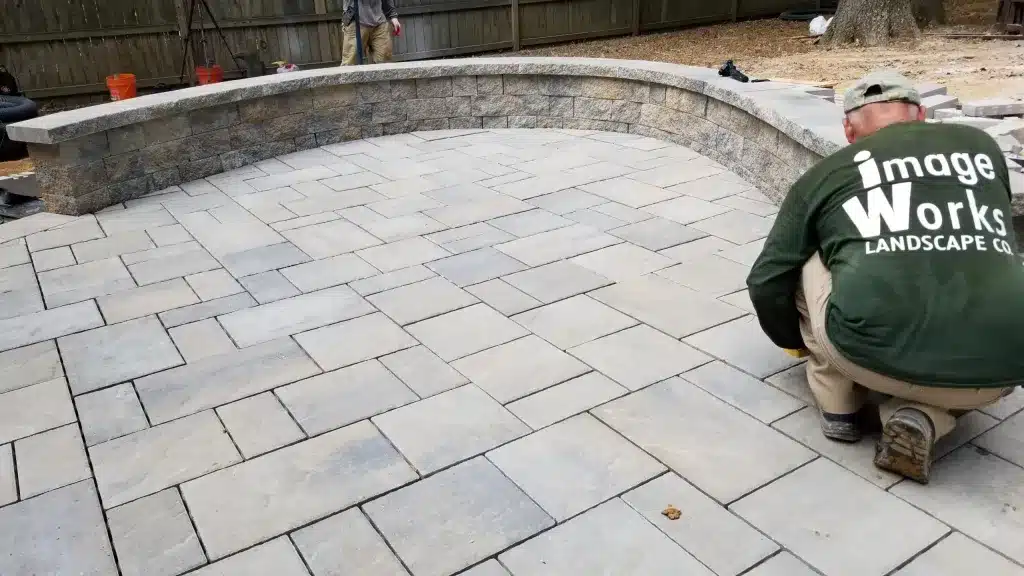
Another strong option is a natural stone retaining wall. Natural stone works well in neighborhoods where homeowners want a timeless look that blends with mature trees and established homes. Stone walls can be designed to feel more organic and less rigid, which is helpful when the yard has curved edges or existing landscape features. They also pair nicely with drainage improvements and planting beds, making them a good fit for homeowners who want both function and style. For larger projects, stone can be used alongside steps, seating walls, or a patio to create a complete outdoor living environment.
Segmental concrete block walls are another popular choice because they offer strength, flexibility, and a wide range of finishes. These walls are often a smart choice when structural performance and budget both matter. They can be engineered for taller applications, and they work well when the goal is to create a flat lawn area or support a patio installation. For homeowners comparing options, the best wall is usually the one that fits the slope, drainage needs, and intended use of the yard rather than the one that simply looks best in a catalog. A skilled contractor can help you balance appearance, durability, and cost so the final result supports the whole landscape.
How to Choose the Right Retaining Wall Material and Design
Material choice affects more than appearance. It influences wall height limits, drainage requirements, maintenance, and total project cost. For example, timber walls may seem affordable at first, but they usually do not last as long as stone or segmental block in Northern Virginia’s wet and freeze-thaw conditions. If your goal is a long-term investment, it is often better to choose a material that can handle moisture, soil pressure, and seasonal temperature swings without breaking down quickly.
Design matters just as much as material. A wall that is too tall without proper reinforcement can fail, especially on a sloped lot where water pressure builds behind the structure. That is why drainage is not optional. Most retaining walls need gravel backfill, perforated drain pipe, and proper grading to move water away from the wall. In some Arlington yards, the contractor may also recommend a French drain or surface drainage improvements to protect the wall and the home. If you are planning to add a patio or lawn installation nearby, the wall should be designed with those features in mind from the start so the finished space feels cohesive.
Homeowners should also think about how the wall will be used. A low decorative wall around a garden bed has different requirements than a structural wall that creates a level entertaining space. If you want seating, integrated steps, or lighting, those details should be included in the design phase. This is where working with an experienced retaining wall contractor Arlington VA residents can count on becomes valuable. The right contractor will not just build the wall; they will help you design the entire outdoor layout so the wall supports drainage, access, and future use. That level of planning can prevent expensive changes later and make the project feel intentional rather than pieced together.
Cost Considerations for Retaining Walls in Northern Virginia
Retaining wall pricing can vary widely because every yard is different. In Arlington, the biggest cost factors usually include wall height, total length, material choice, access to the backyard, drainage requirements, and whether the project requires excavation or grading. A small decorative wall may be relatively straightforward, but a taller structural wall on a steep slope can require engineering, deeper footings, and more labor. If equipment access is limited by fences, narrow side yards, or mature landscaping, the project may also take longer and cost more.
Homeowners should also budget for the work that happens around the wall, not just the wall itself. In many cases, the best results come from combining retaining wall construction with drainage improvements, patio installation, or lawn installation. That can raise the total investment, but it often produces a much better long-term outcome. For example, if a wall is built to create a level patio area, the grading, base prep, and finish work need to be done correctly or the patio may settle unevenly later. Similarly, if the wall is holding back soil for a new lawn, soil quality and drainage will affect whether the grass actually thrives.
As a general decision-making rule, it is usually smart to move forward with a retaining wall when erosion, drainage, or unusable space is already affecting your property. Delaying can make the problem worse and increase repair costs. If the slope is mild and the issue is mostly cosmetic, you may have more flexibility in timing. But if water is pooling near the foundation, soil is washing away, or you are planning a larger backyard renovation, the wall should be part of the project sooner rather than later. A professional estimate from a local contractor will help you understand where your money is going and which upgrades will deliver the best value for your yard.
Local Northern Virginia Considerations That Affect Wall Performance
Arlington and the surrounding Northern Virginia communities have conditions that make retaining wall planning especially important. Many properties sit on clay-heavy soils that hold water instead of draining quickly. That means water pressure behind a wall can build up faster than homeowners expect, especially after heavy rain. Freeze-thaw cycles add another layer of stress, since water that gets trapped in soil or behind a wall can expand and cause movement over time. Because of that, drainage and base preparation are just as important as the visible wall material.
Local lot conditions also matter. In older Arlington neighborhoods, backyards are often smaller and more constrained, which makes access difficult for excavation equipment and material delivery. Some yards have mature trees, tight property lines, or existing hardscape that must be protected during construction. A contractor familiar with Northern Virginia can plan around those issues and avoid common mistakes like damaging roots, building too close to the foundation, or underestimating the amount of grading needed to create a level surface. That local experience can save time and reduce the risk of expensive rework.
Another important consideration is how the wall fits into the rest of the landscape. In this area, many homeowners want a backyard that supports entertaining, family use, and low-maintenance living. That often means pairing the retaining wall with a patio, steps, drainage improvements, and a durable lawn installation. When those elements are designed together, the yard feels more polished and functions better year-round. Image Works Landscaping works across Arlington and nearby communities like Alexandria, Falls Church, Fairfax, Vienna, Springfield, Reston, Herndon, and Woodbridge, so the team understands the local soil, slope, and drainage challenges that shape successful retaining wall projects.
Homeowner Decision Checklist Before You Build
- Is water pooling near your home, patio, or foundation after rain?
- Is soil washing away or exposing roots on the slope?
- Do you want to create usable space for a patio, lawn, or garden?
- Will the wall need to hold back a significant amount of soil?
- Do you need drainage improvements along with the wall?
- Is backyard access tight enough to affect equipment or labor?
- Are you planning other upgrades, such as steps, lighting, or seating walls?
- Do you want a long-term solution rather than a temporary fix?
- Would the project add value and usability to your home?
If you answered yes to several of these questions, it is probably time to speak with a professional. A retaining wall is often part of a larger landscape solution, and the earlier you plan for drainage, grading, and layout, the better the final result will be. Homeowners who wait too long often end up paying more because erosion, settling, or water damage makes the job more complicated. A good contractor can help you decide whether to build now, phase the project, or combine it with other improvements for better value.
Why Choose Image Works Landscaping for Retaining Wall Projects
Image Works Landscaping is a residential landscaping company focused on helping Northern Virginia homeowners solve real outdoor problems with practical, attractive solutions. For retaining wall projects, that means more than stacking blocks or stone. It means understanding how the wall will perform in your yard, how it will handle drainage, and how it will connect to the rest of your landscape. Whether your goal is to create a flat patio area, improve a sloped lawn, or stop erosion before it gets worse, the team approaches the project with both function and curb appeal in mind.
Homeowners choose Image Works Landscaping because the company understands the value of doing the job right the first time. Retaining walls often work best when they are part of a larger plan that includes drainage, grading, lawn installation, and patio design. That integrated approach helps avoid patchwork fixes and creates a finished backyard that feels intentional and durable. It also makes it easier to invest in larger projects that add real value to the property, especially when the goal is to turn a steep or difficult yard into usable outdoor living space.
Just as important, Image Works Landscaping serves communities throughout Northern Virginia, including Arlington, Alexandria, Annandale, Fairfax, Fairfax Station, Falls Church, Oakton, Vienna, Springfield, Burke, Lorton, Reston, Herndon, Sterling, Woodbridge, and surrounding areas. That local reach matters because the soil, grading, and drainage challenges in this region are not the same as those in other parts of the country. If you want a retaining wall contractor Arlington VA homeowners can rely on for thoughtful planning and quality workmanship, Image Works Landscaping is built for exactly that kind of project.
Conclusion: Turn a Difficult Slope Into a Backyard You Can Use
A sloped backyard does not have to stay a problem. With the right retaining wall design, you can control erosion, improve drainage, and create usable space for a patio, lawn, or planting area. The key is choosing a solution that fits your property, your goals, and the conditions common in Arlington and the rest of Northern Virginia. When a retaining wall is planned well, it becomes more than a structural feature. It becomes the foundation for a better backyard and a smarter long-term investment in your home.
If you are ready to explore retaining wall ideas for your property, Image Works Landscaping can help you evaluate the slope, discuss material options, and design a solution that works with your yard instead of fighting it. Whether your project is focused on drainage, outdoor living, or reclaiming unusable space, the right team can make the process clearer and the result more valuable. Contact Image Works Landscaping today to speak with a local expert and get started on a retaining wall solution that fits your Arlington home.