

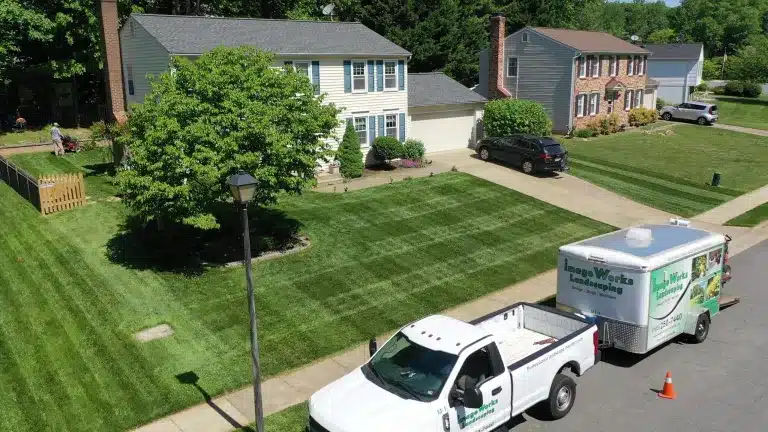
Quick Answer: The best time to install new lawn in Northern Virginia is usually early fall, when cooler temperatures, warm soil, and more reliable rainfall help grass establish strong roots. Spring can also work, but it often brings more weed pressure, heat stress, and watering demands, which can make new lawn installation more expensive and less predictable.
If you are planning a lawn install in Northern Virginia, timing matters just as much as the type of grass or the quality of the soil prep. The best time to install new lawn Northern Virginia homeowners should focus on is the season that gives grass the best chance to root deeply before summer heat or winter cold arrives. That decision can affect everything from how much you spend on irrigation and maintenance to whether your new lawn fills in evenly or struggles with bare spots. For homeowners in places like Fairfax, Arlington, Alexandria, Vienna, Reston, and Springfield, the right timing can also help avoid drainage problems, erosion, and unnecessary rework. A well-timed lawn installation is not just about getting grass in the ground. It is about setting up your property for long-term curb appeal, usable outdoor space, and fewer headaches down the road.
Why Fall Is Usually the Best Time to Install New Lawn in Northern Virginia
For most homeowners, early fall is the sweet spot for new lawn installation. In Northern Virginia, that usually means late August through October, depending on the weather and the condition of the property. During this window, soil temperatures are still warm enough to support fast root growth, but the air is cooler, which reduces stress on new grass. Rainfall also tends to be more manageable than in peak summer, so new sod or seed has a better chance of establishing without constant watering.
Fall is especially helpful if your yard has been damaged by summer heat, construction, or drainage issues. A lot of homeowners in areas like Burke, Annandale, and Fairfax Station wait until after major landscaping work is complete before installing lawn. That is often the right move, because fall gives you time to finish grading, drainage corrections, retaining walls, or patio work before the grass goes in. If your yard needs more than just grass, this is the season when a full-property plan makes the most sense. You can address low spots, runoff, compacted soil, and uneven grades first, then install the lawn on a properly prepared base.
Another reason fall is ideal is weed control. Spring and early summer lawns often compete with crabgrass and other aggressive weeds. In fall, weed pressure is usually lower, so the new lawn can focus on root development instead of fighting for space. That means better coverage, better color, and a more durable lawn by the following spring. For homeowners thinking about long-term value, fall installation often provides the best return because it reduces the chance of costly repairs, reseeding, or replacement later.
Can You Install New Lawn in Spring in Northern Virginia?
Yes, spring can be a workable time to install new lawn in Northern Virginia, especially if you missed the fall window or need to repair storm damage, construction damage, or a lawn that never recovered from winter. The key is understanding that spring installation comes with more variables. Temperatures rise quickly, weeds begin to germinate, and the lawn may need more frequent watering to survive the transition into summer. If the project is done in March or early April, the grass may establish well enough to handle the season ahead. If it is delayed into late spring, the risk increases.
Spring lawn installation is often chosen by homeowners who are preparing their property for outdoor entertaining, listing a home for sale, or finishing a larger landscaping project. In those cases, the visual improvement can be immediate and valuable. A fresh lawn can make a front yard look polished, improve first impressions, and create a cleaner transition around new patios, walkways, or retaining walls. However, spring projects should be planned carefully, especially if the yard has drainage concerns. If water already pools near the foundation or along a slope, installing new grass without fixing the underlying issue can lead to failure, erosion, and wasted money.
There is also a cost consideration. Spring installations may require more irrigation, more weed management, and more follow-up care than fall projects. That does not mean spring is a bad choice. It means homeowners need to be realistic about maintenance and budget. If you are deciding between spring and fall, ask whether your yard is ready for grass now or whether it needs grading, drainage correction, or soil improvement first. In many cases, waiting for fall is the smarter investment, but spring can still work when the site is properly prepared and the expectations are clear.
How Site Conditions Affect the Best Time to Install New Lawn Northern Virginia Homeowners Should Know About
Timing is important, but site conditions can matter even more. Northern Virginia properties vary widely, from shaded lots in Arlington and Falls Church to sloped yards in Clifton, Lorton, and Fairfax Station, to newer developments in Sterling and Woodbridge where soil compaction and drainage issues are common. A lawn install that works on one property may fail on another if the grading, sunlight, or soil quality is not right. That is why the best time to install new lawn Northern Virginia homeowners choose should be based on both season and site conditions.
If your yard has poor drainage, for example, installing grass before solving the water issue can create a muddy mess. Low spots may stay wet, seed may wash away, and sod may struggle to root. In those cases, the right move is often to complete drainage improvements first, such as regrading, installing French drains, or adding retaining walls where needed. The same is true for steep slopes, where erosion control becomes a major factor. A lawn on a slope may need stabilization and careful soil prep before it can survive. These are not small cosmetic fixes. They are the foundation of a lawn that lasts.
Sun exposure also affects timing. Shaded backyards in neighborhoods like Vienna, Oakton, and Alexandria may take longer to dry out in spring, which can delay installation. Meanwhile, full-sun yards can dry too quickly in summer, making establishment more difficult. Soil type matters too. Clay-heavy soil common in parts of Northern Virginia can compact easily and hold water, while disturbed fill soil may need amendment before grass can thrive. If your property has any of these issues, the best time to install new lawn may be the season that gives your contractor enough flexibility to correct the site properly before installation. In many cases, that means planning ahead instead of rushing to plant grass at the first warm day of the year.
Cost Considerations for New Lawn Installation in Northern Virginia
Homeowners often ask about price first, and that is smart. The cost of installing a new lawn in Northern Virginia depends on several factors, including lawn size, whether you choose sod or seed, the amount of grading required, and whether the project includes drainage or hardscape work. A simple lawn replacement on a flat, accessible yard will cost less than a full property renovation that includes soil correction, retaining walls, patio edges, or drainage solutions. If your lawn install is part of a larger outdoor project, the total investment can easily move into the $3,000 to $10,000+ range depending on scope.
Sod usually costs more upfront than seed, but it delivers instant coverage and is often preferred for front yards, sloped areas, or homes where curb appeal matters right away. Seed is less expensive initially, but it takes longer to establish and may require more maintenance, reseeding, and weed control. Labor also plays a major role. If the site needs old turf removal, topsoil import, grading, or compost amendment, those steps add time and cost. In Northern Virginia, access can also affect pricing. Tight side yards, fenced backyards, and properties with limited equipment access may require more manual labor, which increases the total.
The season can influence cost as well. Spring and early summer projects may require more irrigation and follow-up care, which can increase long-term expense. Fall projects may be more efficient because the weather supports faster establishment with less stress. If you are trying to decide whether to install now or wait, compare not just the upfront quote but the full cost of ownership: watering, maintenance, risk of failure, and whether additional grading or drainage work is needed. A lower bid is not always the better value if the lawn struggles and has to be repaired later.
When to Hire a Professional Instead of Waiting
Some lawn projects are simple enough for a homeowner to handle, but many are not. If your property has drainage problems, uneven grades, compacted soil, or a plan that includes patios, retaining walls, or major landscape changes, it is usually better to hire a professional rather than delay or attempt a patchwork fix. In Northern Virginia, many of the most expensive lawn failures happen because the grass was installed before the site was truly ready. The result is often erosion, standing water, dead patches, or a lawn that never looks even.
A professional landscaping company can evaluate whether your property needs more than just grass. For example, a backyard in Reston may need regrading and drainage correction before sod is installed. A front yard in Alexandria might need soil improvement to handle shade and foot traffic. A sloped lot in Burke or Clifton may need retaining walls or erosion control to keep the new lawn in place. These are the kinds of decisions that affect both appearance and long-term performance. If you are spending several thousand dollars on a lawn install, it makes sense to make sure the foundation is right.
Hiring a professional also helps with timing. An experienced crew knows when the weather is favorable, when soil conditions are workable, and how to sequence the project so the lawn is installed at the right moment. That matters in a region like Northern Virginia, where a week of heavy rain or a sudden heat wave can change the plan quickly. If you are unsure whether to move forward now or wait, a site visit can save you from making an expensive mistake. In many cases, the best decision is not simply to install grass sooner. It is to install it correctly, at the right time, with the right prep.
Local Northern Virginia Considerations That Affect Lawn Installation Timing
Northern Virginia is not a one-size-fits-all market. Weather patterns, soil conditions, neighborhood layouts, and property age all influence the best time to install a new lawn. In established communities like Arlington, Falls Church, and Alexandria, older homes may have compacted soil, mature trees, and limited sunlight, which can make spring and summer installations more challenging. In newer or expanding areas like Sterling, Woodbridge, and Lorton, the issue may be disturbed soil from construction, poor drainage, or rough grading left behind by builders. Each situation calls for a different plan.
Local weather also plays a role. Northern Virginia can swing from wet to hot very quickly, especially in late spring and early summer. That makes timing critical. A lawn installed too late in the season may face heat stress before roots are established. A lawn installed too early in a wet spring may struggle with soggy soil and weed competition. Fall typically offers the most stable conditions, but even then, the property should be evaluated before work begins. If your yard sits on a slope, collects runoff from neighboring lots, or has a history of standing water, those issues should be addressed before any lawn install.
Homeowners in Fairfax, Vienna, and Oakton often combine lawn installation with other upgrades like patios, walkways, and drainage improvements because it is more efficient to complete the site work together. That approach can also improve the final result and reduce disruption to the yard later. If you are planning a larger outdoor project, coordinating the lawn install with the rest of the landscape work is usually the smartest move. It can save time, improve drainage, and create a more polished finished property.
Homeowner Decision Checklist
- Is your yard best suited for fall installation, or do you need the lawn in place sooner for curb appeal or a sale?
- Does the property have drainage, grading, or erosion issues that must be fixed first?
- Are you choosing sod for faster results or seed for a lower upfront cost?
- Will the lawn be installed alongside patios, retaining walls, or other landscape work?
- Do you have reliable watering access for the first several weeks after installation?
- Is your site shaded, sloped, compacted, or difficult to access with equipment?
- Would waiting a few weeks or months improve the outcome and reduce long-term maintenance costs?
Why Choose Image Works Landscaping
Image Works Landscaping helps Northern Virginia homeowners make smart decisions about lawn installation, drainage, patios, and retaining walls so the finished project looks good and performs well. We understand that a new lawn is not just about grass. It is about creating a usable, attractive outdoor space that fits your property, your budget, and your long-term goals. Whether you are improving a front yard in Arlington, fixing a drainage issue in Springfield, or planning a full backyard transformation in Fairfax Station, we bring local experience to every project.
What sets Image Works Landscaping apart is our focus on complete solutions. If your lawn needs grading, soil correction, drainage improvements, or coordination with hardscape features, we can help plan the work in the right order. That matters because a lawn installed on a poor foundation rarely lasts. We take the time to evaluate the site, explain your options, and recommend the approach that makes the most sense for your property. For homeowners investing in projects that often start at $3,000 and go well beyond that, having a trusted local contractor matters.
We also understand the seasonal timing that works best in Northern Virginia. Our team knows when to move quickly, when to wait for better conditions, and how to build a lawn that can handle local weather, soil, and drainage challenges. If you want a lawn that improves curb appeal and stands up over time, working with a company that understands the region is one of the best decisions you can make.
Final Thoughts: When Should You Install Your New Lawn?
If you want the best chance of success, early fall is usually the best time to install new lawn Northern Virginia homeowners can choose. It offers the most favorable balance of temperature, moisture, and root development, which leads to stronger results and fewer maintenance issues. Spring can still be a good option when the site is ready and the project needs to move forward, but it often comes with more weed pressure, more watering, and more risk if the weather turns hot too quickly.
The most important thing is not to rush the installation before your property is ready. If your yard needs drainage improvements, grading, or coordination with patios or retaining walls, take the time to do it right. That approach may cost more upfront, but it usually saves money and frustration later. For homeowners in Northern Virginia who want a lawn that looks great and lasts, timing, preparation, and professional installation all matter.
If you are ready to plan your lawn install, Image Works Landscaping can help you choose the right season, evaluate your property, and build a solution that fits your home. Contact us to schedule a consultation and find out the best time to install your new lawn in Northern Virginia.
FAQs
What is the best month to install new lawn in Northern Virginia?
September and October are often the best months because the weather is cooler, soil is still warm, and grass can establish before winter. That timing usually gives homeowners the strongest long-term results.
Is spring too late for lawn installation in Northern Virginia?
Not necessarily, but the earlier in spring you install, the better. Once late spring heat arrives, new grass needs more water and care, and weed pressure becomes a bigger issue.
Should I choose sod or seed for my new lawn?
Sod is usually better if you want immediate results, need erosion control, or want a cleaner finished look fast. Seed costs less upfront, but it takes longer to establish and may require more maintenance.
How much does a new lawn installation usually cost?
Costs vary based on lawn size, site conditions, and whether grading or drainage work is needed. Many Northern Virginia projects start around a few thousand dollars and increase when the job includes soil prep, sod, or hardscape coordination.
Can I install a new lawn if my yard has drainage problems?
You can, but only after the drainage issue is addressed. Installing grass first often leads to washout, soggy areas, and dead patches that cost more to fix later.
Why should I hire a local Northern Virginia landscaping company?
A local company understands the region’s weather, soil, slopes, and drainage challenges. That experience helps ensure your lawn is installed at the right time and built to last.