

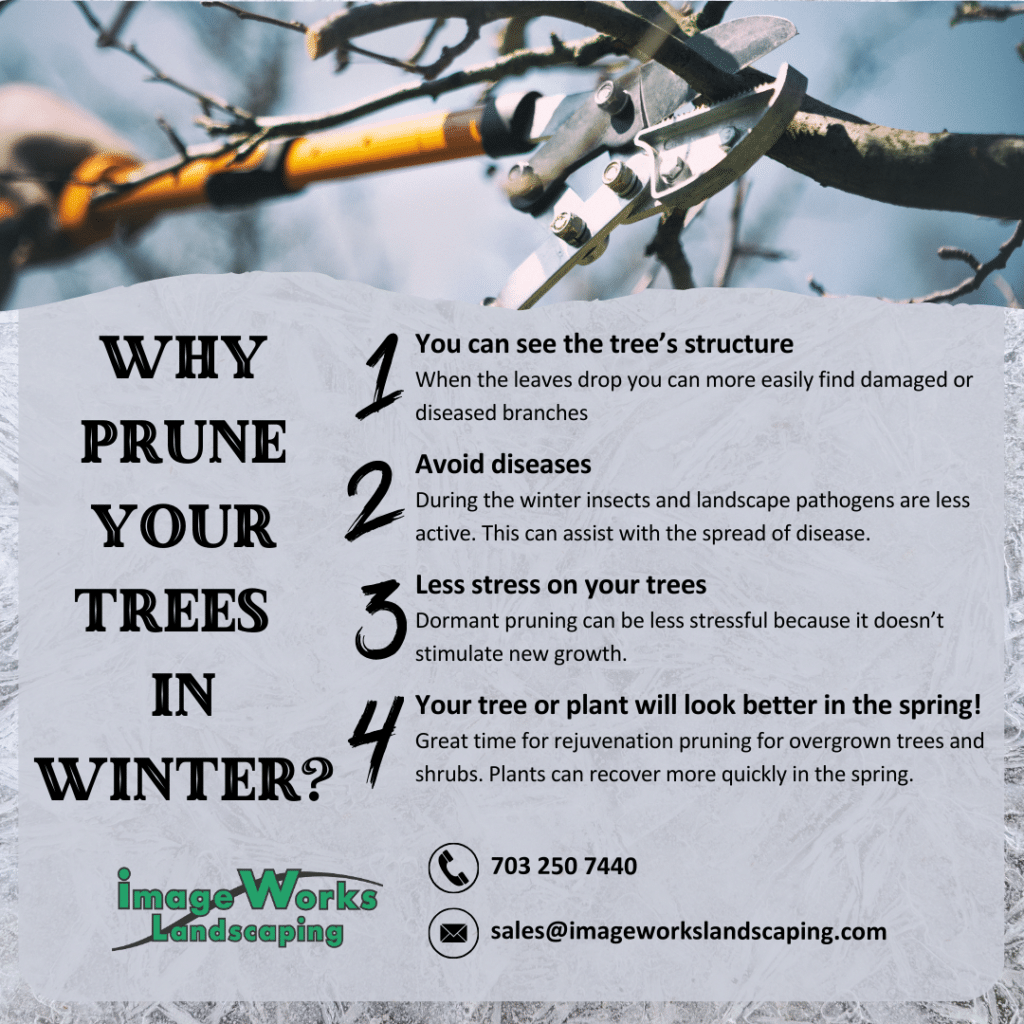
Quick Answer: If you’re wondering what to prune in July in Northern Virginia, focus on spring-flowering shrubs that are done blooming, light shaping on overgrown shrubs, spent perennials, and any branches blocking walkways, windows, or irrigation. Avoid heavy pruning on most trees and shrubs during peak summer stress, and use July as the month to clean up beds, improve airflow, and decide whether a larger landscape renovation is needed.
If you live in Northern Virginia, July is a tricky month for pruning. The heat is up, the soil can dry out quickly, and many plants are already under stress from long sunny days, compacted clay soils, and inconsistent rainfall. That does not mean you should ignore your landscape until fall. In fact, knowing what to prune in July in Northern Virginia can make a big difference in how your yard looks through the rest of summer and how healthy your shrubs and perennials are next spring. Homeowners in Annandale, Arlington, Fairfax, Vienna, Reston, and nearby communities often notice the same problems this time of year: shrubs growing into walkways, perennials flopping over after rain, and planting beds that look messy even after mowing. The key is pruning with a purpose. July is best for selective cleanup, not aggressive cutting. It is also a smart time to evaluate whether your landscape needs more than pruning, especially if overgrown beds, drainage issues, or failing plants are starting to affect curb appeal and usability. For many homeowners, a professional pruning visit can be the first step toward a cleaner, safer, and more polished yard.
What to Prune in July in Northern Virginia
When homeowners ask what to prune in July in Northern Virginia, the answer usually starts with shrubs that have finished flowering, perennials that are past their peak, and any growth that is creating a safety or maintenance issue. In this region, many spring bloomers such as weigela, spirea, and some viburnums can be lightly shaped after they finish flowering. That timing matters because pruning too early can remove next year’s flower buds, while pruning too late can encourage tender new growth that struggles in late-summer heat. July is also a good time to remove dead, damaged, or diseased branches from shrubs and small ornamental trees. If a branch is rubbing against siding, hanging over a walkway, or blocking visibility at a driveway, it should be addressed now rather than left until fall.
Perennials are another major category. Many homeowners in Northern Virginia have beds filled with daylilies, catmint, salvia, coneflowers, and black-eyed Susans. Some of these plants benefit from deadheading, which means removing spent flowers to encourage more blooms and keep the bed looking fresh. Others may need to be cut back if they are flopping open, crowding neighboring plants, or developing brown, tired-looking stems. July is not the month for a dramatic reset on every plant, but it is a good month for selective cleanup. If you notice a perennial bed that looks leggy, uneven, or overrun with weeds, pruning can improve the appearance temporarily, but it may also be a sign that the bed needs division, replanting, or a full redesign. That is especially true in older neighborhoods where foundation beds have become too dense or where the original plant spacing no longer fits the mature landscape.
For many homeowners, the most practical July pruning work is not about aesthetics alone. It is about reducing stress on plants, improving airflow, and preventing minor issues from becoming expensive landscape repairs. A shrub that is too large for its space can shade out lawn areas, block drainage, or press against a patio. A bed full of overgrown perennials can hide pests, trap moisture, and make routine maintenance harder. In those cases, pruning is part of a broader landscape management plan, not just a quick trim.
Shrubs That Can Usually Be Pruned in July
In Northern Virginia, July is often a safe time to prune shrubs that bloom on old wood in spring, but only after they finish flowering. That includes many azaleas, lilacs, forsythia, and some spirea varieties. The goal is to remove spent blooms, thin out crowded stems, and shape the plant without stripping it bare. Homeowners in places like Fairfax Station, Oakton, and Clifton often have mature foundation shrubs that have grown too wide over time. These shrubs may still be healthy, but they can start to crowd windows, hide architectural features, or create a heavy, unbalanced look. A careful July pruning can restore shape while preserving the plant’s natural form.
Hydrangeas require special attention because not all types should be pruned the same way. Some hydrangeas bloom on old wood, while others bloom on new wood. If you are not sure which type you have, it is safer to prune lightly or wait until you can identify the variety. This is one of the main reasons homeowners call a professional. A mistake with hydrangeas can mean losing blooms for the season. The same caution applies to ornamental trees and large shrubs that have become overgrown. A light corrective prune is usually fine, but a hard cutback in July can expose stems to sun scorch and stress the plant during a period of high heat.
There is also a practical side to July shrub pruning that many homeowners appreciate. If shrubs are blocking a path to the front door, hiding landscape lighting, or interfering with irrigation spray, trimming them now can improve both function and appearance. In neighborhoods like Arlington, Alexandria, and Falls Church, where lots are often smaller and planting beds sit close to entryways, a few inches of overgrowth can make a property feel cramped. A professional pruning service can help restore clean lines, improve sightlines, and make the entire front yard feel more intentional. If shrubs are beyond simple shaping and have become too large for the space, that may be the point where pruning turns into a renovation discussion, especially if you are also considering new hardscaping, drainage correction, or a more modern planting plan.
Perennials and Flower Beds: What to Cut Back and What to Leave Alone
Perennials can make a yard look lively, but by July they often start to show wear. In Northern Virginia, heat and humidity can cause some plants to flop, brown out, or develop spent blooms that make beds look tired even when the plants are still healthy. Knowing what to prune in July in Northern Virginia means understanding the difference between deadheading, cutting back, and over-pruning. Deadheading is the easiest place to start. Removing faded flowers from coneflowers, daylilies, salvia, and similar plants can improve appearance and sometimes encourage a second flush of blooms. It also keeps seed heads from taking over the bed and helps the landscape look maintained instead of neglected.
Some perennials can be cut back more aggressively if they are finished for the season or have become messy. For example, certain early bloomers may look much better after being trimmed down to fresh foliage, especially if they have spread into walkways or are leaning into neighboring plants. But not every perennial should be cut hard in July. Plants that are still actively blooming or that rely on their foliage for energy storage should be left mostly intact. Homeowners often make the mistake of trimming everything at once because the bed looks uneven. That can lead to fewer blooms, weaker plants, and more stress during the hottest part of summer. A better approach is selective pruning based on plant type, bloom cycle, and overall condition.
In older Northern Virginia landscapes, overgrown perennial beds often signal a bigger issue than maintenance alone. If the bed has become packed with mature plants, weeds, and bare patches, pruning may only provide a short-term fix. You may need to divide perennials, add fresh mulch, improve edging, or even rework the bed layout. This is where cost and value come into the conversation. A simple cleanup visit may be relatively affordable, but if the bed needs replanting or renovation, the project can quickly move into the $3,000-plus range, especially when labor, plant material, soil amendments, and cleanup are included. For homeowners planning to stay in their home, that kind of investment can be worthwhile because it improves curb appeal, reduces future maintenance, and creates a more polished landscape overall.
When Overgrown Beds Need More Than Pruning
Sometimes the real issue is not that a bed needs pruning. It is that the bed has outgrown its design. This is common in Northern Virginia communities where homes have mature landscapes that were installed years ago and never updated. Shrubs may be too close together, perennials may have spread beyond their original borders, and weeds may be filling in the gaps. In those cases, pruning can help temporarily, but it will not solve the underlying problem. If your beds look crowded even after trimming, or if the plants are constantly fighting for light and space, it may be time to consider a larger landscape improvement project.
That larger project might include bed redesign, new mulch, edging, drainage correction, or replacing outdated plant material with lower-maintenance options. In some yards, overgrown beds are connected to drainage problems because thick planting areas trap water or direct runoff toward the foundation. In others, the issue is more visual: the landscape simply looks heavy and dated. Homeowners in places like Springfield, Burke, Lorton, and Woodbridge often ask whether they should prune again or start over. The answer depends on the condition of the plants, the age of the bed, and your long-term goals. If the shrubs are healthy and the structure still works, pruning may be enough. If the bed is causing maintenance headaches, blocking access, or reducing usable yard space, a renovation may be the smarter investment.
This is also where professional judgment matters. A landscape contractor can tell you whether a shrub can be saved with selective pruning or whether it should be removed and replaced. They can also identify whether the bed is suffering from poor soil, root competition, or drainage issues that pruning alone cannot fix. For homeowners focused on long-term value, this is an important decision point. Spending a little on pruning now can be smart, but spending on repeated trims every season may cost more over time than a properly designed upgrade. If you are already thinking about patios, retaining walls, or lawn installation, July is a good time to evaluate how your planting beds fit into the bigger picture of the property.
Cost and Pricing Considerations for July Pruning
The cost of pruning in Northern Virginia depends on several factors, and homeowners should understand those before scheduling a service. The size and number of shrubs matter, but so do access, slope, plant density, and cleanup needs. A simple front-yard pruning job in a flat, easy-to-access Arlington or Fairfax property may cost far less than a full-bed cleanup on a steep lot in Clifton or a heavily landscaped home in Reston. If the crew needs to work around patios, retaining walls, irrigation heads, or delicate plantings, labor time increases. If the work includes hauling away clippings, shaping large hedges, or cutting back overgrown beds that have not been maintained in years, the price will reflect that additional effort.
Homeowners should also think about whether pruning is part of a larger project. If your shrubs are overgrown because the bed is too small, or if your landscape needs drainage improvements before new plantings can thrive, the real cost is not just the trim. It may include soil correction, new mulch, edging, plant replacement, or even hardscaping. That is why many homeowners end up investing in projects that exceed $3,000. A well-executed landscape improvement can include pruning, bed reshaping, drainage solutions, retaining walls, and new lawn installation in one coordinated plan. This often delivers better long-term value than piecemeal maintenance because it solves the root problem instead of repeatedly trimming around it.
From a budgeting standpoint, July is a smart month to get a professional assessment. You can compare the cost of a maintenance prune against the cost of renovation and decide whether to keep the current plantings or start fresh. If you are preparing to sell your home, a clean and well-shaped landscape can improve first impressions quickly. If you plan to stay, investing in the right fix can reduce future maintenance and make the property easier to enjoy. The best choice is not always the cheapest one in the moment; it is the one that gives you the best balance of appearance, plant health, and long-term value.
Local Northern Virginia Considerations Homeowners Should Know
Northern Virginia landscapes face a unique mix of challenges in July. The region’s heat, humidity, clay-heavy soils, and periodic summer storms can all affect how and when pruning should be done. In neighborhoods across Annandale, Alexandria, Fairfax, Vienna, and Herndon, shrubs and perennials often grow quickly in spring and then struggle once the weather turns hot. That means July pruning should be selective and thoughtful. Cutting too much can expose plants to sun stress, while cutting too little can leave beds looking overgrown and neglected. Local weather patterns also matter. After a storm, broken branches and leaning shrubs may need immediate attention, especially if they are close to entryways or driveways.
Another local factor is lot size and property style. Many Northern Virginia homes have compact front yards where every plant is visible from the street. In those settings, even small overgrowth can make the whole property look less maintained. On larger lots in areas like Fairfax Station, Oakton, and Sterling, the issue may be more about scale and access. Thick planting beds, mature hedges, and long foundation lines can become difficult to manage without professional equipment and experience. If your landscape includes retaining walls, sloped beds, or drainage channels, pruning should be done carefully so the work does not disturb soil or create runoff problems.
Homeowners should also consider timing around summer events and outdoor use. If you are hosting guests, staging your home for sale, or planning to use your patio more often, July pruning can improve the look and function of the yard immediately. A clean edge, better airflow, and trimmed shrubs can make patios feel more open and inviting. In many cases, pruning is the first step before larger improvements like a new patio, drainage correction, or lawn renovation. That is why local expertise matters. A Northern Virginia landscaping company understands not just what to cut, but how the entire property works together through the season.
Homeowner Decision Checklist
- Are the shrubs finished blooming, or are you unsure whether pruning now will remove next year’s flowers?
- Are branches blocking walkways, windows, irrigation, or driveway visibility?
- Do your perennial beds look tired, crowded, or uneven even after mowing and mulching?
- Are you seeing signs of stress, such as browning, flopping, or sparse growth?
- Do the beds need more than pruning, such as edging, mulch, replanting, or drainage correction?
- Are you trying to improve curb appeal before selling, hosting, or starting a larger landscape project?
- Would a professional assessment help you decide between maintenance pruning and a full renovation?
Why Choose Image Works Landscaping
Image Works Landscaping helps Northern Virginia homeowners make smart decisions about pruning, bed cleanup, and larger landscape improvements. We understand that July pruning is not just about trimming plants. It is about protecting your investment, improving curb appeal, and making sure your landscape works with your property instead of against it. Whether you live in Arlington, Alexandria, Fairfax, Reston, Springfield, Burke, Lorton, or a nearby community, our team brings local experience to every project. We know how Northern Virginia weather affects plant health, how mature landscapes age over time, and when a simple prune is enough versus when a more complete solution will save you money in the long run.
Homeowners choose Image Works Landscaping because we look at the whole property, not just the overgrown shrub in front of the window. If pruning reveals a bigger issue, we can help you think through the next step, whether that means drainage improvements, retaining walls, patio enhancements, or lawn installation. That broader perspective matters when you want results that last. A landscape that is trimmed today but poorly designed underneath will keep creating problems. Our goal is to help you make the right call for your home, your budget, and your long-term plans. If you want a trusted local team that understands both maintenance and larger landscape value, Image Works Landscaping is ready to help.
Conclusion: Make July Pruning Work for Your Northern Virginia Home
Knowing what to prune in July in Northern Virginia can help you keep your landscape healthy, attractive, and easier to maintain through the hottest part of the year. Focus on finished spring shrubs, spent perennials, and any growth that is interfering with daily use or curb appeal. Be careful not to over-prune, especially during summer heat, and pay attention to signs that your beds may need more than a quick cleanup. If shrubs are too large, perennials are overcrowded, or drainage and design issues are part of the problem, pruning may only be the first step. For many homeowners, July is the ideal time to get a professional opinion before minor issues turn into bigger and more expensive landscape repairs. If you are ready to improve the look and function of your yard, Image Works Landscaping can help you decide whether pruning, renovation, or a larger outdoor project is the best next move.
Call Image Works Landscaping today to schedule a professional pruning assessment and get expert help for your Northern Virginia home.