

Quick Answer: If mosquitoes, fleas, and ticks are taking over your yard, the best first step is to reduce the conditions that let them thrive: overgrown shrubs, shaded damp areas, standing water, and thick ground cover. For many homeowners, mosquito flea tick control northern virginia works best as part of a broader landscape plan that improves drainage, opens up dense planting beds, and makes the yard less attractive to pests in the first place.
If you live in Northern Virginia, you already know summer can turn a beautiful yard into a frustrating one fast. One week you are enjoying the patio, and the next you are swatting mosquitoes, worrying about ticks in the grass, and keeping pets away from the shaded side yard because of fleas. These pests are more than a nuisance. They can make it hard to use your outdoor space, limit time with kids and pets, and create real health concerns. Homeowners searching for mosquito flea tick control northern virginia are usually not just looking for a quick spray. They want a practical, lasting solution that fits their property, their budget, and the way their family actually uses the yard. That often means looking beyond pest control alone and considering the landscape conditions that are making the problem worse. In many cases, pruning, drainage improvements, lawn renovation, and targeted hardscape changes can make a major difference in how comfortable and usable your yard feels all summer long.
Why mosquitoes, fleas, and ticks are such a problem in Northern Virginia yards
Northern Virginia has the perfect mix of conditions for summer pests: humid weather, shaded lots, mature trees, dense plantings, and plenty of areas where water can collect after rain. Mosquitoes breed wherever water sits long enough, including clogged gutters, low spots in the lawn, birdbaths, plant saucers, and drainage areas that never fully dry out. Fleas often show up where pets spend time, especially in shaded lawn edges, under decks, and in thick ground cover. Ticks are especially common in areas with tall grass, leaf litter, brush, and the transition zones where woods meet the yard. If your property backs up to a tree line in places like Fairfax Station, Clifton, Reston, or Lorton, you may notice the problem is worse than in more open neighborhoods.
Many homeowners assume pests are only a matter of spraying a product and waiting for results, but the reality is more complicated. If your yard has overgrown shrubs, dense privacy hedges, or low-lying areas that stay damp after every storm, pests will keep coming back. That is why mosquito flea tick control northern virginia should be viewed as a property-wide issue, not just a one-time treatment. A yard with poor airflow and heavy shade can stay cool and moist long after the sun comes out, which creates ideal conditions for mosquitoes and ticks. If pets are also using the yard daily, fleas can spread quickly in the same areas where your family wants to relax. The most effective approach is to identify the parts of the landscape that are contributing to the problem and address them directly.
For many homeowners, the first clue is not a pest sighting but a lifestyle change. You stop using the back patio after dinner because mosquitoes are too aggressive. You avoid letting the dog into the side yard because of ticks. You notice the kids are getting bites after playing near the fence line. Those are signs that the yard itself needs attention, not just the pests. In Northern Virginia, that often means improving drainage, thinning out overgrown plantings, and making sure lawn areas are healthy enough to dry out properly after rain.
What actually works for mosquito, flea, and tick control in the yard
The most effective control strategy starts with reducing the habitat pests depend on. Mosquitoes need water, so the first step is to remove standing water and fix places where water lingers. That may mean cleaning gutters, regrading a low spot, improving downspout drainage, or adding a drainage solution that moves water away from the home and planting beds. Fleas and ticks thrive in shaded, protected areas, so trimming back shrubs, removing leaf buildup, and opening up dense areas can make a noticeable difference. If your yard has heavy tree cover or a thick border of shrubs, pruning can improve sunlight and airflow, which helps the ground dry faster and makes the space less inviting to pests.
In practical terms, homeowners often see the biggest improvement when landscape maintenance is paired with structural fixes. For example, a yard in Springfield with a soggy side lawn may keep attracting mosquitoes no matter how often it is treated if the real issue is a drainage problem. A yard in Vienna with a beautiful but overgrown foundation planting may keep harboring ticks because the shrubs are too dense and the mulch stays damp. In those cases, pruning alone helps, but it may not solve the whole problem. A better long-term plan could include selective pruning, lawn repair, and a drainage correction that keeps water from pooling near the house or patio. That is where a landscaping company can add real value beyond basic pest control.
Homeowners also need to think about how the yard is used. If you have children, dogs, or frequent outdoor gatherings, the goal is not just to reduce pest activity but to make the space more usable. That may mean creating cleaner edges around patios, removing brushy areas near play spaces, or replacing problem turf with a more manageable landscape layout. In some Northern Virginia properties, a new patio or retaining wall can even help by creating defined outdoor living space and reducing the amount of damp, overgrown transition area where pests hide. When you combine pest reduction with better yard design, the results tend to last longer and feel more noticeable.
How pruning, drainage, and lawn improvements help reduce pest pressure
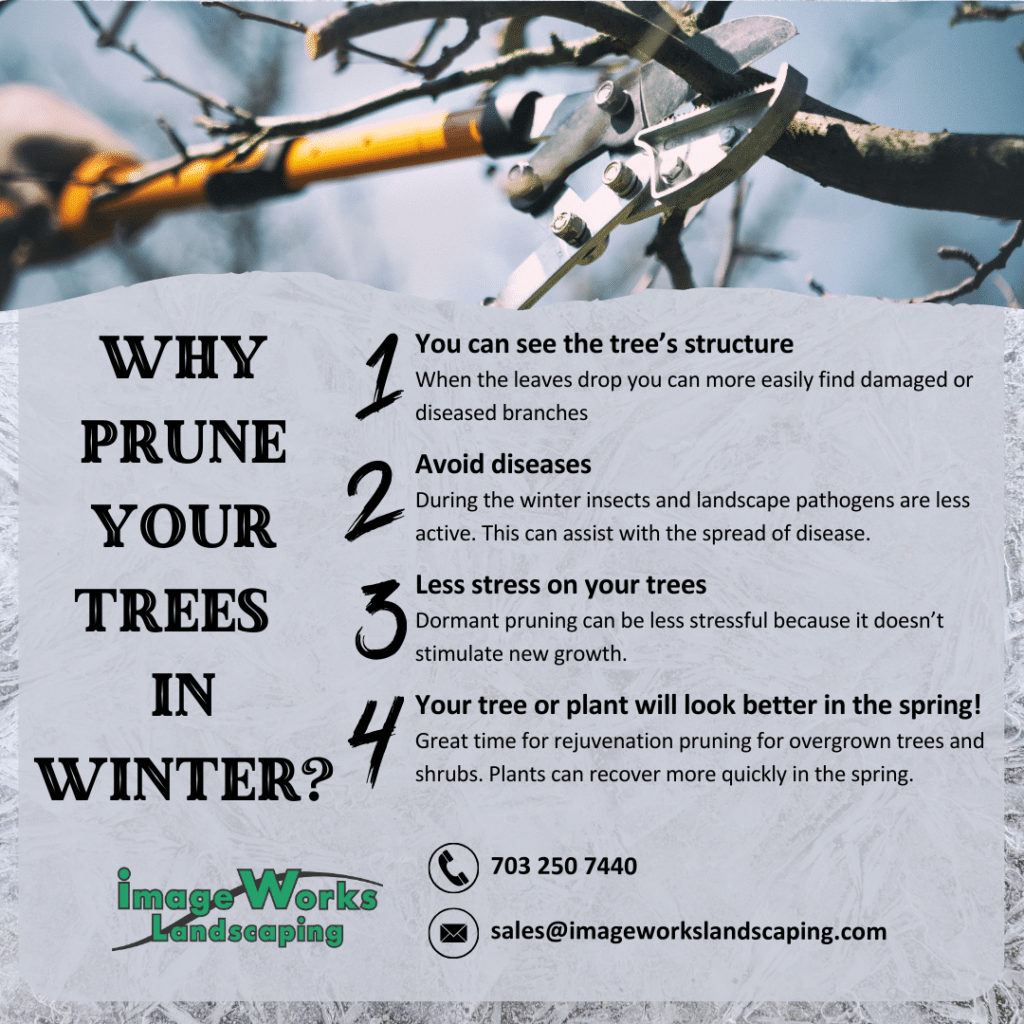
Pruning is one of the most overlooked tools in mosquito flea tick control northern virginia because homeowners often think of it only as a cosmetic service. In reality, pruning can change how a yard performs in summer. When shrubs are too dense, air circulation drops and moisture lingers. When tree limbs hang too low, they block sunlight from reaching the lawn and planting beds. When hedges grow thick along a fence line, they create cool, shaded corridors where ticks and fleas can hide. Strategic pruning opens up the landscape so it dries faster after rain and becomes less hospitable to pests. It also makes it easier to inspect the yard, maintain the lawn, and spot problem areas before they get worse.
Drainage is equally important. A lot of pest complaints in Northern Virginia come from yards that look fine on the surface but hold moisture underneath. That can happen in clay-heavy soils, in properties with poor grading, or in areas where downspouts dump water too close to the foundation. Mosquitoes do not need a pond to breed; they can use very small pockets of standing water. If your yard has a low corner that stays wet for days, or if mulch beds remain soggy after every storm, those conditions can support repeated pest activity. Drainage improvements such as regrading, French drains, dry creek beds, or downspout extensions can make a major difference and often improve the health of the entire landscape at the same time.
Lawn improvements also matter because thin, stressed turf gives pests more room to thrive. Bare patches, compacted soil, and uneven grading can create ideal hiding spots along the edges of your property. If your lawn is patchy or worn out, especially in high-traffic areas or shaded sections, a lawn installation or renovation may be part of the solution. A healthier lawn dries more evenly, supports better circulation, and reduces the brushy edge conditions that ticks prefer. For homeowners in places like Arlington, Alexandria, and Falls Church, where lots are often smaller and more intensively used, these improvements can have an outsized impact on comfort and curb appeal. In many cases, the best long-term pest reduction plan is not a single treatment but a coordinated landscape upgrade that includes pruning, drainage, and lawn restoration.
Cost considerations: what homeowners should expect and what affects pricing
When homeowners start comparing options, cost is usually one of the biggest questions. Basic pest treatments can seem affordable at first, but if the underlying landscape problems are not addressed, the expense can repeat all summer. That is why it helps to think in terms of total value rather than just the price of a single visit. The cost of mosquito flea tick control northern virginia can vary widely depending on the size of the property, the amount of shade, the amount of overgrowth, and whether drainage or pruning work is needed. A small yard with limited problem areas may only need targeted maintenance, while a larger property with wooded edges, wet spots, and dense plantings may require a more involved plan.
Labor is often the biggest factor. If a crew needs to prune overgrown shrubs, clear debris, improve access to problem areas, or work around mature trees and slopes, the project takes more time and skill. Materials can also affect pricing. Drainage solutions may require pipe, gravel, catch basins, or grading materials. Lawn installation may involve soil preparation, seed or sod, and irrigation adjustments. If a patio or retaining wall is part of the solution, the budget can move into a much higher range, but those projects can also deliver long-term value by solving comfort, usability, and drainage issues at the same time. For many homeowners, that is where a $3,000+ project starts to make sense because it addresses the root cause instead of just masking the symptoms.
Another cost factor is timing. Waiting too long can make a small issue more expensive. A wet low spot that could have been corrected with a drainage adjustment may eventually damage turf, stress plantings, and create a larger cleanup and repair bill. Overgrown shrubs that could have been selectively pruned may become so dense that removal and replacement is the better option. If you are deciding whether to hire now or wait, consider how often you use the yard, whether pets and children are exposed, and whether the problem is getting worse after each rain. In many cases, spending money on the landscape now saves money later by preventing repeated treatments, lawn damage, and more extensive repairs.
Local Northern Virginia considerations homeowners should not ignore
Northern Virginia properties are not all the same, and that matters when you are trying to control pests. A home in Arlington or Alexandria may have a smaller yard with tight side setbacks, mature shade trees, and limited sunlight, which can make airflow and drainage especially important. A property in Fairfax Station, Clifton, or Oakton may have larger wooded edges, steeper grades, and more natural habitat nearby, which increases tick pressure. In areas like Herndon, Reston, and Sterling, many homeowners deal with clay soil and drainage challenges that keep parts of the yard damp longer than they should be. In Springfield, Burke, and Newington, older landscapes may have mature shrubs and aging lawn areas that need renovation to function better in summer.
The local climate also creates a long pest season. Warm, humid stretches can arrive early and linger well into fall, which means a yard that feels manageable in May can become a problem by July. Heavy summer storms can fill low spots, overwhelm downspouts, and create new breeding areas almost overnight. That is why homeowners in Northern Virginia often need more than a seasonal spray. They need a landscape plan that accounts for the way water moves across the property, how much shade the yard gets, and how the space is actually used. If your patio is unusable by evening or your dog keeps bringing ticks inside, the issue is not just inconvenience. It is a sign that the yard needs a better design.
This is also why local expertise matters. A company that works in Northern Virginia every day understands which properties tend to hold water, which neighborhoods have mature tree cover, and which landscape changes provide the best return on investment. In some cases, the right answer is a drainage fix. In others, it is pruning and bed cleanup. In many cases, the best result comes from combining several improvements into one coordinated project. That is especially true for homeowners who want a more polished outdoor space, not just fewer pests. If you are already considering a patio upgrade, retaining wall, or lawn installation, it may be the right time to address pest-friendly conditions at the same time so the new space is more comfortable from day one.
Homeowner decision checklist: when to act now and when to wait
- If you are getting bitten every time you use the yard, do not wait until fall. The problem is active now and likely tied to current landscape conditions.
- If water stands in the same area after rain, drainage should be evaluated before you spend money on repeated pest treatments.
- If shrubs, hedges, or tree branches are dense and low, pruning may be one of the fastest ways to reduce shade and moisture.
- If your lawn has bare patches, muddy edges, or compacted soil, a lawn renovation may be part of the long-term solution.
- If pets are bringing fleas or ticks indoors, the yard should be inspected for shaded hiding areas and brushy edges.
- If you are planning a patio, retaining wall, or other outdoor living project, it is smart to address pest-prone conditions as part of the same job.
- If the issue is limited to a few obvious problem spots, you may be able to correct them quickly before they spread.
- If the yard backs to woods, a drainage swale, or a heavily shaded fence line, a more comprehensive plan is usually worth the investment.
Why choose Image Works Landscaping
Image Works Landscaping helps Northern Virginia homeowners solve outdoor problems in a way that makes the whole property better, not just one symptom. If you are dealing with mosquitoes, fleas, and ticks, the real value often comes from improving the landscape conditions that attract them. That is where our team stands out. We understand how pruning, drainage, lawn installation, retaining walls, and patio design can work together to create a healthier, more usable yard. Instead of treating the problem as a temporary annoyance, we look at the full property and recommend solutions that make sense for your home, your budget, and your long-term goals.
Homeowners choose Image Works Landscaping because we focus on practical results and clear communication. If your yard needs selective pruning to open up airflow, we can handle that. If poor grading is creating wet spots, we can evaluate drainage options. If your lawn is thin, patchy, or worn out, we can help restore it. And if you are ready to invest in a more complete outdoor upgrade, we can design and build patios, retaining walls, and other features that improve both function and curb appeal. For many clients, the best outcome is a project that solves multiple issues at once, especially when the total investment is in the $3,000+ range and the goal is long-term value.
We also understand the expectations of homeowners in communities like Vienna, Fairfax, Arlington, Alexandria, Reston, and Springfield. You want a yard that looks good, feels comfortable, and supports the way your family lives. You do not want a patchwork fix that needs to be repeated every few weeks. Our approach is built around lasting improvements, local knowledge, and solutions tailored to Northern Virginia properties.
FAQ
How do I know if my yard problem is mosquitoes, fleas, or ticks?
Mosquitoes usually show up as biting activity around dusk, especially near shaded or damp areas. Fleas and ticks are more common where pets, tall grass, brush, or leaf litter are present, and ticks are often found near wooded edges or overgrown planting beds.
Is pruning really important for pest control?
Yes, because dense shrubs and low branches create shade, trap moisture, and make it easier for pests to hide. Selective pruning can improve airflow and sunlight, which helps the yard dry faster and become less attractive to mosquitoes, fleas, and ticks.
How much does it usually cost to fix pest-prone yard conditions?
Costs vary based on the size of the property and the work involved, but simple pruning and cleanup are much less expensive than drainage repairs or lawn replacement. If the problem includes grading, retaining walls, or patio work, the project can become a larger investment, but it often delivers better long-term value.
Should I hire someone now or wait until next season?
If you are already dealing with bites, pet concerns, or standing water, it usually makes sense to act now. Waiting often allows the problem to spread, which can make the eventual repair more expensive and more disruptive.
Can drainage improvements really reduce mosquitoes?
Yes, because mosquitoes need standing water to breed, and even small wet areas can become a problem. Fixing grading, downspouts, or low spots can reduce breeding conditions and improve the health of the entire yard.
What projects give the best long-term value if I want to improve my yard this summer?
For many Northern Virginia homeowners, the best long-term value comes from drainage improvements, lawn installation, pruning, and outdoor living projects like patios or retaining walls. These upgrades can make the yard more comfortable, reduce pest pressure, and improve curb appeal at the same time.
Take back your yard this summer
If mosquitoes, fleas, and ticks are making your Northern Virginia yard hard to enjoy, the solution is usually bigger than a quick spray. The most effective mosquito flea tick control northern virginia strategy combines smart landscape maintenance with real property improvements, especially pruning, drainage correction, and lawn restoration. When those pieces come together, your yard becomes drier, brighter, healthier, and far less inviting to pests.
If you are ready to make your outdoor space more comfortable and usable, Image Works Landscaping can help you evaluate the problem and recommend the right next step. Whether your yard needs pruning, drainage work, a new lawn, or a larger patio or retaining wall project, our team is here to help you create a better outdoor environment for summer and beyond. Contact Image Works Landscaping today to schedule a consultation and start turning your yard into a space your family can actually enjoy.