

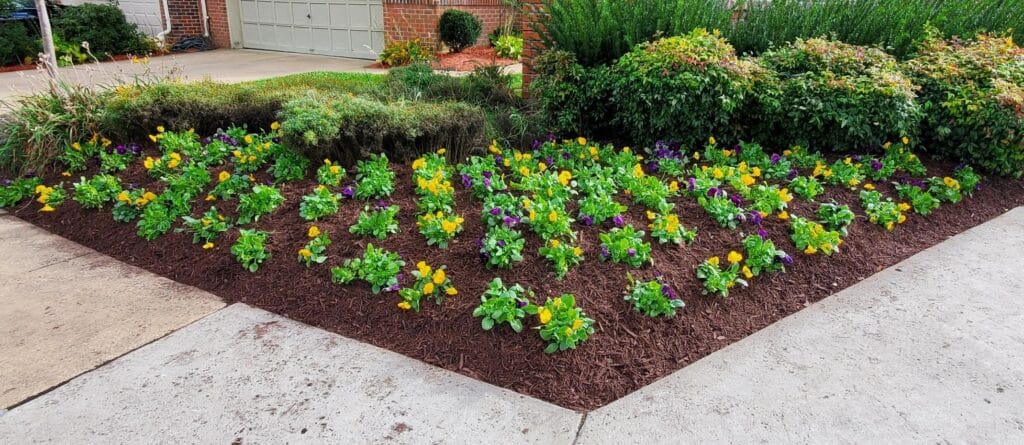
Spring Mulching and Flower Bed Prep
Spring is the perfect time to refresh your garden. Mulching is a key step in this process. It offers numerous benefits for your plants and soil.
In Northern Virginia, spring mulching is essential. It helps prepare your garden for the growing season. This practice is crucial for maintaining healthy flower beds.
Mulching retains soil moisture and suppresses weeds. It also enhances the aesthetic appeal of your garden. Choosing the right mulch type is important for optimal results.
Organic mulching materials, like wood chips, enrich the soil. They decompose over time, providing nutrients. This sustainable approach supports a thriving garden ecosystem.
Whether you’re in Arlington or Fairfax, spring mulching is vital. It ensures your garden is ready for the months ahead. Embrace this practice for a beautiful, healthy garden.
Why Spring Mulching Matters in Northern Virginia
Spring mulching is crucial in Northern Virginia due to unique local climate patterns. The region experiences diverse weather, affecting plant growth. Proper mulching helps manage these conditions effectively.

Mulching in spring provides significant advantages for gardeners here. It creates a protective barrier against temperature fluctuations. This layer helps to maintain consistent soil temperatures, crucial for early plant growth.
Moreover, mulching prevents soil erosion during heavy rains, common in this area. It guards the topsoil, retaining essential nutrients necessary for plant health. As a result, your plants grow stronger and more resilient.
Key benefits of spring mulching include:
-
- Moisture retention to reduce watering needs.
-
- Weed suppression, minimizing garden maintenance.
-
- Soil temperature regulation for optimal plant growth.
These benefits underscore the importance of mulch in garden care. Residents in Alexandria and Arlington, Virginia, can enjoy healthier gardens with less effort. Engaging in spring mulching is an effective strategy for vibrant flower beds.
Spring Clean Up: Preparing Flower Beds for Mulching
Preparing your flower beds is a crucial step before mulching. A clean slate ensures your mulch will work effectively. Begin your spring garden care by removing debris and dead plant matter.

Start by trimming dead or decaying branches from plants. This promotes healthy growth and clears the way for new life. It’s also the perfect time to remove weeds and unwanted growths from your flower beds.
Once the larger debris is cleared, focus on smaller particles. Rake away fallen leaves and loosen compacted soil. This helps the new mulch layer connect directly with the soil, enhancing its beneficial properties.
Essential spring clean-up tasks include:
-
- Trimming and pruning plants.
-
- Removing weeds and debris.
-
- Loosening compacted soil.
-
- Raking leaves and twigs.
Having a well-prepared bed allows your new mulch to retain moisture effectively. It also enables improved air circulation around plant roots. Efficient garden maintenance is key to thriving plants throughout the growing season in Northern Virginia.
Choosing the Right Mulch: Types and Benefits
Choosing the right type of mulch is crucial for your garden’s health. It affects everything from soil moisture to weed control. Understanding mulch types helps you make informed decisions for your garden needs.
Organic mulches, like wood chips and bark, offer numerous benefits. They decompose over time, enriching the soil with essential nutrients. This improves soil health and supports plant growth.
Inorganic mulches, such as gravel and stones, are more durable. These materials do not decompose, providing long-term stability and weed suppression. However, they lack the soil-enriching benefits of organic options.
Here are some popular mulch types and their benefits:
-
- Wood Chips: Improve soil fertility, retain moisture.
-
- Bark Mulch: Prevents weeds, aesthetically pleasing.
-
- Gravel: Long-lasting, ideal for permanent installations.
-
- Straw: Lightweight, good for vegetable gardens.
Selecting the right mulch often depends on personal preference and specific garden needs. For example, gardens prone to heavy rain may benefit from inorganic mulches to prevent soil erosion. Understanding these factors will help tailor your choice to suit your garden perfectly, maximizing mulch benefits.
Organic Mulching: Sustainable Garden Care
Organic mulching offers an eco-friendly option for garden care. It not only nourishes your plants but also supports the environment. These mulch types decompose over time, returning nutrients back to the soil.
Using organic mulch enhances biodiversity in your garden. It provides a habitat for beneficial insects and microorganisms. This natural process contributes to a healthier and more sustainable garden ecosystem.
Here are some organic mulching materials to consider:
-
- Wood Chips: Helps improve soil structure.
-
- Grass Clippings: Offers a quick nutrient boost.
-
- Leaves: Inexpensive and abundant.
-
- Compost: Rich in nutrients, supports plant growth.
Embracing organic mulching principles leads to a greener garden. It encourages sustainable practices that benefit your soil and plants. Choosing organic options aligns with the goals of environmentally conscious gardening.
Mulching Techniques for Healthy Flower Beds
Achieving healthy flower beds through proper mulching requires specific techniques. These techniques help ensure that your mulch provides maximum benefits to your plants. By applying mulch correctly, you can improve your garden’s overall health.
The thickness of your mulch layer is crucial. Aim for 2-4 inches to retain moisture and suppress weeds effectively. However, too much mulch can suffocate plant roots.
Creating space around plant bases is important. Avoid piling mulch directly against stems or trunks. This can prevent rotting and allow plants to breathe.
Here are some essential mulching techniques:
-
- Avoid Mulch Volcanoes: Keep the mulch flat around plants.
-
- Layer Evenly: Ensure consistent coverage.
-
- Replenish Regularly: Add fresh mulch as needed.
-
- Consider Plant Needs: Tailor mulch based on plant species.
Adapting your approach based on the type of plants is key. Some plants prefer more ground-level exposure. Understanding these preferences can lead to a more vibrant and flourishing flower bed. With the right techniques, mulch becomes a powerful tool in your gardening arsenal.
Mulching Leaves in Spring: Tips and Best Practices
Mulching leaves in spring can boost soil health. This technique recycles nutrients back into the earth. It also promotes a richer, more fertile soil environment.
Ensure leaves are finely shredded before use. Smaller pieces break down more quickly. This accelerates the nutrient release process, benefiting your garden faster.
Monitor the thickness of leaf mulch carefully. While it’s beneficial, too much can cause matting. Matting restricts water and air flow, hindering plant growth.
Here are some best practices for mulching leaves:
-
- Shred leaves thoroughly before application
-
- Apply in thin layers to avoid matting
-
- Mix with other organic materials for balance
-
- Monitor soil moisture levels regularly
Incorporating leaf mulch into your routine is simple and rewarding. By following these tips, you can enhance your garden’s vitality.
Mulching in Spring vs. Fall: What’s Best for Your Garden?
Deciding when to mulch depends on your garden’s needs. Spring mulching offers benefits for new growth. It helps conserve moisture and prepares plants for summer.
Fall mulching, on the other hand, is great for insulation. It protects roots from harsh winter conditions. Both seasons have their unique advantages for garden vitality.
Each garden is different, so choose based on plant type and climate. Here are some considerations:
-
- Spring mulching: Enhances growth and moisture retention
-
- Fall mulching: Shields and insulates during colder months
-
- Consider plant needs and local climate conditions
Consider timing and your garden’s specific requirements. By choosing the right season for mulching, you optimize plant health and garden aesthetics.
Common Mulching Mistakes to Avoid
Mulching is beneficial but can be tricky. Avoid common pitfalls to ensure effective results. Over-mulching is a frequent mistake that can suffocate plant roots.
Another mistake is using the wrong mulch type. Not all mulches work for every plant or garden. Choose wisely to match your garden’s needs.
Proper application is crucial for mulching success. Be mindful of these errors:
-
- Piling mulch against tree trunks: Can cause rot
-
- Using weed-infested mulch: Introduces pests
-
- Applying thick layers: Leads to poor air circulation
Understanding these mistakes helps you achieve a thriving garden. Apply mulching techniques carefully to maximize benefits and prevent potential issues.
Spring Mulch Tips for Arlington, Fairfax, and Surrounding Areas
Spring mulching is essential for preparing gardens in Arlington, Fairfax, and nearby regions. The local climate presents unique challenges that can be mitigated with the right mulching practices. Start by assessing your garden’s specific needs to choose the appropriate mulch type and technique.
When selecting mulch, consider options that suit both aesthetic preferences and functional requirements. Use materials that help retain moisture and suppress weeds. This practice will reduce garden maintenance and promote plant health in the warming months.
Apply these spring mulch tips for best results:
-
- Use organic mulches like wood chips for soil enrichment
-
- Maintain a mulch layer of 2-4 inches for optimal results
-
- Check for pests regularly and address issues promptly
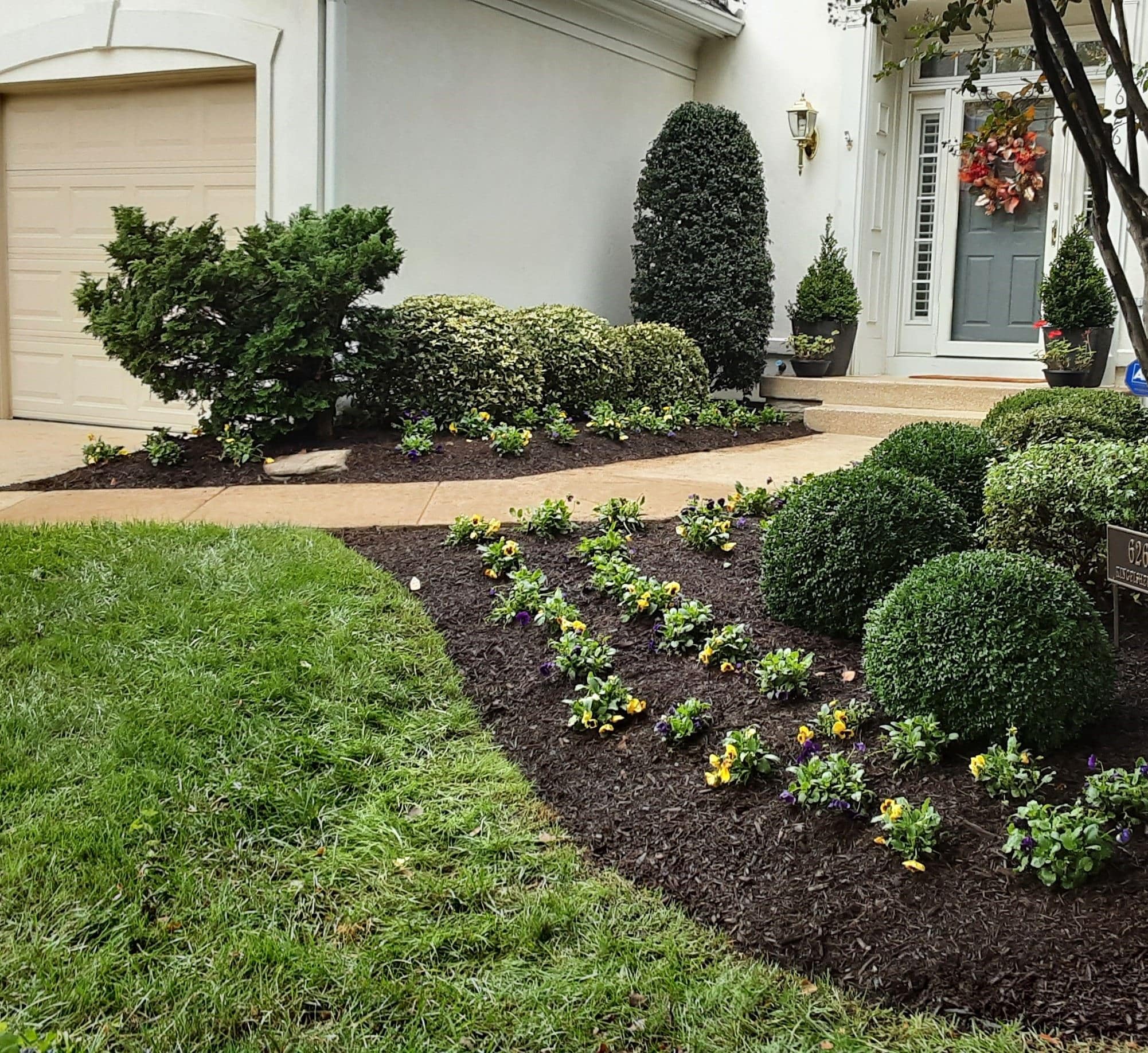
Adopting these tips will ensure your garden flourishes through the season, providing beauty and vitality all year round.
Professional Mulching Services: Image Works Landscaping
For homeowners looking for expert help, Image Works Landscaping offers professional mulching services. They cater to gardens in areas such as Arlington, Fairfax, and surrounding Virginia locations. Their experienced team ensures that your garden receives the right mulch type and application for healthy growth.
With Image Works Landscaping, you gain access to:
-
- Professional advice on mulch selection
-
- Efficient mulching techniques tailored to your garden’s needs
-
- Comprehensive garden care including spring clean up and mulching
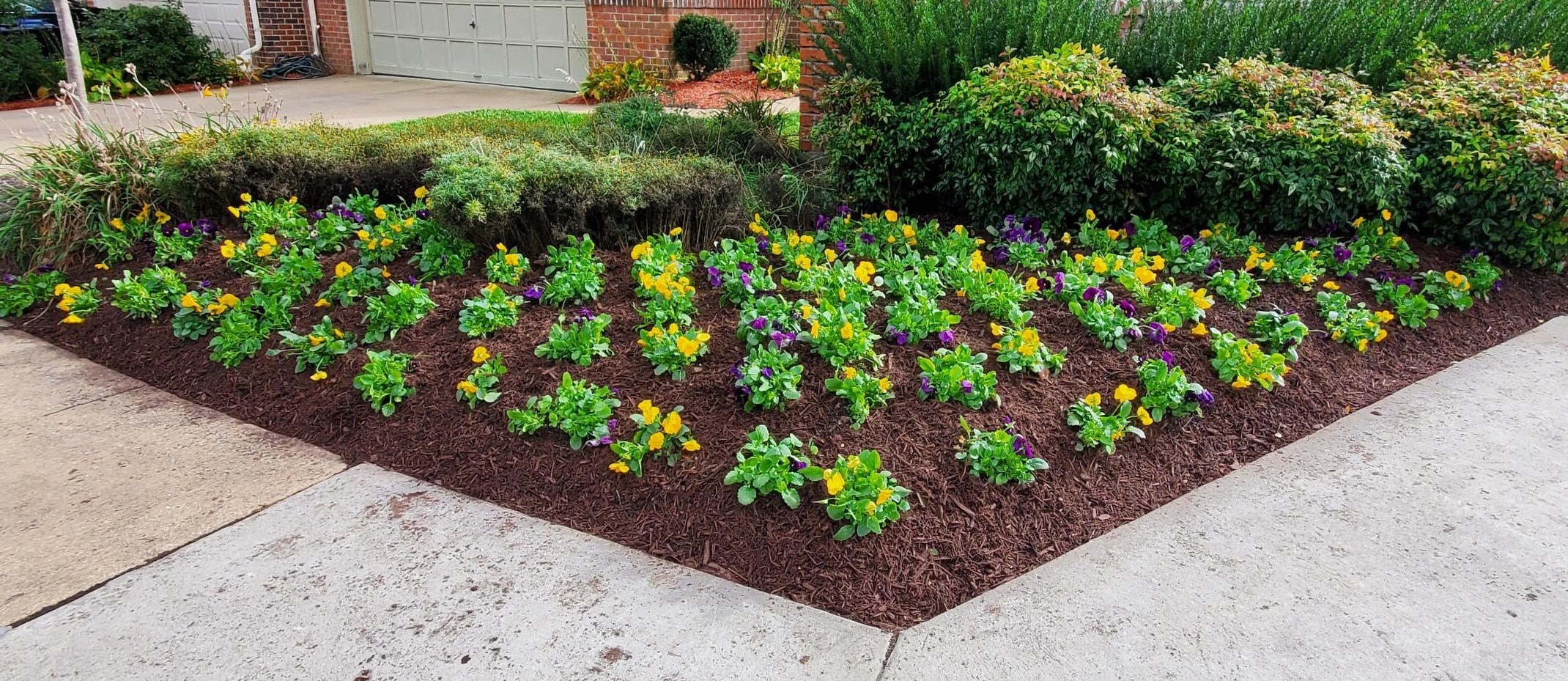
Rely on their expertise to keep your garden in peak condition throughout the year. This investment can transform your outdoor space into a thriving, vibrant oasis.
Conclusion: Invest in Spring Mulching for a Thriving Garden
Spring mulching is a wise choice for any gardener looking to boost their garden’s health and appearance. It offers numerous benefits, from improving soil health to suppressing weeds and enhancing aesthetics.
By understanding and applying the right mulching techniques, you set the stage for a vibrant garden season. For those in Arlington, Fairfax, and nearby areas, spring is the ideal time to undertake this crucial task. Invest in spring mulching now, and enjoy a flourishing garden all year round.