

How to Control Weeds on Driveways Walkways and Patios
Weeds are an unwelcome sight on driveways, walkways, and patios, often sprouting in the most inconvenient places. They not only disrupt the aesthetic appeal of your property but also contribute to structural damage over time, as their roots can expand cracks and displace pavers. Understanding how weeds grow and why they’re persistent is the first step in controlling them effectively. By gaining insights into their growth patterns, homeowners can implement more effective strategies to manage and prevent weed infestations.
Weeds find the small cracks and spaces between pavers an ideal environment because these areas naturally collect dirt, moisture, and organic debris. This combination creates a perfect habitat for seeds to germinate and thrive. Even the smallest crevice can become a home for these tenacious plants, as they are incredibly adaptive and can survive in less-than-ideal soil conditions. The key to controlling them lies in disrupting their growth cycle and preventing them from taking root. Regular monitoring and timely intervention can significantly reduce the chances of weeds taking hold in these vulnerable spaces.
Various methods can help manage and prevent weeds on your driveways, walkways, and patios. Some methods are more labor-intensive, requiring physical effort and time, while others utilize chemical solutions for a quicker result. It’s essential to choose the method that best suits your needs, taking into account the size of the area and the severity of the weed problem. Here’s a comprehensive look at your options, each with its own set of advantages and considerations to weigh before implementation.
One straightforward method is to remove weeds manually, which can be highly effective for small areas or minor infestations. This hands-on approach allows you to target specific weeds without affecting surrounding plants or surfaces. Use a knife or a specialized weeding tool to dig out weeds, ensuring you remove the root to prevent regrowth. However, this can be labor-intensive and may not be practical for larger areas where weeds are more widespread. Additionally, manual removal requires consistent effort and vigilance to ensure that all weeds, including those in hard-to-reach places, are effectively managed.
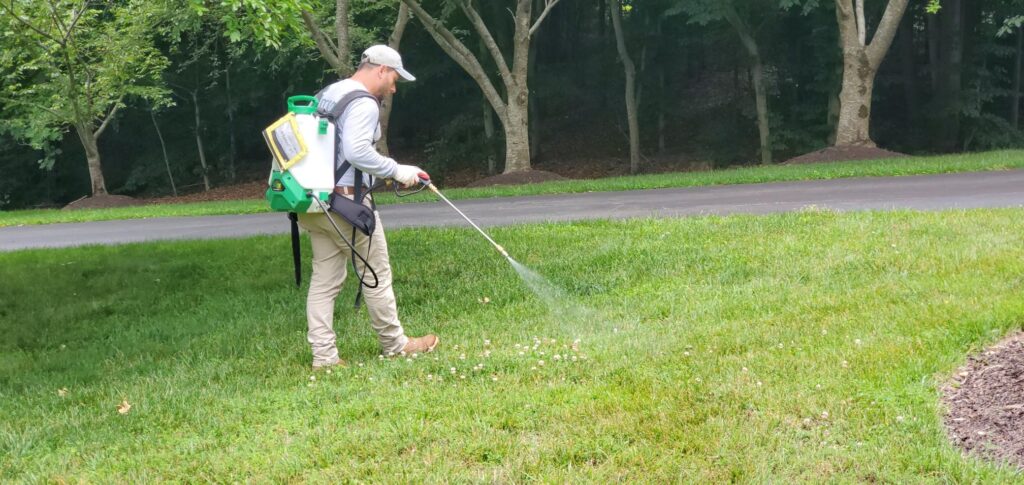
There are numerous chemical solutions available that can kill weeds quickly and efficiently. These include commercial herbicides and homemade options, each with its own application methods and safety considerations. Always follow the manufacturer’s instructions carefully to avoid damaging surrounding plants or the environment, as misuse can lead to unintended consequences.
- Commercial Herbicides: These are powerful and effective in killing weeds, often providing rapid results. Look for a product specifically designed for use on driveways and patios to ensure compatibility with your surfaces.
- Vinegar Weed Killer: A natural alternative, vinegar can kill weeds due to its high acidity. Mix vinegar with a small amount of dish soap and apply it directly to the weeds, allowing the mixture to penetrate the plant’s defenses.
- Baking Soda: Sprinkle baking soda on the cracks to prevent weed growth. It’s especially effective in areas with existing weeds as it dries them out by drawing moisture away from the plant tissues.
Preventing weeds is always preferable to removing them after they’ve grown. By implementing preventive measures, you can maintain a clean and attractive outdoor space with less effort over time. Here are some strategies to keep your driveways, walkways, and patios weed-free, focusing on long-term solutions that reduce the likelihood of weed establishment.
Sealing cracks in your pavement or between pavers can prevent weeds from taking root by eliminating the spaces where seeds typically settle. Use a high-quality sealant to fill gaps, creating a barrier that prevents dirt and debris from accumulating. This not only deters weed growth but also enhances the durability and appearance of your surfaces, protecting them from weathering and erosion. Regularly inspect and reseal these areas as needed to maintain their integrity and effectiveness.
Installing a weed barrier fabric beneath gravel or pavers can prevent weeds from growing up through the materials. This fabric acts as a physical barrier that allows water to pass through but blocks sunlight and seed germination. By depriving weeds of the light they need to grow, the fabric significantly reduces the likelihood of weeds establishing themselves. When installing, ensure the fabric is overlapped and securely anchored to prevent it from shifting or tearing, which could compromise its effectiveness.
Regularly sweeping and cleaning your driveways and walkways can remove debris and organic matter that encourage weed growth. Keeping these areas clean and free of dirt can significantly reduce the potential for weed problems, as it deprives seeds of the nutrients and moisture they need to germinate. Establish a regular maintenance schedule that includes inspecting for early signs of weed growth and addressing them promptly. This proactive approach can save time and effort in the long run, maintaining the beauty and functionality of your outdoor spaces.
Different surfaces require tailored approaches for effective weed control, as each material presents unique challenges and considerations. By understanding the specific needs of your driveway, walkway, or patio, you can implement more targeted and effective weed management strategies. Here’s a closer look at how to address weed problems on various surfaces, ensuring that each area remains attractive and functional.
Gravel driveways are particularly prone to weeds because they offer many spaces for seeds to settle. The loose nature of gravel makes it easy for weeds to establish themselves if not properly managed. Here are some tips to keep them weed-free:
- Install a Weed Barrier: Before laying gravel, install a weed barrier fabric to prevent weeds from growing up through the gravel. This preemptive measure creates a long-lasting defense against weed intrusion.
- Regular Raking: Rake the gravel regularly to disturb any weeds trying to establish themselves. This simple action can prevent weeds from taking hold by disrupting their growth cycle.
- Use Salt or Vinegar: Apply a salt or vinegar solution to the gravel to kill existing weeds and prevent new growth. These natural solutions can be effective when used judiciously, providing an environmentally friendly alternative to chemical herbicides.
Patios and walkways with pavers can be especially challenging due to the numerous joints and crevices that provide opportunities for weed growth. Consider the following strategies to maintain a pristine appearance:
- Polymeric Sand: Use polymeric sand to fill the joints between pavers. This type of sand hardens when wet, making it difficult for weeds to grow through and providing a stable surface that resists shifting.
- Apply a Sealant: Sealing the surface of the pavers can prevent weeds from taking root in the joints. Regular resealing helps maintain this protective barrier, ensuring its continued effectiveness.
- Regular Inspection: Regularly inspect and address any small weeds before they become a larger problem. Early intervention is key to preventing widespread infestations and maintaining the integrity of your paved areas.
Living in areas like Chantilly, Springfield, or Alexandria, Virginia, presents unique challenges due to the local climate and environmental conditions. The warm and humid climate encourages rapid weed growth, making it essential for residents to adopt effective strategies tailored to these conditions. Understanding the local environment can inform your approach to weed control, ensuring that your efforts are both effective and sustainable.
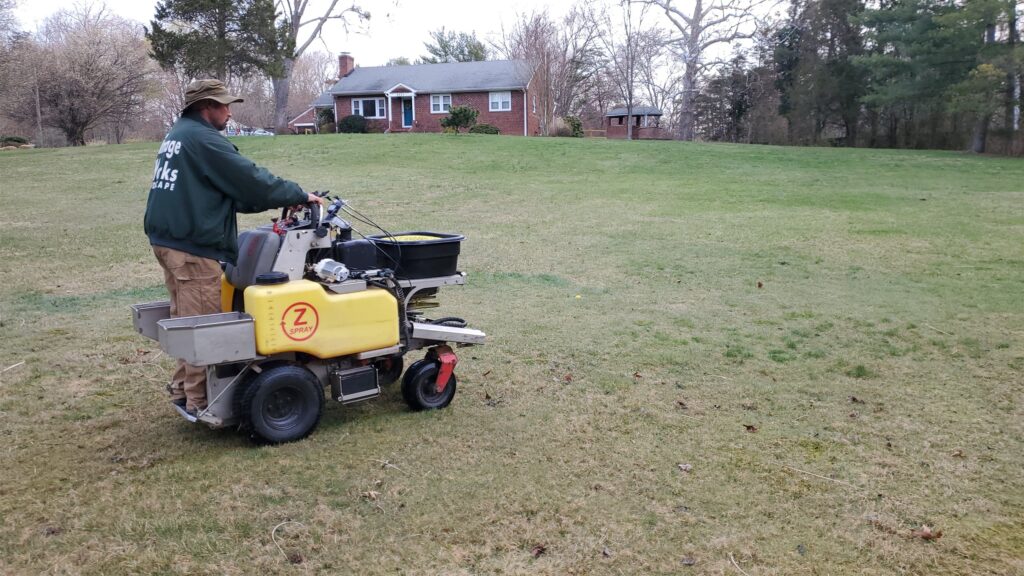
If you’re struggling with persistent weed problems, consider engaging local experts such as Image Works Landscaping. They have the expertise and tools necessary to manage and prevent weed growth effectively, offering tailored solutions that address the specific challenges of the Virginia climate. Consulting with professionals can provide valuable insights and recommendations, helping you achieve long-lasting results.
Community involvement in areas like Arlington or Fairfax Station can also play a role in keeping public walkways and sidewalks weed-free. Participate in local clean-up efforts to maintain the beauty and safety of your community spaces, fostering a sense of pride and cooperation among residents. Collaborative initiatives can amplify individual efforts, creating a cleaner and more attractive environment for everyone to enjoy.
Controlling weeds on driveways, walkways, and patios requires a proactive approach that combines manual, chemical, and preventive measures. By understanding the unique challenges of your environment and employing a variety of strategies, you can maintain a weed-free property that enhances your home’s curb appeal and longevity. A multifaceted approach not only addresses current weed problems but also prevents future infestations, saving time and resources in the long run.
Remember, consistency is key. Regular maintenance and timely intervention can save you time and effort in the long run, keeping your outdoor spaces beautiful and inviting. By staying vigilant and adapting your strategies to changing conditions, you can effectively manage weeds and enjoy a pristine outdoor environment year-round.