

Seasonal Guide for Weed and Feed
Maintaining a lush, green lawn is a goal for many homeowners. However, weeds can often spoil the appearance of your yard. The solution? A strategic approach to using weed and feed products. Understanding when and how to apply these products is crucial for achieving the best results. This guide will walk you through the seasonal application of weed and feed to help you maintain a beautiful lawn year-round.
Weed and feed products are designed to do two things: eliminate weeds and provide essential nutrients to your lawn. They usually contain a combination of herbicides to tackle weeds like dandelions and clover, and fertilizers to promote grass growth. The key to success is knowing the right time and frequency to apply these products.
Components of Weed and Feed
Weed and feed products are composed of two main components: herbicides and fertilizers. The herbicides are responsible for killing unwanted weeds, while the fertilizers provide essential nutrients that promote healthy grass growth. Understanding the balance between these two components is crucial, as too much herbicide can harm your lawn, while insufficient fertilizer can stunt grass growth.
Types of Weed and Feed Products
There are different types of weed and feed products available in the market, each catering to specific needs. Some are designed for specific grass types, while others are formulated to tackle particular weed species. It’s essential to choose a product that aligns with your lawn’s requirements and local climate conditions to achieve the best results.
Benefits of Using Weed and Feed
Using weed and feed products offers several benefits, including improved lawn health and appearance. By eliminating weeds, these products help reduce competition for nutrients, allowing your grass to thrive. Additionally, the fertilizers in these products enhance root development, leading to a more robust and resilient lawn.
Best Time to Weed and Feed
Timing is everything when it comes to weed and feed. Applying it at the wrong time can lead to ineffective results and even damage your lawn. Here’s when you should consider applying weed and feed:
Spring Application
Spring is one of the best times to apply weed and feed as it targets weeds that are just beginning to grow. For areas like Oakton, Springfield, and Fairfax Station in Virginia, the best time to put weed and feed down is typically in early to mid-spring when the grass begins to grow and temperatures are consistently above 55°F.
Early Spring Benefits
Applying weed and feed in early spring has several advantages. It targets weeds before they mature and spread, making it easier to control their growth. Furthermore, the fertilizer component supports the emergence of new grass blades, ensuring a lush lawn as temperatures rise.
Mid-Spring Considerations
Mid-spring applications are ideal if you missed the early window. During this period, weeds are still relatively young and easier to manage. Additionally, the nutrients provided by the product help establish a strong root system, which is vital for enduring the summer months.
Preparing for Summer
Spring applications also prepare your lawn for the summer heat. A well-fertilized lawn can better withstand high temperatures and reduced rainfall, maintaining its green hue and vibrancy throughout the season. Ensuring your lawn is in peak condition before summer is crucial for its long-term health.
Fall Application
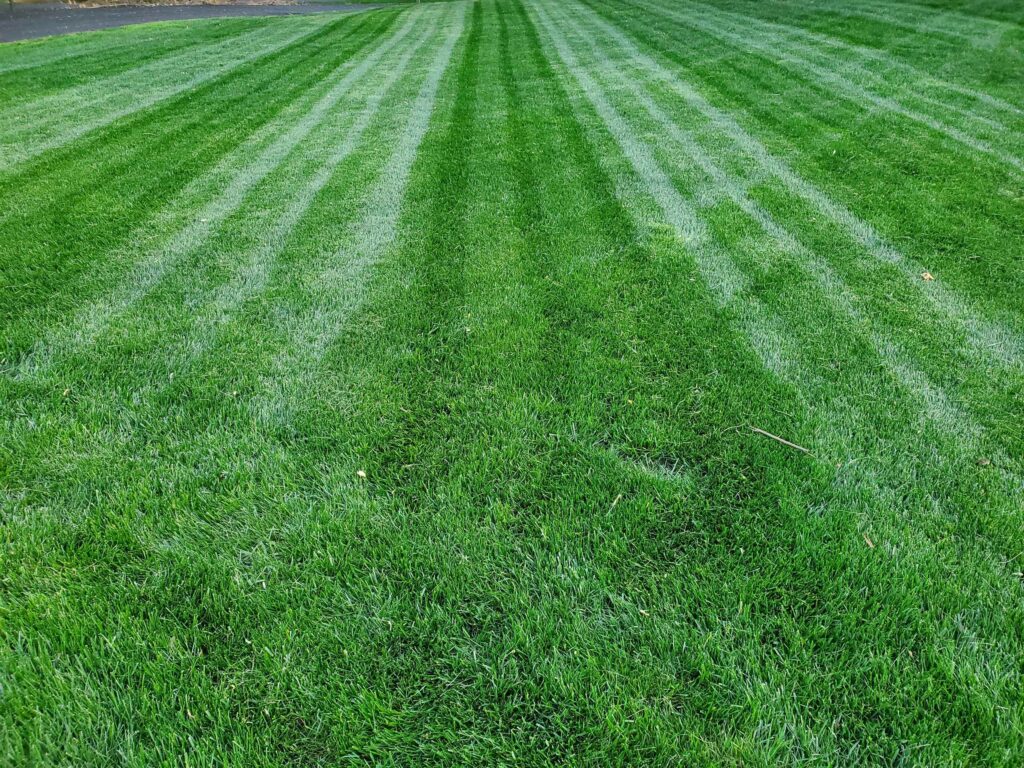
Applying weed and feed in the fall can help prepare your lawn for winter. The fall application targets weeds that have survived the summer and strengthens your lawn’s root system. In places like Vienna and Burke, Virginia, aim to apply weed and feed in early fall when temperatures are cooler but before the first frost.
Late Summer Advantages
Late summer is a great time to start considering your fall application. This period allows you to target weeds that have emerged over the summer, preventing them from establishing a stronghold before winter. Additionally, the nutrients delivered will support your lawn as it begins to transition into dormancy.
Early Fall Timing
Early fall is the prime time for applying weed and feed. Temperatures are cooler, reducing the stress on your lawn from both the product and environmental conditions. This timing also ensures that your lawn receives ample nutrients to strengthen its root system, essential for surviving winter dormancy.
Preparing for Winter Dormancy
Fall applications prepare your lawn for the upcoming winter dormancy. By strengthening the root system, your grass will be more resilient and ready to bounce back in the spring. This preparation is crucial for maintaining a healthy, green lawn year-round, as it sets the stage for robust growth in the following growing season.
How Often Should You Weed and Feed Your Lawn?
The frequency of weed and feed applications depends on several factors, including the type of product used and the specific needs of your lawn. Generally, you can apply weed and feed twice a year: once in the spring and once in the fall. However, always follow the manufacturer’s instructions on the product label, as over-application can harm your lawn.
Assessing Lawn Needs
To determine the appropriate frequency of weed and feed applications, it’s essential to assess your lawn’s specific needs. Factors such as grass type, soil condition, and local climate all play a role in determining how often you should apply these products. Conducting a soil test can provide valuable insights into your lawn’s nutrient requirements.
Product-Specific Recommendations
Different weed and feed products come with varying application guidelines. It’s crucial to adhere to the manufacturer’s recommendations for the specific product you’re using. Over-application can lead to nutrient runoff and damage to your lawn, while under-application may result in inadequate weed control and poor grass health.
Monitoring Lawn Health
Regularly monitoring your lawn’s health can help you adjust your weed and feed schedule as needed. Look for signs of nutrient deficiency, such as yellowing grass, and assess weed growth throughout the year. Adjusting your application frequency based on these observations can help maintain optimal lawn health.
When to Apply Weed and Feed in Virginia
Northern Virginia Specifics
In Northern Virginia, including areas like Fairfax, Annandale, and West Springfield, timing your weed and feed applications is crucial due to the region’s specific climate conditions.
- Spring: Apply weed and feed between late March and early May. This period targets early germinating weeds and supports new grass growth.
- Fall: Aim for late September to early November. This helps to eliminate late-blooming weeds and bolsters your lawn before winter.
Microclimate Considerations
Northern Virginia’s diverse microclimates can affect the timing of your weed and feed applications. Elevation, proximity to water bodies, and urbanization can all influence local temperatures and weather patterns. Tailoring your application schedule to these microclimates ensures that your lawn receives the care it needs at the right time.
Adapting to Weather Variations
Weather variations are common in Northern Virginia, with fluctuating temperatures and precipitation levels. Monitoring local weather forecasts can help you adapt your weed and feed schedule accordingly. Avoid applying products during periods of heavy rain or extreme heat, as these conditions can reduce effectiveness.
Local Expertise
Consulting with local lawn care experts can provide valuable insights into optimal weed and feed timing for your area. Professionals familiar with Northern Virginia’s climate and soil conditions can offer tailored advice to help you achieve the best results. Local garden centers and extension services are excellent resources for region-specific guidance.
Can You Use Weed and Feed in Fall?
Applying weed and feed in the fall is not only possible but recommended. Fall applications help control perennial weeds and prepare the lawn for winter dormancy. The nutrients provided will help your grass return stronger in the spring.
Benefits of Fall Application
Fall applications of weed and feed offer several benefits, including enhanced control of perennial weeds that can survive the summer. By applying the product in the fall, you target these resilient weeds, preventing them from establishing a foothold before winter. Additionally, the nutrients provided support the lawn’s transition into dormancy.
Strengthening Roots
Fall is an excellent time to focus on strengthening your lawn’s root system. The cooler temperatures and increased moisture levels create ideal conditions for root development. A robust root system will help your lawn withstand winter stress and emerge healthy and vibrant in the spring.
Enhancing Spring Recovery
A fall application of weed and feed sets the stage for a strong spring recovery. The nutrients provided during this time support your lawn’s growth when temperatures rise. By focusing on fall applications, you ensure that your lawn is well-prepared to take advantage of the growing season, leading to a lush and healthy appearance.
How to Apply Weed and Feed

Applying weed and feed correctly is essential for its effectiveness. Here are some steps to follow:
- Mow Your Lawn: Cut the grass a few days before application to ensure the product reaches the soil.
- Water Lightly: Water your lawn lightly before application to help the granules stick to the leaves of weeds.
- Apply Evenly: Use a spreader to apply the product evenly across your lawn. Ensure you cover all areas but avoid over-application.
- Avoid Watering After Application: Do not water your lawn for at least 24 hours after applying weed and feed to allow the product to be absorbed effectively.
- Monitor the Weather: Check the weather forecast to ensure no heavy rain is expected shortly after application, which can wash away the product.
Choosing the Right Equipment
Using the right equipment is crucial for the effective application of weed and feed products. A quality spreader ensures even distribution across your lawn, preventing over-application in some areas and under-application in others. Calibration of the spreader is essential to match the product’s recommended application rate.
Preparing Your Lawn
Proper lawn preparation is key to maximizing the effectiveness of weed and feed products. Mowing your lawn to the recommended height and removing debris ensures that the product can reach the soil and weed leaves effectively. A clean and well-prepared lawn surface allows for better product penetration and absorption.
Post-Application Care
Post-application care is vital to ensuring the success of your weed and feed treatment. Avoid mowing your lawn for a few days after application to allow the product to work effectively. Monitor your lawn for signs of stress or damage and adjust your care routine as needed to support its recovery and growth.
Considerations for Different Areas
Oakton and Springfield, Virginia
For residents in Oakton and Springfield, Virginia, consider the following:
- Spring: Apply weed and feed in mid-April for optimal results.
- Fall: Late September is ideal for a fall application.
Fairfax and Lorton, Virginia
In Fairfax and Lorton, Virginia, the timing is slightly different due to microclimates:
- Spring: Aim for early April.
- Fall: Apply in early October to prepare for winter.
Tailoring to Local Conditions
Tailoring your weed and feed schedule to local conditions is crucial for achieving the best results. Understanding the specific climate and soil conditions in your area allows you to adjust your application timing and frequency to match your lawn’s needs. This customization ensures that your lawn receives the care it requires to thrive year-round.
Adapting to Seasonal Changes
Seasonal changes in temperature and precipitation can affect the timing of your weed and feed applications. Being flexible and adapting your schedule to these changes ensures that your lawn receives the nutrients and weed control it needs at the right time. Regularly monitoring weather forecasts and adjusting your plan accordingly is essential for success.
Consulting Local Experts
Consulting with local lawn care experts can provide valuable insights into optimal weed and feed timing for your area. Professionals familiar with the specific conditions in your region can offer tailored advice to help you achieve the best results. Local garden centers and extension services are excellent resources for region-specific guidance.
Conclusion
Maintaining a healthy, weed-free lawn involves strategic timing and proper application of weed and feed products. By understanding the best times to apply weed and feed in your specific region, such as Northern Virginia, and following the recommended practices, you can ensure a lush and inviting lawn throughout the year.
Remember, every lawn is different, so adjust your strategy as needed and consult with local experts, such as Image Works Landscaping, for tailored advice. A little planning goes a long way in achieving the perfect lawn.