

Winter Lawn Care: Best Practices for Success – Image Works Landscaping
As the days grow shorter and temperatures begin to dip, it’s time to start thinking about how to care for your lawn in the fall and prepare it for the coming winter. Proper winter lawn care is crucial to ensure your grass remains healthy and vibrant when spring arrives. A well-prepared lawn not only looks aesthetically pleasing but also contributes to the overall health of your garden ecosystem. In this guide, we’ll explore the best practices for winterizing your lawn, including tips and techniques specific to different regions like Springfield, Virginia, and Ohio. Whether you’re a seasoned gardener or a beginner, these practices will help you maintain a lush and healthy lawn all year round.
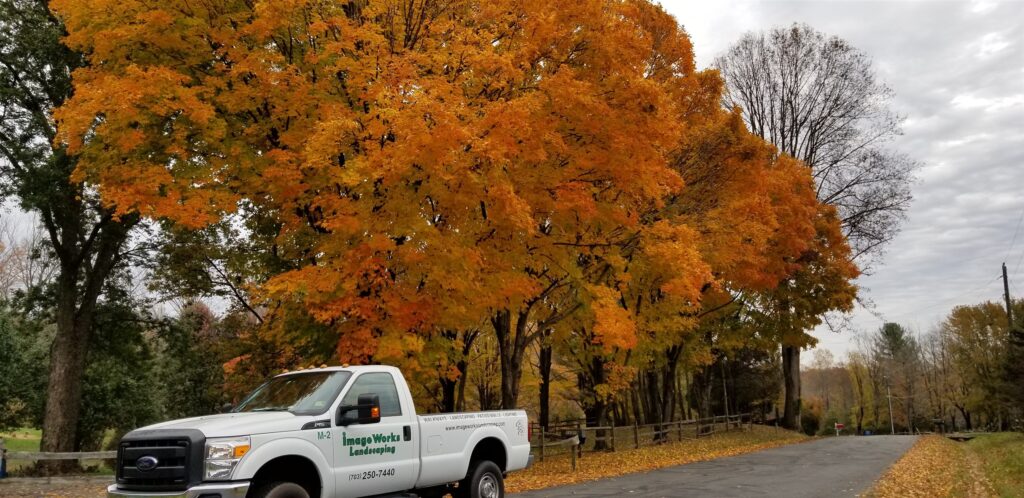
Understanding the Importance of Fall Lawn Care
Fall is a critical time for lawn care. During this season, grass roots grow deeper, and the lawn stores essential nutrients to survive the winter months. Proper care during this period can set the stage for a thriving lawn in the spring. Here’s why fall lawn care is essential:
- Root Development: Fall provides the perfect conditions for grass roots to develop and store energy. The cooler temperatures and increased rainfall create an ideal environment for robust root growth, which is crucial for the lawn’s ability to withstand the stress of winter.
- Nutrient Storage: Fertilization during fall helps grass store nutrients that will be used for growth in spring. By ensuring your grass has access to these stored nutrients, you are setting the stage for a vigorous start to the growing season as soon as the weather warms up.
- Weed Control: Fall is an ideal time to control weeds before they go dormant. By addressing weed issues now, you reduce competition for nutrients and light, allowing your grass to grow without interference.
- Disease Prevention: Proper care reduces the risk of diseases that thrive in cool, damp conditions. Diseases such as snow mold can take hold during winter, but with the right preventative measures, your lawn can remain healthy and disease-free.
How to Prepare Your Lawn for Winter
Step 1: Mow Appropriately
One of the first steps in preparing your lawn for winter is proper mowing. As fall progresses, gradually lower the cutting height of your mower. This practice helps prevent snow mold and makes it easier to rake leaves. However, avoid cutting the grass too short, as this can stress the lawn. A moderate cutting height ensures the grass remains strong enough to withstand the cold while minimizing the risk of fungal diseases that can develop under snow cover.
Step 2: Aerate Your Lawn
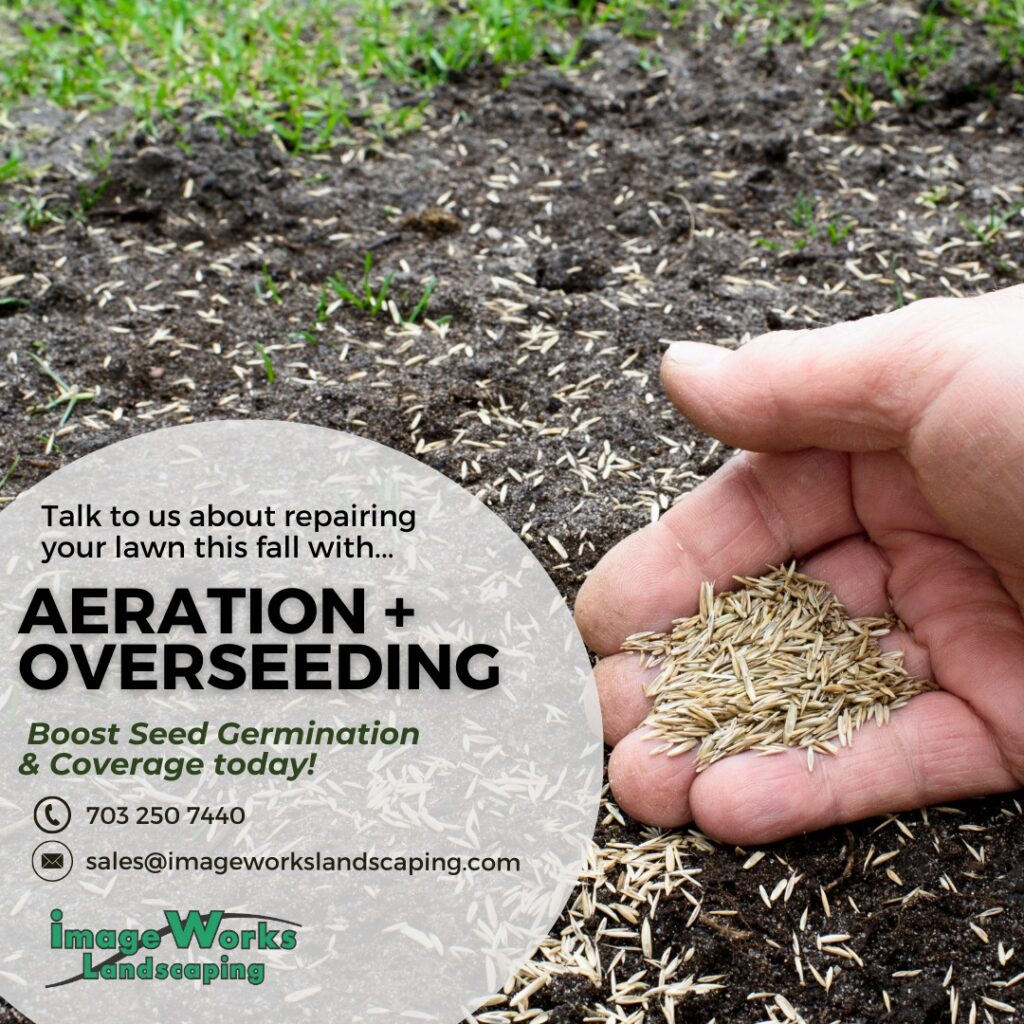
Aeration is a crucial step in fall lawn care. It involves perforating the soil with small holes to allow air, water, and nutrients to penetrate the grass roots. This process promotes root growth and improves soil health. Aerate your lawn before applying any fertilizers or overseeding. By breaking up compacted soil, aeration enhances the lawn’s ability to absorb essential nutrients and moisture, leading to a more resilient lawn.
Step 3: Fertilize with Care
Applying a winter lawn fertilizer is essential to provide the nutrients your grass needs during the colder months. Look for a fertilizer with a higher potassium content, which helps improve the grass’s resistance to cold and disease. The best time to fertilize lawn in Ohio, for instance, is in late fall before the first frost. Proper fertilization not only supports the grass throughout winter but also gives it a head start when the growing season begins.
Step 4: Overseed for a Lush Lawn
Overseeding involves spreading grass seed over an existing lawn to fill in bare spots and improve the lawn’s density. The best time to overseed lawn in Ohio and similar climates is during early fall when the soil is still warm, but the air is cool. This encourages quick germination and growth before winter. A dense lawn is not only more attractive but also more resistant to weeds and pests, contributing to long-term lawn health.
Step 5: Control Weeds and Pests
Fall is an excellent time to tackle weeds and pests. Apply a pre-emergent herbicide to prevent weeds from germinating in the spring. Additionally, keep an eye out for any signs of pest infestations and treat them promptly. Managing pests and weeds now reduces the workload in the spring and ensures your lawn has a healthy start to the growing season.
Regional Considerations for Fall Lawn Care
Springfield, Virginia
In Springfield, Virginia, fall lawn care should focus on adjusting the mowing height and ensuring proper aeration. The region’s climate allows for a longer growing season, so consider applying a winterizer fertilizer in late November. This timing takes advantage of the extended growing period, allowing grass to store more nutrients and energy for winter.
Ohio
Ohio’s cooler climate requires careful timing of lawn care tasks. Aim to complete aeration and overseeding by early October and apply winterizing fertilizer by mid-November. The shorter growing season in Ohio means that precise timing is essential to maximize the benefits of fall lawn care practices.
Vienna and Annandale, Virginia
In areas like Vienna and Annandale, fall lawn care should include regular leaf removal to prevent suffocation of the grass. Additionally, consider applying lime to adjust soil pH for optimal grass growth. Leaf accumulation can lead to fungal growth and other problems, so consistent leaf removal is crucial for lawn health.

Common Questions About Winter Lawn Care
When Should You Winterize Your Lawn?
The timing for winterizing your lawn varies depending on your location. In general, aim to complete winterization tasks before the first hard frost. For regions like Ohio, this typically means finishing by mid-November. Timing is key to ensuring that your lawn is prepared to endure the winter months effectively.
What Should You Put on Your Grass in the Fall?
Apply a winter lawn fertilizer rich in potassium to strengthen the grass for winter. Additionally, consider overseeding to fill in any bare patches and improve lawn density. These practices ensure your lawn is fortified against the challenges of winter and ready to thrive come spring.
How Do You Keep Grass Green in Winter?
Maintaining a green lawn in winter requires proper fall preparation. Ensure your lawn receives adequate nutrients, water, and aeration. Additionally, avoid heavy foot traffic on frozen grass to prevent damage. A well-prepared lawn is more likely to maintain its color and health throughout the winter months.
Should You Mow Before Winter?
Yes, continue mowing your lawn during fall, gradually lowering the cutting height. Ensure the final mow is short enough to prevent snow mold but not so short that it stresses the grass. This balance helps protect the lawn while preparing it for the colder months ahead.
Additional Tips for Preparing Your Yard for Winter
- Rake Leaves Regularly: Accumulated leaves can smother grass and lead to disease. Rake leaves regularly to keep your lawn healthy. Regular leaf removal prevents moisture build-up that can lead to fungal diseases.
- Water Wisely: While fall typically brings more rain, ensure your lawn receives at least one inch of water per week until the ground freezes. Adequate moisture supports ongoing root development and nutrient absorption.
- Protect Against Pests: Monitor for signs of pests and address them promptly to prevent damage. Early intervention can prevent small pest problems from becoming significant issues over winter.
Conclusion
Proper winter lawn care is essential to ensure a healthy, vibrant lawn in the spring. By following these best practices, you can prepare your lawn for winter and enjoy a lush, green landscape when warmer weather returns. Whether you’re in Springfield, Virginia, or Ohio, these tips will help you achieve lawn success. Trust Image Works Landscaping to assist you with all your lawn care needs, ensuring your yard remains beautiful year-round. A well-maintained lawn enhances your home’s curb appeal and provides a pleasant outdoor space for your family to enjoy.