

Essential Tips for September Lawn Care
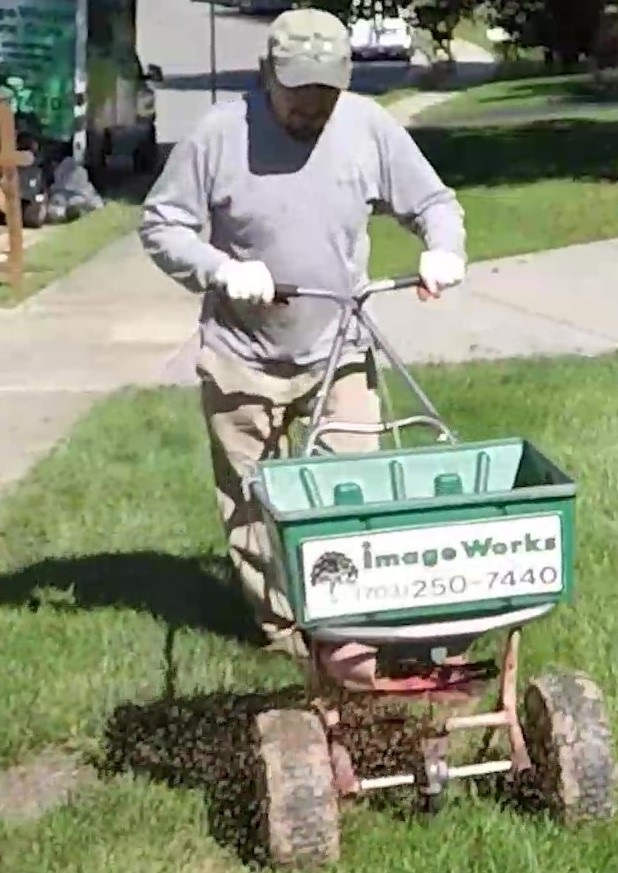
September is a transitional month where the focus shifts from maintaining summer growth to preparing the lawn for fall and winter. The cooler temperatures and increased rainfall create ideal conditions for lawn rejuvenation. This is the time to address any summer damages, strengthen the roots, and set the stage for a lush lawn next spring. Additionally, September’s mild climate allows for more intensive lawn care activities without the stress of extreme heat, making it the perfect time to implement core maintenance tasks.
Understanding the Local Climate
For residents of Oakton, Fairfax, Springfield, and surrounding areas like Burke and Annandale, understanding the local climate is key. Northern Virginia typically experiences mild autumns, which allows for extended lawn care activities. The region’s climate supports cool-season grasses, which thrive in the cooler months of September and October. These grasses, including fescues and bluegrass, benefit from the milder temperatures and increased moisture, making this an optimal time for growth and repair.
The local climate’s mildness also means fewer fluctuations in temperature, providing a stable environment for lawn care interventions. This stability helps in the effective application of fertilizers and other treatments, ensuring they work efficiently to promote healthy lawn growth. By tailoring your lawn care practices to the specific climate conditions of Northern Virginia, you can optimize the health and appearance of your lawn throughout the year.
Core September Lawn Care Tasks
Aeration: Breathing New Life into Your Lawn
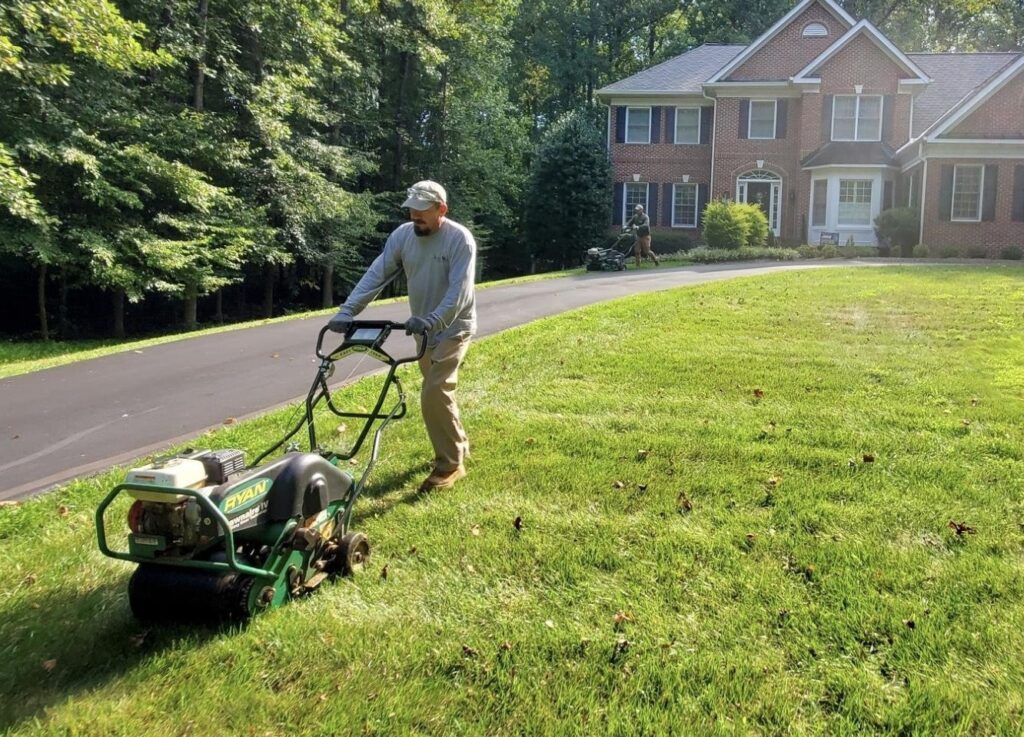
Aeration is the process of perforating the soil to allow air, water, and nutrients to penetrate the grass roots. This helps the roots grow deeply and produce a stronger, more vigorous lawn. In areas like Fairfax Station and Vienna, where soil can become compacted, aeration is particularly important. Compacted soil restricts the flow of essentials like air and water to the roots, which can lead to a weakened lawn that struggles to thrive.
By alleviating soil compaction through aeration, you open up the soil structure, allowing vital nutrients to reach the root system more effectively. This practice not only improves root growth but also enhances the lawn’s ability to withstand environmental stresses, such as drought and heavy foot traffic. Aeration is a critical step in rejuvenating your lawn, and when done correctly, it can transform even the most tired and compacted lawns into vibrant, healthy green spaces.
How to Aerate Your Lawn
- Choose the Right Tool: Options include a spike aerator or a plug aerator. Plug aerators are generally more effective as they remove soil plugs, allowing for better soil penetration and reducing compaction more significantly.
- Timing: Aerate when the soil is moist, not dry or overly wet. This typically means after a rainfall or watering. Moist soil is easier to penetrate, making the aeration process more effective and less labor-intensive.
- Frequency: Most lawns benefit from annual aeration, especially those with clay-heavy soil. In areas with particularly dense soil, consider aerating twice a year to maintain optimal soil health.
Aeration can also help improve the overall resilience of your lawn, preparing it to better withstand the colder months ahead. By incorporating aeration into your regular lawn care routine, you ensure that your grass has the best possible foundation for growth and recovery.
Fertilization: Feeding Your Lawn

After aeration, fertilizing is the next crucial step. Fertilizing in the fall provides essential nutrients that help grass roots grow stronger and deeper. This is crucial for lawns in Lorton and West Springfield, where fall preparation sets the tone for spring growth. The nutrients provided by fall fertilization help the grass store up energy and nutrients, which are critical for surviving the winter months.
Fertilizing in September also encourages robust root growth, which is essential for a healthy lawn. Strong roots anchor the grass, making it more resilient to harsh weather conditions and helping it recover quickly in the spring. By providing your lawn with the nutrients it needs now, you set the stage for a thriving, verdant lawn come springtime.
Fertilization Tips
- Select the Right Fertilizer: Look for a fertilizer with a high phosphorus content to promote root growth. Phosphorus is key to strong root development, which is particularly important as the grass prepares to enter its dormant phase.
- Application: Apply the fertilizer evenly across your lawn. A broadcast spreader can help achieve uniform coverage, ensuring that all areas of your lawn receive the nutrients they need.
- Timing: Early to mid-September is ideal for fertilization, allowing the nutrients to be absorbed before the first frost. This timing ensures that the grass can take full advantage of the nutrient boost before winter sets in.
Proper fertilization not only enhances the current health of your lawn but also provides long-term benefits, contributing to a more robust and vibrant green space year-round. By following these fertilization tips, you ensure that your lawn remains healthy and beautiful, ready to face whatever the seasons bring.
Overseeding: Filling in the Gaps
Overseeding involves planting grass seed directly into existing turf without tearing up the soil. This practice improves the lawn’s density and enhances its color and appearance. It’s particularly useful in areas like Clifton and Fairfax, where lawns may suffer from patchiness. Overseeding helps to fill in bare spots, creating a more uniform and attractive lawn.
By introducing new grass varieties, overseeding can also improve the overall resilience of your lawn. This process allows you to incorporate grasses that are more drought-resistant or disease-tolerant, enhancing the lawn’s ability to withstand environmental stresses. Overseeding in September gives the new grass seeds a chance to establish themselves before winter, ensuring a thicker, healthier lawn in the spring.
Steps for Successful Overseeding
- Preparation: Mow the lawn short and remove any debris. This ensures that the seeds can make good contact with the soil, which is essential for germination.
- Seed Selection: Choose a seed blend that matches your existing grass type. This ensures that the new grass blends seamlessly with the existing lawn for a consistent appearance.
- Seeding: Use a spreader to evenly distribute the seed. Proper distribution is key to avoiding clumps and ensuring even growth across the lawn.
- Watering: Keep the seeds moist with daily watering until they germinate. Consistent moisture is crucial for seed germination, so be vigilant about watering during this time.
Overseeding not only revitalizes your lawn but also provides an opportunity to enhance its aesthetic appeal. By following these steps, you can ensure that your lawn is dense, vibrant, and ready to thrive in the coming seasons.
Lawn Care Tips for September in Northern Virginia
Watering Wisely
Even though September typically brings more rain, monitoring your lawn’s moisture levels is important. Overwatering can lead to fungal diseases, while underwatering stresses the grass. Finding the right balance is key to maintaining a healthy lawn.
Effective watering practices help to support healthy root systems and prevent common lawn issues. By understanding the specific moisture needs of your lawn, you can adjust your watering schedule to provide the right amount of hydration without encouraging disease or stress.
Watering Guidelines
- Frequency: Water deeply and infrequently, about once a week. This encourages roots to grow deeper, making your lawn more drought-resistant.
- Timing: Early morning is the best time to water, reducing evaporation and fungal growth. Watering in the morning allows the grass to dry out during the day, minimizing the risk of disease.
By adhering to these watering guidelines, you can ensure that your lawn receives the hydration it needs to remain healthy and vibrant. Proper watering techniques are an essential component of effective lawn care, contributing to the overall resilience and beauty of your outdoor space.
Pest and Weed Control
With the cooler weather, pests and weeds may start to diminish, but it’s important to remain vigilant. Regularly inspect your lawn and take action if you notice any signs of pests or persistent weeds. Early intervention can prevent minor issues from becoming major problems.
Effective pest and weed control helps to maintain the health and appearance of your lawn. By staying proactive and addressing issues as they arise, you can protect your lawn from damage and ensure it remains a source of pride and enjoyment.
Control Measures
- Weed Control: Apply a pre-emergent herbicide to prevent weed seeds from germinating. This proactive approach stops weeds before they can take root and compete with your grass for resources.
- Pest Management: Use appropriate pest control methods if you notice insects damaging your lawn. This might include natural remedies or commercial pest control products, depending on the severity of the issue.
By implementing these control measures, you can effectively manage pests and weeds, preserving the health and beauty of your lawn. Regular monitoring and maintenance are key to preventing and addressing issues, ensuring your lawn remains vibrant and lush.
Preparing for Autumn and Winter
As September transitions into October, it’s time to start thinking about preparing your lawn for the colder months. This includes cleaning up leaves, adjusting your mowing height, and winterizing your lawn care equipment. Taking these steps now can prevent issues later and ensure your lawn is ready to bounce back in spring.
Proper preparation for autumn and winter helps to protect your lawn from the challenges of colder weather. By taking proactive measures, you can safeguard the health of your lawn, ensuring it remains strong and resilient even as temperatures drop.
Leaf Management
Regularly remove fallen leaves to prevent them from smothering the grass and creating a breeding ground for pests and diseases. Use a mulching mower to chop leaves into fine pieces that can decompose and nourish the soil. This approach not only keeps your lawn clean but also provides natural fertilization.
Effective leaf management is crucial for maintaining a healthy lawn throughout the fall and winter months. By keeping your lawn free of debris, you prevent potential issues and support the overall health of your grass.
Adjusting Mowing Height
Gradually lower your mowing height as fall progresses. This encourages root growth and helps prevent winter diseases. In areas like Burke and Annandale, where winter can be harsh, maintaining the right grass length is crucial for lawn health.
Proper mowing practices help to prepare your lawn for winter, ensuring it remains healthy and resilient. By adjusting your mowing height, you can support strong root development and reduce the risk of disease, contributing to the long-term health of your lawn.
Winterizing Equipment
As lawn care tasks wind down, take the time to clean and maintain your equipment. Sharpen mower blades, drain fuel from power tools, and store them properly to ensure they’re ready for spring. Proper equipment maintenance is essential for effective lawn care.
Winterizing your equipment not only extends its lifespan but also ensures that you’re ready to hit the ground running when spring arrives. By taking care of your tools now, you set yourself up for success in the coming lawn care season.
Partnering with Professionals
If you’re short on time or prefer to leave the work to experts, consider partnering with a local landscaping service like Image Works Landscaping. Professionals can offer customized services tailored to the specific needs of your lawn, ensuring optimal results. Whether you need help with aeration, fertilization, or pest control, professional services can provide the expertise and resources necessary to maintain a healthy lawn.
Collaborating with professionals allows you to benefit from their knowledge and experience, ensuring your lawn receives the best possible care. This partnership can be particularly beneficial if you’re dealing with complex issues or simply want the peace of mind that comes with expert attention.
Conclusion
September is a month of opportunity for lawn care enthusiasts in Northern Virginia. By focusing on core tasks like aeration, fertilization, and overseeding, you can ensure a healthy, vibrant lawn that stands up to the challenges of autumn and winter. Whether you tackle these tasks yourself or rely on professionals, investing in your lawn now will pay dividends in the seasons to come. Here’s to a lush, green future!
Taking the time to care for your lawn in September sets the stage for success throughout the year. By implementing these strategies and tips, you can enjoy a beautiful, thriving lawn that enhances your outdoor space and provides a welcoming environment for family and friends. Embrace the opportunity that September offers, and watch your lawn flourish.