

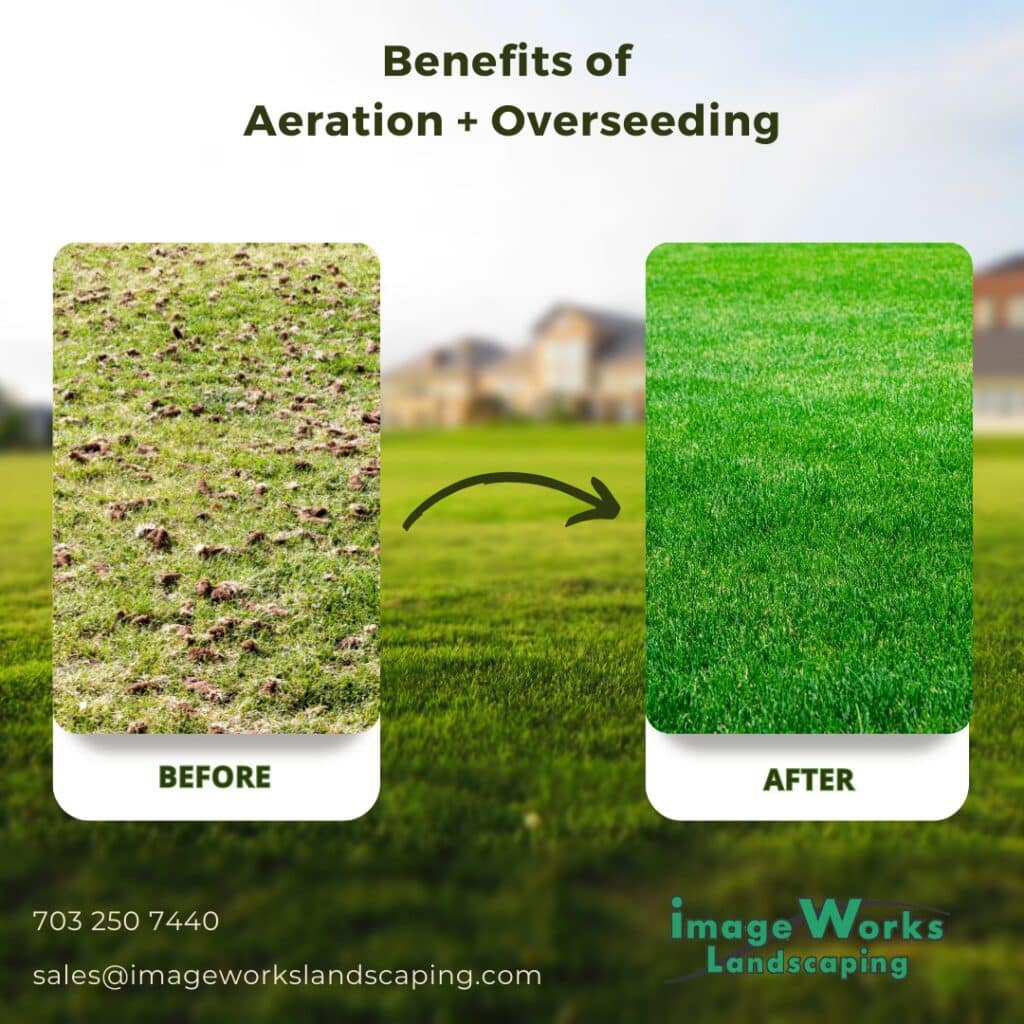

As the crisp air of autumn arrives, it’s an ideal time to give your lawn some much-needed care. Fall is the perfect season for aeration and overseeding to ensure your turf remains healthy and lush. Whether you’re in Oakton, Springfield, or any other part of Northern Virginia, understanding the benefits of these lawn care practices can transform your landscape. The cooler temperatures and increased moisture levels provide the perfect backdrop for rejuvenating your lawn, laying the groundwork for a thriving spring.
Investing time in lawn care during the fall can lead to a host of benefits. Not only does it enhance the aesthetic appeal of your property, but it also strengthens the lawn’s health and resilience against seasonal challenges. By focusing on aeration and overseeding now, you set the stage for a robust and vibrant lawn that can withstand the stresses of weather and wear. This proactive approach not only saves time and effort in the long run but also ensures that your outdoor space remains a source of pride and enjoyment.
Understanding Aeration and Overseeding
What is Lawn Aeration?
Lawn aeration involves perforating the soil with small holes to allow air, water, and nutrients to penetrate the grass roots. This process helps the roots grow deeply and produce a stronger, more vigorous lawn. Aeration alleviates soil compaction, which can hinder the flow of these essential elements. Over time, soil can become compacted due to foot traffic, lawn equipment, and natural settling, making it difficult for roots to access the resources they need.
By regularly aerating your lawn, you ensure that the soil remains loose and receptive to nutrients. This improved soil structure facilitates healthy root growth, allowing grass to establish itself more firmly and resist environmental stresses. Moreover, aeration helps break down thatch, a layer of dead organic matter that can suffocate the grass if left unchecked. Through this vital process, your lawn becomes more resilient and better equipped to absorb water and nutrients.
What is Overseeding?
Overseeding is the process of spreading grass seed over an existing lawn. This technique helps fill in bare patches and improves the density of the turf. Overseeding, when combined with aeration, enhances the overall appearance and health of your lawn. The introduction of new grass seeds can revitalize tired, worn-out lawns, giving them a fresh, lush look.
The practice of overseeding also introduces improved grass varieties that might be more resistant to diseases, pests, and drought. These new seeds can bring diversity to your lawn, making it more adaptable to changing weather conditions. Additionally, overseeding can help create a uniform look and feel, eliminating patchy areas and ensuring a consistent carpet of green. As these new seedlings mature, they work in tandem with existing grass to create a robust and visually appealing lawn.
Why Fall is the Best Time for Aeration and Overseeding
Optimal Growing Conditions
Fall provides the ideal conditions for aeration and overseeding. The cooler temperatures and ample rainfall create an environment where grass seeds can germinate without the stress of summer heat. The combination of warm soil and cool air supports robust root development. This season offers a natural protection against the intense sun, giving seeds the chance to establish themselves without the risk of drying out.
Moreover, fall’s consistent weather patterns minimize the risk of sudden temperature spikes, which can be detrimental to new growth. The season’s moderate climate ensures that grass seeds have the time they need to germinate and develop into healthy plants. This stability is crucial for the initial stages of growth, allowing roots to penetrate deeper into the soil and establish a strong foundation for the lawn.
Repair Summer Damage
The summer months can be tough on lawns, with high temperatures and heavy foot traffic often leading to compacted soil and thin grass. Aeration and overseeding in the fall help repair this damage, giving your lawn a fresh start for the following year. As the grass recovers from summer stress, it becomes more resilient to future challenges.
By addressing summer damage in the fall, you capitalize on the ideal growing conditions to restore your lawn’s health. The combination of aeration and overseeding works to fill in any bare spots and thicken the grass, making it more robust. This process not only enhances the lawn’s appearance but also strengthens its overall health, ensuring it can withstand the rigors of the coming seasons.
Benefits of Fall Aeration and Overseeding
Enhanced Nutrient Absorption
Aeration allows your lawn to breathe better. By relieving soil compaction, roots have easier access to oxygen, water, and nutrients, vital for grass growth and health. This process improves the effectiveness of fertilization, maximizing the nutrients available to your lawn. As a result, the grass becomes more vibrant and capable of sustained growth.
When nutrients reach the roots more efficiently, the lawn can recover from stress faster and maintain a healthy appearance. Enhanced nutrient absorption also contributes to the lawn’s ability to fend off diseases and pests, creating a natural defense mechanism. This improved health translates into a more attractive lawn that can endure the challenges of different weather conditions and usage levels.
Improved Turf Health and Resilience
Overseeding introduces new grass varieties that enhance the resilience of your lawn. These new seedlings can improve disease resistance and tolerance to drought and other stresses. The result is a thicker, healthier lawn that stands up better against weeds and pests. The diversity of grass species adds a layer of protection, as some varieties may thrive better under certain conditions than others.
A resilient lawn is not only more aesthetically pleasing but also requires less maintenance over time. By investing in overseeding, you reduce the likelihood of having to deal with bare spots and weed invasions. This proactive approach ensures that your lawn remains lush and green, providing a welcoming outdoor space for relaxation and recreation.
Better Water Efficiency
Aerated soil enhances water uptake, reducing runoff and puddling. This means your lawn requires less watering, conserving water and saving you money. Overseeding ensures a denser lawn that retains moisture more effectively, further enhancing water efficiency. As the grass becomes more efficient at using available water, it reduces the overall demand for additional irrigation.
Improved water efficiency is not only beneficial for your wallet but also for the environment. By reducing water usage, you contribute to water conservation efforts and promote sustainable lawn care practices. A well-managed lawn that uses water efficiently is more likely to thrive in various weather conditions, maintaining its beauty and health year-round.
Overseeding Tips and Techniques
Choosing the Right Seed
It’s crucial to select the appropriate grass seed for your area. In Northern Virginia, cool-season grasses like Kentucky bluegrass, perennial ryegrass, and tall fescue are excellent choices. These varieties thrive in the fall climate and ensure a lush lawn come spring. Choosing the right seed ensures that your lawn is well-suited to the local climate and soil conditions.
Consider consulting with local lawn care experts or extension services to determine the best seed mix for your specific area. They can provide insights into which grass types are most resilient against local pests and diseases. By selecting the right seed, you set the stage for a healthy, vibrant lawn that requires minimal intervention.
Proper Soil Preparation
Before overseeding, ensure your lawn is adequately aerated. Remove any debris and mow the grass to a low height. This preparation allows seeds to make direct contact with the soil, essential for successful germination. Proper soil preparation is a critical step in the overseeding process, as it influences the overall success of seed establishment.
In addition to aeration, consider testing your soil’s pH and nutrient levels to determine if any amendments are needed. Adjusting the soil conditions to suit the grass seed can significantly enhance the success rate of germination. This attention to detail ensures that your lawn has the best possible start, increasing the chances of achieving a lush, green landscape.
Seed Application and Maintenance
Spread the seed evenly across your lawn using a broadcast spreader. Follow this with a light raking to ensure good seed-to-soil contact. Water your lawn lightly but frequently to keep the soil moist until the seeds germinate. Once the grass reaches about two inches, reduce watering to encourage deep root growth. Consistent maintenance is key to successful overseeding.
Avoid mowing the lawn too soon after overseeding; give the young grass time to establish. When you do mow, ensure your mower blades are sharp to avoid damaging the new growth. By following these maintenance practices, you provide the best conditions for your overseeded lawn to thrive and establish itself as a resilient, lush carpet of green.
Regional Focus: Aeration and Overseeding in Northern Virginia
Why Northern Virginia?
Northern Virginia, including areas like Fairfax, Vienna, and Annandale, experiences a climate that makes fall an ideal time for lawn care. The region’s cooler autumn temperatures and consistent rainfall provide perfect conditions for aeration and overseeding. These natural advantages allow homeowners to maximize the benefits of these practices, ensuring a lush lawn that stands up to local environmental challenges.
The unique climate of Northern Virginia supports the growth of cool-season grasses, which thrive during the fall season. This advantage enables residents to achieve impressive results with their lawn care efforts, enhancing their properties’ curb appeal. By timing aeration and overseeding to align with the region’s climate, homeowners can ensure their lawns are prepared for the year ahead.
Local Expertise and Services
In places like Burke, Lorton, and Clifton, local landscaping companies such as Image Works Landscaping offer tailored aeration and overseeding services. These experts understand the unique challenges of Virginia lawns and provide solutions that ensure optimal results. Partnering with local professionals can save time and effort, as they bring specialized knowledge and equipment to the task.
Local experts are familiar with the specific needs and challenges of Northern Virginia’s lawns, offering customized solutions that address common issues. They can recommend the best seed varieties, soil amendments, and maintenance practices to ensure your lawn remains healthy and vibrant. By leveraging their expertise, you can achieve a beautiful, sustainable lawn that enhances your property’s value and enjoyment.
Conclusion
Fall aeration and overseeding are crucial for maintaining a healthy, vibrant lawn. By taking advantage of the season’s optimal growing conditions, you can repair summer damage and prepare your turf for the coming year. With the right techniques and local expertise, homeowners in Northern Virginia can enjoy a lush, resilient lawn that enhances their property’s beauty and value.
Whether you’re in Fairfax Station or West Springfield, embracing fall lawn care ensures your grass remains green and inviting. So, don’t wait—invest in your lawn’s health this fall with aeration and overseeding for a flourishing landscape year-round. By prioritizing these essential lawn care practices, you not only improve your outdoor space but also contribute to the overall health of your local environment. With each season, your lawn will continue to thrive, providing a welcoming and beautiful backdrop for all your outdoor activities.