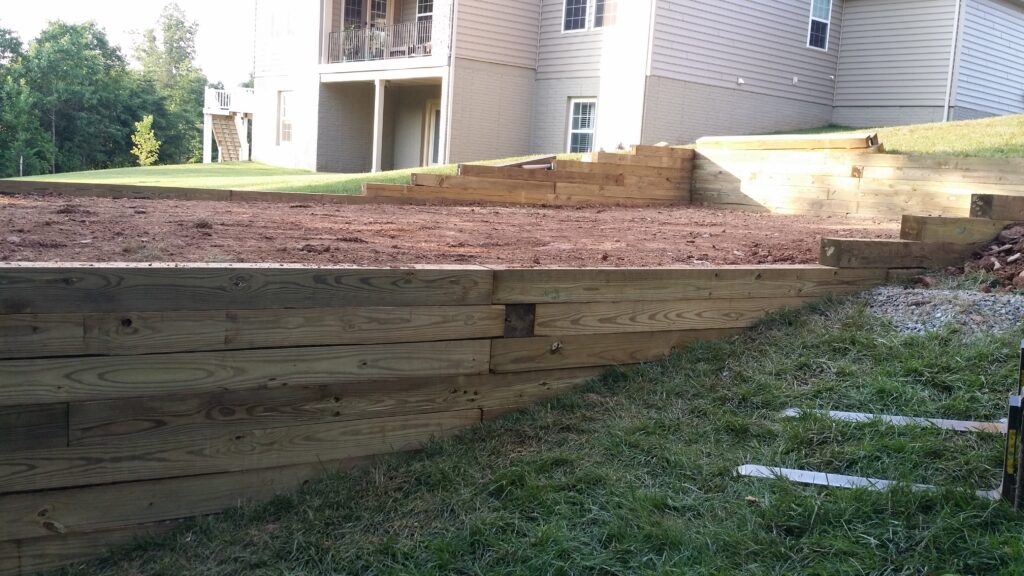
Retaining walls serve both functional and aesthetic purposes in landscaping. They prevent soil erosion, manage water drainage, and can transform a mundane garden into a stunning focal point. Whether you are in Oakton, Virginia, or Springfield, Virginia, finding the right retaining wall blocks can dramatically enhance your outdoor space. In this article, we’ll explore innovative ideas for retaining wall blocks and guide you through the various types, colors, and where to find them.
Retaining walls are constructed using various materials, each offering distinct benefits. From concrete retaining wall blocks to natural stone, selecting the right material is crucial for both durability and appearance.
- Concrete Retaining Wall Blocks: These are robust and versatile, perfect for both residential and commercial landscapes. They are available in a variety of colors and textures, including the popular gray retaining wall block. Concrete blocks are known for their strength and durability, which makes them a reliable choice for long-term applications. Additionally, their uniformity allows for easy installation and alignment, making them a favorite among DIY enthusiasts. They can also be customized with different finishes, such as smooth or split-face, to suit various design preferences.
- Natural Stone Retaining Wall Blocks: For those who appreciate a more organic look, natural stone offers a rustic charm. Sandstone retaining walls are a favorite for their warm, earthy tones. The uniqueness of each stone piece adds character and individuality to the wall, creating a one-of-a-kind structure. Natural stones also blend seamlessly with the surrounding landscape, providing a harmonious transition between built and natural environments. Despite the higher cost, the timeless beauty and durability of natural stone make it a worthwhile investment.
- Decorative Concrete Block Retaining Wall: These provide a stylish alternative, combining functionality with decorative appeal. Ideal for those looking to create a statement with their retaining wall. Decorative blocks come in various patterns and shapes, allowing for creativity in design. They can mimic the appearance of natural stone, brick, or even wood, offering flexibility in aesthetic choices. Additionally, decorative blocks can be used to incorporate intricate designs and motifs, elevating the overall look of the landscape.
Retaining wall block sizes vary widely, accommodating everything from small garden walls to large structural barriers. The Belgian wall block is one example of a style that adds a touch of elegance to any landscape. Sizing plays a crucial role in determining the functionality and appearance of the wall. Larger blocks are suitable for high walls or areas requiring additional support, while smaller blocks work well for decorative purposes or low garden barriers. Style variations, such as tumbled or smooth finishes, add another layer of customization, ensuring the wall aligns with the overall landscape design. Additionally, the choice of size and style can influence the installation process, as certain designs may require specialized techniques or tools.
 Innovative Design Ideas
Stacked Retaining Wall
A stacked retaining wall is a classic choice, offering a clean, linear appearance. This method involves stacking blocks without mortar, allowing for flexibility and ease of installation. It’s perfect for gardens in Fairfax Station, Virginia, where the terrain might require adaptable solutions. The absence of mortar provides the wall with a degree of flexibility, enabling it to adjust to minor shifts in the ground without cracking. This characteristic is particularly beneficial in areas prone to slight ground movements or freeze-thaw cycles. Stacked retaining walls also allow for drainage between the blocks, preventing water build-up and reducing pressure on the structure.
Mixing Materials
Combining different materials can create a unique look. For instance, pairing concrete retaining blocks with natural stone can introduce texture and contrast, enhancing the visual appeal of your landscape. This approach allows homeowners to highlight specific areas of their garden, creating focal points that draw the eye. Mixing materials can also improve the functional aspects of the wall, as different materials may offer varying levels of permeability, strength, or insulation. The use of complementary colors and textures can further accentuate the design, adding depth and richness to the overall aesthetic.
Incorporating Colors
Color choice can significantly impact the overall aesthetic of your retaining wall. While the gray retaining wall block remains popular for its neutrality, experimenting with other colors can make your wall stand out. Black retaining wall blocks, for example, offer a modern, sleek appearance, while sandstone blocks provide a more traditional look. Incorporating color into retaining walls allows for creative expression and can be used to complement or contrast with the surrounding landscape features. Bold colors can serve as accent pieces, drawing attention to specific areas of the garden, while more subdued tones provide a seamless blend with natural elements. The choice of color can also influence the perceived size and scale of the wall, with lighter hues making structures appear larger and darker tones providing a more grounded, compact feel.
Practical Applications
Hardscape Landscaping for Patios and Walkways
Retaining walls are not limited to garden beds. They can be integrated into hardscape landscaping for patios and walkways, adding structure and definition. In areas like Vienna, Virginia, using landscape wall blocks can help create a seamless transition between different outdoor spaces. Retaining walls in hardscape designs can serve multiple purposes, from providing seating areas to acting as borders for garden beds or water features. They can also be used to create raised planters or to delineate different functional zones within a landscape, such as dining or lounging areas. The versatility of retaining walls in hardscape applications makes them an invaluable tool for landscape designers looking to maximize the use of space.
Terracing for Sloped Yards
If your property has a slope, terracing with retaining walls can maximize usable space. This is particularly beneficial in hilly areas like Burke, Virginia, where managing elevation changes can be challenging. Terracing involves creating a series of stepped levels on a slope, each supported by a retaining wall. This not only increases the amount of flat, usable space but also reduces erosion and improves water management. Terraced gardens can be planted with a variety of vegetation, adding layers of color and texture to the landscape. Additionally, terracing can enhance the accessibility of a garden, allowing for easier movement and maintenance.
Creating Outdoor Living Spaces
Retaining walls can also be used to define outdoor living areas. By constructing walls around patios or seating areas, you can create a sense of enclosure and intimacy. This is ideal for homeowners in Clifton, Virginia, looking to enhance their outdoor entertainment spaces. Enclosed spaces offer privacy and protection from wind, making them comfortable and inviting. Retaining walls can also be equipped with built-in seating, lighting, or planters, adding functionality and ambiance. These features transform outdoor areas into extensions of the home, suitable for hosting gatherings or enjoying quiet moments in nature.
 Buying Retaining Wall Blocks
Where to Buy Retaining Wall Blocks
In West Springfield, Virginia, and surrounding areas, there are numerous places where you can purchase retaining wall blocks. Local hardware stores, garden centers, and specialized suppliers offer a wide range of options. Additionally, for those in Annandale, Virginia, or Lorton, Virginia, online platforms can provide convenient access to a broader selection. Exploring multiple purchasing avenues can help identify the best deals and the widest variety of products. It’s advisable to visit stores in person to see the materials firsthand, as this can provide a better sense of color, texture, and quality. Online platforms often offer customer reviews and ratings, which can be useful in gauging product performance and satisfaction.
Retaining Wall Blocks Price
The cost of retaining wall blocks varies depending on the material and size. Concrete wall blocks are generally more affordable, making them a popular choice for budget-conscious projects. For those interested in premium options, natural stone retaining wall blocks offer a higher-end alternative. Understanding the cost breakdown can aid in budgeting and project planning. Bulk purchases or off-season sales may provide opportunities for cost savings. It’s important to balance cost with quality, ensuring that the selected blocks meet the functional and aesthetic requirements of the project.
Choosing the Right Supplier
Selecting the right supplier is crucial for ensuring quality and cost-effectiveness. Look for suppliers with a good reputation, a wide range of products, and competitive pricing. In Fairfax, Virginia, and Springfield, Virginia, many contractors offer both supply and installation services, providing a comprehensive solution for your landscaping needs. A reputable supplier will offer expert advice and guidance, helping you select the best materials for your project. They may also provide delivery services, reducing the logistical challenges associated with large purchases. Establishing a relationship with a trusted supplier can facilitate future projects and ensure consistency in quality and service.
Hiring a Professional
For complex projects or large-scale installations, hiring a retaining wall contractor can save time and ensure the job is done correctly. Professional contractors have the expertise to handle everything from site preparation to wall construction, ensuring your retaining wall is both functional and beautiful.
Working with Local Experts
In areas like Oakton, Virginia, and Fairfax Station, Virginia, local contractors are familiar with the terrain and weather conditions, allowing them to recommend the best materials and designs for your specific needs. They can also assist with hardscape landscaping for walkways, patios, and other outdoor features, providing a holistic approach to landscape design. Local experts have the advantage of understanding regional challenges, such as soil composition or climate variations, which can impact the longevity and stability of retaining walls. Collaborating with professionals can streamline the construction process, from initial planning and design to final implementation, ensuring a smooth and successful project.
Conclusion
Retaining walls are a versatile addition to any landscape, offering both practical and aesthetic benefits. By exploring different materials, designs, and colors, you can create a retaining wall that complements your home and enhances your outdoor space. Whether you’re tackling a DIY project or hiring a professional, understanding your options will help you make informed decisions and achieve the perfect look for your property.
For those in Fairfax, Virginia, and surrounding areas, this guide provides a comprehensive overview of innovative ideas for retaining wall blocks, helping you transform your landscape into a functional and beautiful outdoor retreat.